Companion Plants
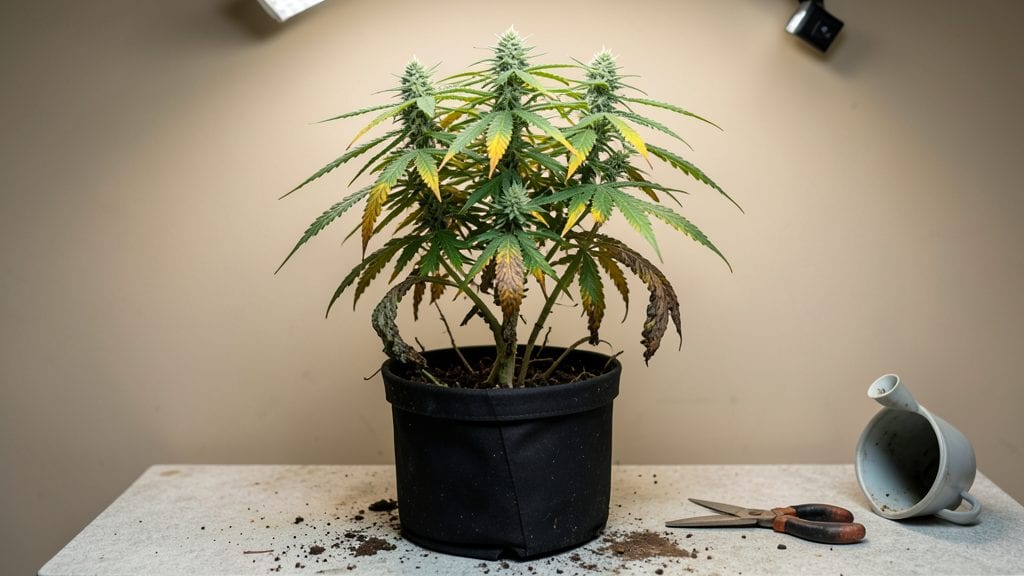
Those sick weed plants of yours might still be salvageable—here’s how I nursed my last dying crop back to life with simple, science-backed fixes. 🌱 The first step? Pinpointing the exact problem: nutrient burn, root rot, or something else entirely. rot, or just plain thirst?
I’ll show you how to spot the difference with just a quick leaf inspection.
Most "sick" plants recover faster than you think if you fix the basics first. Start with fresh air circulation (a small fan helps), adjust your watering schedule (damp soil, not soggy), and check your pH—cannabis hates extremes.
My plants bounced back in under a week once I stopped drowning their roots and swapped out the old, nutrient-clogged water.
You’ll see new growth within days if the roots are still alive. Prune dead leaves aggressively to redirect energy, and consider a foliar spray of neem oil for fungal issues.
The key is acting fast—what looks hopeless can turn around with the right care. Trust me, I’ve nursed back plants that were practically compost.
This works for any grow space, from closet setups to outdoor gardens. The same principles apply whether you’re dealing with wilting seedlings or stressed mature plants. Let’s get those buds back on track—starting with the simplest fixes that make the biggest difference.
📚 In This Guide
- What you need
- Instructions
- Tips and common mistakes
- Wrapping up and next steps
What you need
- ● pH Test Kit – Digital or liquid (e.g., Bluelab pH Pen or API pH strips) to check water/nutrient pH (6.0–7.0 for soil, 5.5–6.5 for hydro).
- ● Nutrient Solution – Organic (e.g., Fox Farm Trio) or synthetic (e.g., General Hydroponics Flora Series), diluted per label instructions.
- ● Hydrogen Peroxide (3%) – 1 tsp per gallon of water for root health and pest/fungal treatment.
- ● Neem Oil (100% Cold-Pressed) – 1 tsp per quart of water + dish soap (1 tsp) for pest control (mite/spider infestations).
- ● Beneficial Microbes – Mycorrhizal fungi (e.g., Great White) or bacillus subtilis (e.g., Botryzom) for soil revitalization.
- ● Spray Bottle (16oz) – For targeted treatments (e.g., neem oil, hydrogen peroxide).
- ● Pruning Shears – Sterilized (rubbing alcohol wipe) to remove dead/diseased leaves.
- ○ Grow Lights (Optional but Helpful) – LED or CFL (e.g., Spider Farmer SF-1000) for low-stress training (LST) or recovery lighting.
- ● Thermometer/Hygrometer – To monitor temperature (68–78°F) and humidity (40–60% for veg, 50–70% for flower).
- ● Container or Tray – For root soak (e.g., 5-gallon bucket) or hydroponic recovery.
- ● Calcium Nitrate or Epsom Salt – For deficiency fixes (e.g., 1 tsp per gallon for magnesium/calcium).
- ● Silica Supplement (e.g., BioSil) – Strengthens cell walls (1 tsp per gallon).
- ● Compost Tea – Homemade or store-bought (e.g., Fox Farm Ocean Forest) for microbial boost.
- ● Reflective Mylar Sheets – To maximize light in recovery setups.
- ● Fan (Oscillating) – For air circulation (4–6 hours/day) to prevent mold.
- ● Journal/Notebook – To track symptoms, treatments, and progress.
How to revive wilted cannabis plants naturally
Here’s how I nurse struggling plants back to health without harsh chemicals.
💧 Step 1: Check for Root Stress and Adjust Watering
Before doing anything else, dig around the base of the plant to inspect the roots. Healthy roots should be white or light tan, while black, mushy roots signal rot. If the soil feels soggy or smells foul, overwatering is the culprit. Let the soil dry out completely—stick your finger in 2 inches deep—before watering again.
I like to use the "squeeze test": Grab a handful of moist soil. If water drips out, it’s too wet. If it crumbles easily, it’s ready. Cannabis roots need oxygen, so soggy soil suffocates them. Water deeply but only when the top 1-2 inches feel dry.
☀️ Step 2: Assess Light Exposure and Adjust Immediately
Leggy stems with pale leaves mean too little light, while crispy edges or sunburned spots mean too much. Move your plants to a spot with 12-16 hours of indirect light daily. South-facing windows work, but if leaves stretch toward the light, you’re still underlighting. A grow light 12-18 inches away fixes this fast.
Watch for wilting during hot afternoons—cannabis hates heat stress. If leaves droop in the sun, provide afternoon shade or increase airflow with a small fan on low. You’ll see leaves perk up within 24-48 hours of proper light.
🪴 Step 3: Flush the Soil and Feed Lightly
Over-fertilized plants show yellowing leaves with brown tips. Flush the soil by watering until water runs out the bottom for 3-5 minutes. Repeat twice a week until the runoff is clear. This removes excess salts and chemicals that burn roots.
After flushing, feed with a half-strength organic nutrient mix (like fish emulsion or worm castings). Too much fertilizer shocks weak plants. I wait until new growth appears before resuming normal feeding. Weak stems can’t support heavy buds, so patience here pays off.
✂️ Step 4: Prune Damaged Foliage and Boost Airflow
Snip off yellow, brown, or moldy leaves with clean scissors. Removing dead growth reduces stress on the plant and prevents pests. I also prune any stems that look mushy or hollow—these won’t recover. Leave healthy leaves intact; they photosynthesize to fuel revival.
Improve airflow by spacing plants 12-18 inches apart and using a small fan on low. Stagnant air traps humidity, inviting mold and bacteria. You’ll notice leaves staying crisp and upright as circulation improves.
🌿 Step 5: Monitor Progress and Adjust Care
Track improvements daily. New growth at the stem base means recovery is working. If wilting persists after a week, check for pests (like spider mites) or root rot. Healthy plants should bounce back within 7-14 days of proper care.
Real talk: Some plants won’t make it, but most just need a reset. I’ve revived plants that looked hopeless with these steps. Keep a journal of adjustments—what worked, what didn’t—and tweak as needed. Patience is key; cannabis is resilient when given the right conditions.
Tips & tricks for reviving wilted cannabis plants
Here's what nobody tells you about bringing your cannabis plants back from the brink—these tricks have saved my own struggling plants more times than I can count.
Root Inspection is Non-Negotiable: When checking roots in Step 1, focus on the smell as much as the color. Healthy roots should have a mild, earthy aroma—anything sour or rotten means immediate action is needed. I've seen growers ignore this and lose entire plants to silent root rot. If you find rot, trim away the affected areas with sterilized scissors, then repot with fresh soil. This aggressive approach works better than hoping the plant recovers on its own.
Light Adjustments Take Time: The 12-16 hours of light in Step 2 is your sweet spot, but don't rush it. I've seen growers double the light hours thinking more is better—it just burns the leaves. Instead, start with 12 hours and gradually increase by 1 hour every 3 days until you hit 16. Watch for leaf color changes as your guide. Morning light is gentler, so position your grow lights or south-facing window to provide morning sun exposure first.
Flushing is Your Reset Button: Those 3-5 minutes of flushing in Step 3 might seem excessive, but they're crucial. I've found that most growers stop after 1-2 minutes, leaving behind enough salts to keep roots stressed. Use room-temperature water for flushing—cold water can shock the roots further. You'll know you've flushed enough when the runoff looks like plain water, not milky or cloudy. This step alone can turn a struggling plant around in just a few days.
Pruning is an Art, Not a Science: When pruning damaged foliage in Step 4, don't just cut off the obvious dead leaves. Look for leaves that are yellowing at the edges but still mostly green—these are energy drains. I've seen growers hesitate to prune because they think it removes too much leaf surface, but actually, keeping just the healthiest leaves forces the plant to focus its energy where it counts. Always use clean, sharp scissors to avoid tearing the stems, which can introduce infections.
Pro Tips for Sick Weed Plants
- Here's what nobody tells you about bringing your cannabis plants back from the brink—these tricks have saved my own struggling plants more times than I can count.
- Root Inspection is Non-Negotiable: When checking roots in Step 1, focus on the smell as much as the color.
- Light Adjustments Take Time: The 12-16 hours of light in Step 2 is your sweet spot, but don't rush it.
Frequently asked questions
Got questions about reviving your struggling cannabis plants?
You’re not alone—even experienced growers hit snags. Here are answers to the most common concerns about sick weed plants, from quick fixes to long-term care.
Why is my weed plant wilting even after I’ve watered it?
Overwatering or poor drainage are often the culprits. Check the soil—if it’s soggy, roots may be drowning. Fix it: Let the top 1–2 inches dry out between waterings, and ensure pots have drainage holes. Yellowing leaves? That’s a red flag for root rot—trim affected areas and repot if needed.
How long does it take for a sick weed plant to recover?
Recovery time varies! Mild stress (like nutrient burn) may show improvement in 3–7 days, while root damage or pests can take 2–4 weeks. Monitor daily: healthy new growth signals progress. Pro tip: Avoid stressing the plant further—skip fertilizers until it stabilizes!
Can I save a weed plant with brown, crispy tips?
Brown tips usually mean low humidity or fluoride buildup from tap water. Trim the dead tips and boost humidity to 40–70% with a humidifier or pebble tray. Switch to pH-balanced, filtered water (5.5–6.5) to prevent recurrence.
What’s the best natural remedy for spider mites on my cannabis?
Spider mites thrive in dry conditions. Combat them: Spray plants with a neem oil solution (1 tsp neem oil + 1 tsp dish soap per quart of water) weekly. Introduce predatory mites or lacewings for biological control. Prevent future outbreaks by maintaining high humidity and regularly cleaning leaves!
Should I prune my sick weed plant aggressively?
Prune selectively—remove only dead, yellow, or pest-infested leaves. Avoid over-pruning; healthy foliage helps the plant recover. Focus on: Trimming large fan leaves to reduce transpiration stress and improving airflow. Never cut more than 20–30% of the plant at once!
Wrapping up and next steps
Reviving sick weed plants doesn’t have to be a lost cause—with the right techniques, patience, and a little green thumb love, your cannabis can bounce back stronger than ever! 🌱 Whether it’s through companion planting, proper care, or natural remedies, you now have the tools to diagnose and treat common issues. Remember: consistency is key, and even small adjustments can make a big difference.
Ready to give your plants a second chance? Start by monitoring their progress daily and tweaking your approach as needed. Before you know it, those wilted leaves will be perky again, and you’ll be harvesting healthy buds! 🌿