
Pests
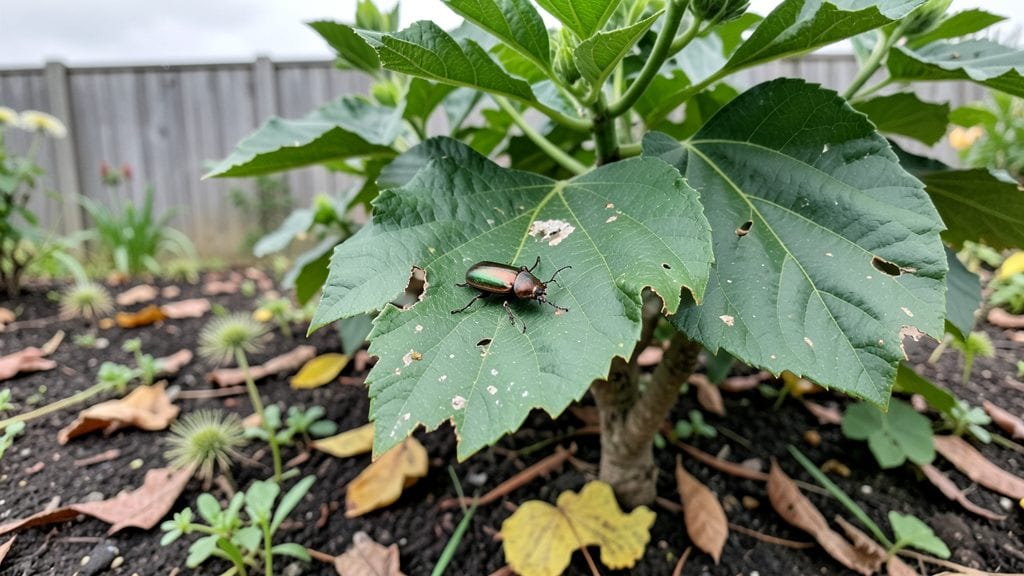
Hibiscus plants attract a surprisingly diverse range of pests, from hungry mammals to tiny insects. Deer and rabbits are particularly destructive, often stripping entire branches clean in a single night. 🌿 Meanwhile, caterpillars like the hibiscus looper don't just nibble—they can completely defoliate a plant if their populations aren't controlled.
Even smaller pests like aphids and spider mites weaken plants by sucking sap from leaves, which can stunt growth and reduce flowering. The key to protecting your hibiscus lies in early identification of these different types of damage patterns.
Understanding the specific feeding habits of each predator helps you implement targeted defenses. For example, deer and rabbit damage typically shows up as clean-cut edges on leaves, while caterpillar activity leaves behind irregular holes and silken webs.
Insect damage often appears as sticky residue (from aphids) or tiny speckled patterns (from spider mites). Recognizing these visual clues lets you take swift action before the damage becomes severe.
💡 In This Article
- Identifying Common Hibiscus Plant Predators
- Natural Ways to Protect Hibiscus from Pests
Identifying common hibiscus plant predators
Hibiscus plants face threats from three main categories of predators: insects, mammals, and mollusks. Each group leaves distinct visual clues that reveal their feeding habits. Insects like aphids and whiteflies target tender new growth and flower buds, while caterpillars focus on leaves.
Mammals such as deer and rabbits strip entire branches clean, while mollusks like slugs and snails create irregular holes with silvery slime trails. 🌿 The key to identification lies in examining both the damage pattern and the physical signs left behind.
Insect predators often leave behind subtle but telling signs. Aphids cluster on undersides of leaves, creating sticky honeydew that attracts ants and promotes sooty mold. Spider mites cause fine webbing between leaves and tiny yellow speckles where they pierce plant cells. Caterpillars, including the hibiscus looper, create irregular holes with frass (insect droppings) scattered around.
These pests typically target the softer, younger leaves first, leaving mature foliage intact until populations grow large enough.
Mammalian herbivores like deer and rabbits create unmistakable damage patterns. Deer typically feed at 3-5 feet above ground, leaving clean-cut edges on leaves and stems. Rabbits, being smaller, focus on lower foliage and often strip entire branches bare.
The damage appears as sharp, jagged edges rather than the ragged holes created by insects. These animals are most active during dawn and dusk, which explains why damage often appears overnight or early morning. 🦌
Mollusks including slugs and snails leave behind distinctive signs that include irregular holes with silvery slime trails and a characteristic "scalloped" edge where they feed. These pests target both leaves and young stems, often creating large gaps in foliage.
They're most active after rain or during humid nights when moisture keeps their bodies hydrated. Unlike insect damage, mollusk feeding often occurs along the ground level where they can hide under debris during the day.
Understanding these damage patterns helps gardeners implement targeted defenses. For example, neem oil works well against insects but won't deter mammals. Physical barriers like fencing are essential for protecting against deer and rabbits, while copper tape creates an electrical barrier that repels slugs and snails.
The first step in protection is accurate identification of which type of predator is causing the damage to your hibiscus plants.
Visual identification becomes easier with practice. Keep a small magnifying glass handy to examine leaf undersides for insects, and check for the characteristic slime trails of mollusks during early morning inspections.
Regular monitoring of your hibiscus plants—especially during their active growing season—will help you catch predator activity before it becomes severe. 🔍