
Companion Plants
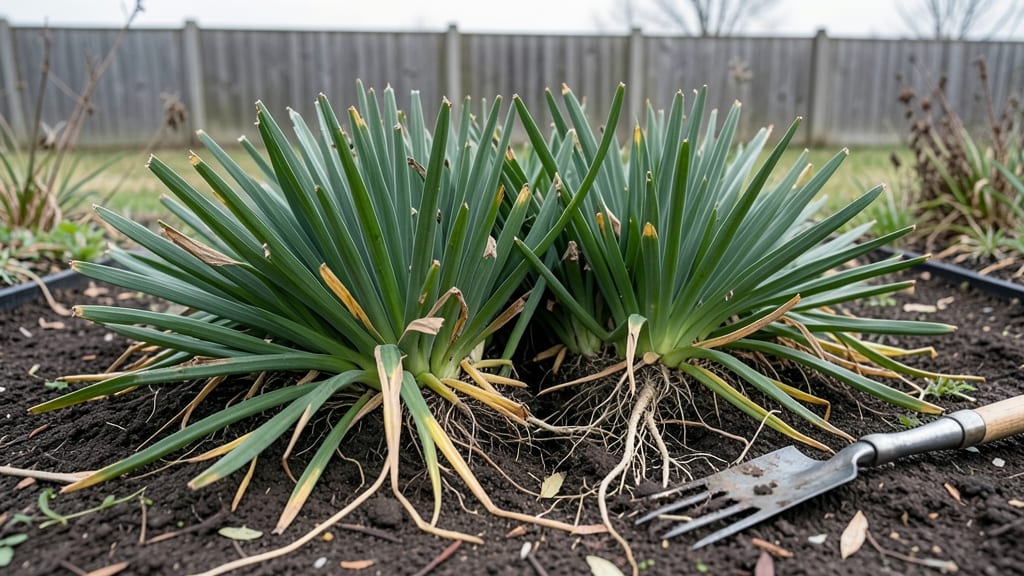
Your liriope borders will look shockingly lush this season if you tackle dividing these hardy plants now—before they turn into a tangled mess. 🌱 I’ve split mine every 2-3 years, and the difference in thickness and vigor is night-and-day.
The secret timing? Early spring or fall when the soil is workable but not frozen.
You’ll need just three basic tools: a sharp spade, garden gloves, and a bucket of water to rinse off the roots. The real work happens when you dig up the clump and gently pry apart the rhizomes—think of it like separating strands of wet yarn.
Each section should have at least 3-5 healthy shoots to thrive on its own.
After replanting, keep the newly divided sections well-watered for the first two weeks while they establish roots. You’ll notice fresh green growth within 3-4 weeks, and by next season, your borders will be denser than ever.
Plus, you’ll have spare plants to share with neighbors (or guilt-free replacements for failed spots).
This method works for all liriope varieties, whether you’re dealing with classic ‘Big Blue’ or the newer ‘Silver Dragon’. The key is patience—don’t rush the separation, and avoid dividing in summer heat. Ready to transform those sparse edges into a lush, low-maintenance green wall?
📚 In This Guide
- What you need
- Instructions
- Tips and common mistakes
- Wrapping up and next steps
What you need
- ● Sharp shovel or spade – A 5-inch garden spade with a sturdy, sharp blade works best for clean cuts. (Avoid dull tools—they crush roots!)
- ● Garden fork or digging fork – Helps loosen compacted soil around dense clumps. Opt for a 6-tine, heavy-duty fork for stubborn roots.
- ● Pruning shears or sharp knife – For trimming dead or overgrown foliage before and after dividing. Sterilize with rubbing alcohol to prevent disease.
- ● Garden hose or watering can – Water the area 1–2 days before dividing to soften the soil and make roots easier to separate.
- ● Compost or well-aged manure – 1–2 gallons per divided clump to replenish nutrients in the new planting holes.
- ● Garden gloves – Heavy-duty, cut-resistant gloves protect your hands from sharp edges and sap.
- ● Rooting hormone – Speeds up establishment for smaller divisions (especially useful in hot or dry climates).
- ● Mulch (pine straw or shredded bark) – 2–3 inches post-planting to retain moisture and suppress weeds.
- ● Wheelbarrow or tarp – For hauling soil, compost, or divided clumps to new spots.
- ● Knee pads or cushion – Because dividing Liriope is hard work—your knees will thank you!
Step-by-Step instructions for dividing liriope plants
Here's how to split your liriope clumps like a pro—thicker borders and fewer bare spots guaranteed.
🪴 Step 1: Choose the Right Time and Tools
Spring or early fall is ideal, when liriope is actively growing but not flowering. Grab your sharp spade or pruning shears—dull tools tear roots and stress plants. I also like to have a hose with gentle spray and garden gloves ready to keep things clean and hands protected.
Work on a dry day when soil is slightly moist but not soggy. Wet soil sticks to roots and makes splitting harder. If your soil is bone-dry, water lightly the day before dividing. You'll know it's ready when you can squeeze a handful and see moisture but no water dripping out.
✂️ Step 2: Dig Out the Entire Clump
Use your spade to cut a 1-inch-deep trench around the liriope clump, about 6 inches away from the center. This loosens the roots without severing them yet. Then, dig straight down to lift the entire plant, roots and all. Liriope roots are fibrous and tough—don't be afraid to wiggle the spade gently to free stubborn sections.
Shake off excess soil to reveal the root structure. You're looking for sections with 3-5 healthy shoots per division and a good mix of roots. Smaller clumps establish faster, but avoid divisions with just one or two shoots—they won't thrive. Real talk: if the clump resists, it's not ready to divide yet.
🌱 Step 3: Split the Clump into Manageable Sections
Gently pull or pry the clump apart by hand, working from the center outward. If roots resist, use your spade to make clean cuts between sections. Each division should have a healthy root ball and at least one fan of leaves. Discard any brown, mushy, or hollow-looking roots—they won't recover.
Here's the thing—don't rush. I've split clumps too aggressively, only to watch half the divisions fail. Aim for 4-6 divisions per original plant, depending on size. If you're struggling, soak the roots in water for 10-15 minutes to soften them before trying again.
💧 Step 4: Replant Divisions in Prepped Soil
Dig holes 1 inch deeper than the root ball and 12-18 inches apart for mature plants, or 6-8 inches apart if you're creating a new border. Mix a handful of compost into the bottom of each hole to give roots a nutrient boost. Place each division so the crown (where leaves meet roots) sits just above soil level—burying it too deep causes rot.
Backfill with soil and water deeply to settle everything. The soil should look moist but not muddy. After planting, I like to add a 1-inch layer of mulch around the base to retain moisture and suppress weeds. Keep divisions well-watered for the first 2-3 weeks—they're vulnerable until roots establish.
☀️ Step 5: Provide Aftercare for Strong Regrowth
Liriope thrives in full sun to partial shade, but newly divided plants need gentle care. Water every 2-3 days until new growth appears, then taper to once weekly once established. You'll see fresh shoots in 3-4 weeks—that's your signal it's working.
Fertilize lightly with a balanced 10-10-10 formula 4-6 weeks after replanting. Avoid high-nitrogen feeds—they promote leafy growth at the expense of root strength. By next spring, your divisions will look just like the original, only bushier and fuller.
Tips & tricks for perfect liriope division
These pro-level strategies will help you transform your liriope borders from sparse to lush with minimal stress on your plants.
The Timing Secret: I can't stress this enough—spring or early fall are the only windows where liriope divides successfully. The plant needs to be actively growing but not flowering, which means you're giving it the best chance to recover. If you attempt this in summer, you'll likely end up with stressed plants that take forever to bounce back. The 10-15 minute soak for stubborn roots in Step 3 is your secret weapon when clumps resist splitting—it softens the fibrous roots without damaging them.
Root Ball Inspection: When you shake off excess soil in Step 2, look for roots that are white or light tan—they're healthy. Discard any that look brown, mushy, or hollow like a straw. These are dead zones that won't contribute to new growth. I've made the mistake of keeping questionable roots, only to watch those divisions struggle for months. Think of it as quality control for your new plants—be ruthless with the rejects!
Planting Depth Matters: The crown (where leaves meet roots) must sit just above soil level in Step 4. Burying it too deep causes rot because the base can't breathe, while planting too shallow exposes the roots to drying out. I use a small stick to mark the original depth before lifting the clump, then match that exact level when replanting. This simple trick has saved me from losing entire divisions.
Watering Wisdom: After replanting, focus on consistent moisture—not drowning. Water every 2-3 days until you see new shoots in 3-4 weeks, then taper to weekly. The 1-inch mulch layer acts like a moisture blanket, keeping roots hydrated while preventing weeds. I've seen divisions fail because people either underwatered (roots dried out) or overwatered (caused rot)—neither extreme works.
Pro Tips for Dividing Liriope Plants
- These pro-level strategies will help you transform your liriope borders from sparse to lush with minimal stress on your plants.
- The Timing Secret: I can't stress this enough—spring or early fall are the only windows where liriope divides successfully.
- Root Ball Inspection: When you shake off excess soil in Step 2, look for roots that are white or light tan—they're healthy.
Frequently asked questions
Got questions about dividing your liriope? You’re not alone—this hardy grass-like plant is a favorite, but splitting clumps can feel tricky! Below, we tackle the most common concerns to help you divide with confidence.
When is the best time to divide liriope plants?
Spring or early fall is ideal! Aim for mild temperatures (50–70°F) to reduce stress on the roots. Avoid dividing in summer heat or winter frost—your liriope will thank you with faster regrowth. Pro tip: If you miss the window, late summer (before blooming) is a close second!
How do I know if my liriope needs dividing?
Watch for these signs:
- Thinning centers (bare spots where leaves pull away)
- Slow growth or fewer blooms
- Overcrowded clumps (3+ years old, dense center)
Can I divide liriope in pots or containers?
Containers are perfect for dividing small clumps. Use a sharp knife or spade to separate roots, then repot in well-draining soil. Key tip: Choose pots with drainage holes—liriope hates soggy roots. For large clumps, divide into 3–4-inch sections with 3–5 fans of leaves each.
What if my divided liriope isn’t growing back?
Don’t panic! Check these fixes:
- Water deeply (1–2 inches weekly) for the first month.
- Ensure full sun to partial shade (6+ hours of light).
- Fertilize lightly with balanced 10-10-10 after 6 weeks.
How many plants can I get from one liriope clump?
It depends on the size! A mature 3-year-old clump (12–18 inches wide) can yield 3–5 divisions. Larger clumps (2+ feet wide) may split into 6–8 plants. Rule of thumb: Each division should have 3–5 healthy fans and a chunk of roots.
Wrapping up and next steps
Dividing your liriope plants is a rewarding way to refresh your garden borders while expanding your green space—and you’ve got all the tools to succeed! 🌱 Whether you’re tackling a mature clump or just starting, the key is patience, sharp tools, and a little love for your plants.
Now that you’re armed with the know-how, why not treat yourself to a well-deserved break in the shade with a cold drink—then grab those gloves and get dividing! Your future thicker, healthier borders (and maybe even a few new plant pals for friends) are waiting.
Next step: Mark your calendar for early spring or fall—the perfect times to divide—and watch your liriope thrive!