
Blooming
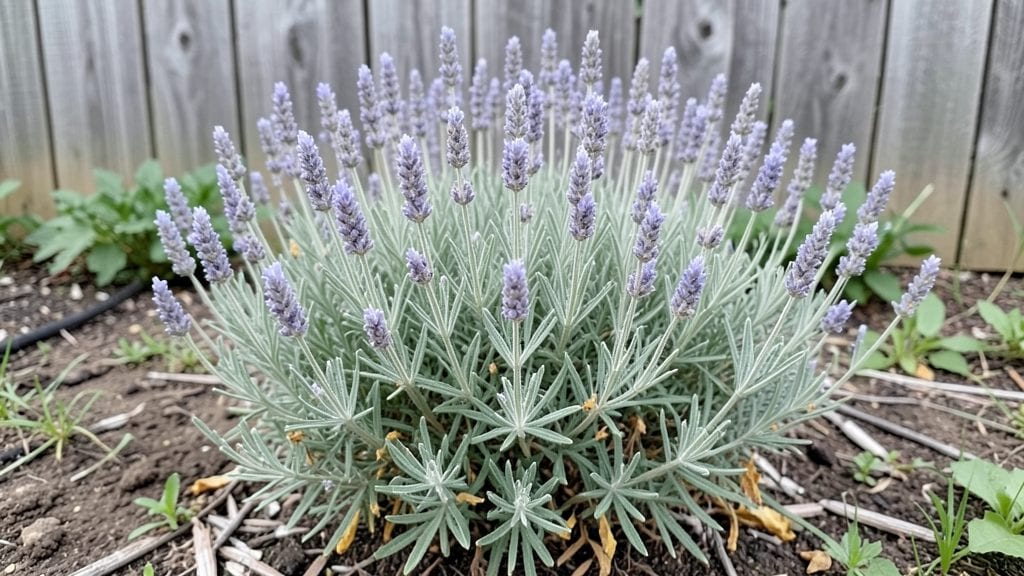
Mastering blooming plant identification by their flowers, leaves, and stems unlocks the secret to keeping them thriving—until I learned to spot the subtle clues in petal shape, leaf texture, and growth patterns that reveal exactly what each plant needs.
The key is matching three traits: flower structure (like tubular vs. flat blooms), leaf arrangement (alternate, opposite, or whorled), and stem characteristics (woody, fuzzy, or smooth).
Once you recognize these, you’ll know whether a plant craves full sun or shade, how often to water it, and which companions to plant nearby for mutual support.
With the right identification, you’ll troubleshoot issues faster—like why your roses keep wilting or why your lavender isn’t blooming. Apps like PlantNet or a local field guide can confirm your guesses, but your eyes are the first tool.
Start with the plants you already have, and soon you’ll spot new ones in your neighborhood too.
This skill transforms gardening from guesswork to confidence. Once you’ve mastered the basics, you’ll be ready to dive deeper into care routines tailored to each plant’s unique traits—like when to prune or how to encourage reblooming. Let’s get started with the visual clues that matter most.
The Science Behind Flowering
When your garden bursts into color, it’s not just luck—it’s a carefully choreographed dance between biology, environment, and time. Understanding why plants bloom (or fail to) helps you identify them more accurately and nurture their full potential.
Here’s a breakdown of the key triggers that turn a leafy green into a floral masterpiece.
Every plant has a built-in schedule, hardwired into its DNA, that dictates when it will bloom. This is called florigen, a flowering hormone produced in response to specific conditions. For example:
- Annuals (like marigolds or impatiens) bloom rapidly in one growing season because their genes prioritize reproduction over foliage.
- Perennials (such as peonies or daylilies) wait until they’ve stored enough energy in roots or tubers before flowering, often triggered by cold winters.
- Biennials (like foxgloves) need two years: the first year focuses on leaf growth, while the second year shifts energy to flower production.
Actionable tip: If a plant isn’t blooming on schedule, check its life cycle category—annuals may need replanting, while perennials might need patience (or a cold snap to "wake up" their genes).
Plants are photoperiodic, meaning they respond to daylight length. Three main groups exist:
- Short-day plants (e.g., chrysanthemums, poinsettias) bloom when daylight shrinks (fall/winter).
- Long-day plants (e.g., lilies, snapdragons) need 14+ hours of light to trigger flowers (spring/summer).
- Day-neutral plants (e.g., zinnias, tomatoes) bloom regardless of daylight—just give them consistent light!
Pro tip: 💡 If your plant is light-sensitive but isn’t flowering, adjust its exposure. Use grow lights for 16+ hours/day to mimic long days, or move short-day plants to a shadier spot in summer to "trick" them into blooming later.
Most plants need a temperature range to bloom, often tied to seasons:
- Cold-requiring plants (e.g., tulips, hyacinths) need a period of vernalization—chilling at 35–45°F (2–7°C) for weeks to break dormancy.
- Heat-loving bloomers (e.g., bougainvillea, hibiscus) stall until soil and air warm to 65°F (18°C)+.
- Temperature-sensitive species (like some orchids) may drop buds if nights dip below 50°F (10°C).
Warning sign: 🌡️ If buds form but fall off, your plant might be experiencing heat stress (too hot) or chilling injury (too cold for its needs).
Plants won’t bloom if they’re starving or stressed. Key factors:
- Nitrogen overload: Too much nitrogen (common in lawn fertilizers) promotes leafy growth but blocks flowering. Look for a balanced fertilizer (e.g., 10-10-10) or one high in phosphorus (P) (e.g., 5-10-5) to encourage blooms.
- Drought stress: Many plants (like lavender or roses) need consistent moisture but detest soggy roots. Overwatering can cause buds to rot.
- Micronutrient deficits: Lack of magnesium, calcium, or boron can stunt flower development. A soil test reveals gaps.
Quick fix: ✨ Switch to a phosphate-rich fertilizer (like bone meal) and water deeply but infrequently—most blooming plants prefer slightly dry soil over soggy conditions.
Some plants only flower when stressed, as a last-ditch reproductive effort. Examples:
- Succulents (e.g., jade plants) may bloom after years of drought or root-bound conditions.
- Bulbs (like amaryllis) often produce flowers when they’ve outgrown their pots.
- Weedy species (e.g., dandelions) bloom aggressively in disturbed or nutrient-poor soil.
Caution: ⚠️ While this is natural, chronic stress (like extreme drought or pest damage) can kill the plant before it blooms. Balance is key!
Many plants won’t bother blooming if they detect no pollinators nearby. Bees, butterflies, and hummingbirds trigger flowering in:
- Self-pollinating plants (e.g., tomatoes, peas) may still produce fruit but with smaller, fewer blooms if pollinators are absent.
- Pollinator-dependent plants (e.g., lavender, foxgloves) may abort buds if no insects visit.
Solution: 🐝 Plant companion flowers (like marigolds or alyssum) near your target plant to attract pollinators. Even artificial vibrations (like gently tapping stems) can help self-pollinate some species.
Young plants focus on root and leaf growth before flowering. Common examples:
- Herbaceous perennials (e.g., hostas, coneflowers) may take 2–3 years to bloom after planting.
- Shrubs (like lilacs or hydrangeas) can wait 3–5 years to reach full flowering potential.
- Bulbs (e.g., daffodils) often need 1–2 growing seasons to establish before blooming reliably.
Patience hack: 🎯 If you’re impatient, try container-grown mature plants—they’ll often flower the same season! Just ensure they’re well-established before transplanting.
Quick Fixes for Common Plant ID Struggles
When blooming plant identification feels like solving a puzzle with missing pieces, the right approach can turn confusion into clarity. Below, we’ve mapped common challenges to practical solutions—plus tips to keep your green thumb sharp for next time. 🌱🔍
Problem: Smooth, glossy leaves blur together, making species hard to distinguish. Fix:
- Rub a leaf between your fingers—sandpaper-like (e.g., Rubus brambles) vs. silky-smooth (e.g., Hosta).
- Check edges: Serrated (like a saw), lobed (maple-like), or entire (smooth)?
- Flip it over: Some plants (like Caladium) have dramatic undersides with veins or patterns.
Prevention Tip: 💡 Carry a small magnifying glass or phone app (like PictureThis) to snap close-ups of leaf details.
Problem: Woody, herbaceous, or vine-like stems leave you guessing. Fix:
- Test flexibility: Bend a stem—brittle (annuals), flexible (perennials), or woody (shrubs).
- Look for nodes: Spaced evenly? That’s a monocot (e.g., lilies). Alternating? Likely a dicot (e.g., roses).
- Check for thorns: Roses (sharp), Blackberries (curved), or Honeysuckle (soft).
Pro Tip: ✨ Trace the stem’s path—twining (morning glories), climbing (ivy), or trailing (petunias).
Problem: Petals, sepals, and stamens all look the same at first glance. Fix:
- Count the parts:
- 4–5 petals = Likely roses, lilacs, or apples.
- 6 petals = Lilies, tulips, or daylilies.
- Many tiny petals = Daisies, asters, or coneflowers.
- Check symmetry:
- Radial (like a pizza slice) = Daffodils, sunflowers.
- Bilateral (mirror image) = Orchids, snapdragons.
- Smell it (safely!): Fragrant flowers often hint at night-bloomers (e.g., Moonflower) or pollinator magnets (e.g., Lavender).
Quick Hack: 📊 Use a flower dissection kit (or tweezers) to separate parts—label them as you go!
Problem: You can’t see roots, but the plant’s behavior hints at its type. Fix:
- Bulbs vs. Tubers:
- Bulbs (onions, tulips) = Layers like an onion.
- Tubers (potatoes, dahlias) = Thick, knobby stems.
- Rhizomes vs. Corms:
- Rhizomes (ginger, irises) = Horizontal, jointed stems.
- Corms (crocuses, gladiolas) = Solid, bulb-like but not layered.
- Taproots vs. Fibrous:
- Taproots (carrots, dandelions) = One main root.
- Fibrous (grasses, lilies) = Dense, tangled network.
Prevention Tip: 🌡️ Observe regrowth patterns—do new shoots emerge from the top (bulb) or side (rhizome)?
Problem: "It blooms when?" is a game-changer for ID. Fix:
- Spring ephemerals: Bloodroot, trillium, hepatica (short window!).
- Summer stars: Daylilies, zinnias, coneflowers (peak June–August).
- Fall showstoppers: Mums, asters, sedum (September–October).
- Winter surprises: Hellebores, winter jasmine, paperwhites (December–February).
Pro Tip: ✨ Keep a bloom journal with photos and dates—note color changes (e.g., Daffodils start pale and deepen).
Remember: Even experts use a mix of visual clues, growth habits, and elimination. If all else fails, compare with a local plant database or ask a gardening forum—most enthusiasts love helping! 🌸
Frequently asked questions about blooming plant identification
What are the easiest visual traits to start with when identifying blooming plants?
Focus on three key features: flower shape (tubular, flat, or clustered), leaf arrangement (alternate, opposite, or whorled), and stem type (woody, fuzzy, or herbaceous). For example, tubular flowers often belong to mint family plants, while flat blooms might be daisies or sunflowers. Start with these to narrow down possibilities.
Can I use my smartphone to help identify blooming plants?
Apps like PictureThis, PlantNet, or Google Lens can instantly analyze flower, leaf, and stem traits. Just snap clear photos of all three parts (flower, leaves, and stems) for the best results. These tools work best when you include close-ups of unique features like leaf edges or flower symmetry.
Why do some blooming plants look identical but have different names?
Many plants share similar traits due to evolutionary adaptations or cultivar variations. For example, daylilies and iris both have sword-like leaves but differ in flower structure. Check for subtle differences like petal count (3 vs. 6), root type (rhizome vs. bulb), or bloom timing (spring vs. summer).
What’s the best time of day to photograph blooming plants for identification?
Capture images between 10 AM and 2 PM when light is bright but not harsh. Avoid midday shadows or early morning dew, which can obscure details. Focus on close-ups of flowers (showing petals, stamens, and sepals) and leaf undersides—many plants have distinct patterns there that apps can detect.
How do I tell the difference between a weed and a desirable blooming plant?
Weeds often have aggressive growth habits (spreading roots or seeds), noxious odors, or thorns. Desirable bloomers usually have organized flower structures and specific care requirements. For example, dandelions (weeds) have radial flowers with milky sap, while black-eyed Susans (desirable) have cone-shaped centers and grow in clumps.