
Companion Plants
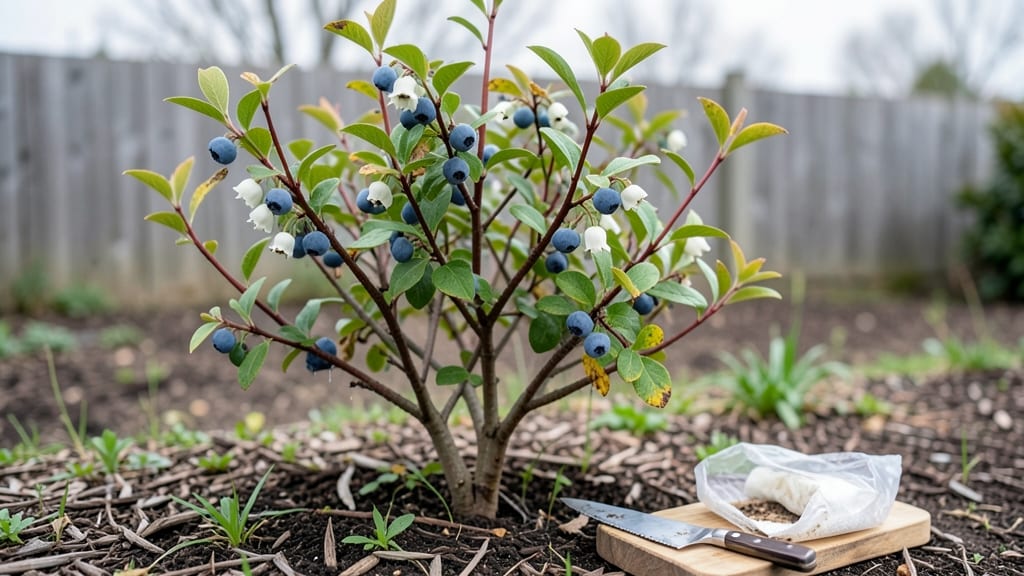
Cloning blueberry plants through layering gives you fast, identical bushes without waiting years for seeds to mature. I learned this trick after struggling with slow-growing nursery plants—now my garden has thriving blueberry thickets in just a few months.
The key is timing: do this in early spring or late summer when the parent plant is actively growing but not stressed by heat or frost.
You’ll need sharp pruning shears, rooting hormone (optional but helpful), and a small pot with moist potting mix. The best cuttings come from 1-year-old wood—flexible but not too soft.
Bend a low branch down, make a small cut, and tuck it into the soil, securing it with a U-shaped wire. Keep the soil damp but not soggy, and within 6-8 weeks, you’ll see roots forming.
Once rooted, you’ll have vigorous new plants ready to transplant. The berries from these clones stay true to the parent’s flavor and size, and they fruit a full year earlier than seedlings.
Just watch for rot—too much water is the #1 killer—and avoid transplanting until roots are 2-3 inches long for best survival.
This method works in zones 4-9, though southern gardeners should time it for cooler months. Whether you’re expanding a home garden or selling starts, layering is the foolproof way to multiply blueberries without the wait. Ready to get growing?
📚 In This Guide
- What you need
- Instructions
- Tips and common mistakes
- Wrapping up and next steps
What you need
- ● Healthy blueberry plant: Choose a mature, disease-free plant with flexible, semi-hardwood stems (about pencil-thick).
- ● Sharp pruning shears or knife: Sterilized to prevent infection (rubbing alcohol wipe works!).
- ● Plastic or metal plant ties: 6–10 inches long (or zip ties as a budget-friendly alternative).
- ○ Rooting hormone (optional but recommended): A gel or powder (e.g., Rootone) to boost root growth.
- ● Moisture-retentive medium: Sphagnum moss, coconut coir, or a mix of peat and perlite (4–6 inches deep).
- ● Clear plastic bag or humidity dome: To create a greenhouse effect (1–2 gallons capacity).
- ● Watering can or spray bottle: For gentle hydration (avoid soaking the medium).
- ● Garden gloves: To protect your hands from thorns and sap.
- ● Trowel or small shovel: For digging a shallow trench (4–6 inches deep) near the plant.
- ● Plastic wrap or clear tubing: To cover the layered stem (if not using a bag).
- ● pH test kit: To check soil pH (blueberries thrive in acidic soil, pH 4.5–5.5).
- ○ Mulch (optional): Pine bark or straw to maintain moisture and acidity around the mother plant.
- ● Label tags: To track varieties and planting dates.
Instructions for cloning blueberry plants using the layering method
Here's how to propagate blueberries quickly without buying new plants—just grab a few tools and your patience.
Select Healthy Shoots for Layering
Choose low-growing, flexible stems about 6 inches long and no thicker than a pencil. These should be on the outer edges of your bush, where they naturally bend toward the ground. Avoid woody, thick stems—they’re harder to root and take longer. Look for stems with new growth but no flowers, as those will drain energy from root formation.
Gently bend one of these stems downward until it touches the soil. If it stays in place without snapping, it’s a good candidate. Make a small cut (about 1/4 inch deep) along the underside of the stem where it touches the ground. This cut encourages root growth by exposing the cambium layer, where new roots form.
Secure the Stem and Encourage Root Growth
Use a U-shaped wire or bent piece of rebar to hold the stem in place against the soil. The cut area should be buried just enough to cover it completely—about 1-2 inches deep. If the stem is too short, mound soil around it to create a gentle slope that keeps it in contact with the earth.
Water the area lightly but thoroughly, ensuring the soil around the cut stem stays moist but not soggy. Overwatering can rot the stem before roots form, while dry soil slows down the process. Check the soil every 3-4 days—it should feel like a damp sponge when squeezed.
Monitor and Promote Root Development
In about 6-8 weeks, roots should begin forming at the cut. You’ll notice the stem feels slightly anchored when you tug gently—this is your signal that roots are taking hold. If the soil dries out during this time, water again, but avoid disturbing the stem.
To speed up rooting, apply a rooting hormone to the cut area before burying it. This isn’t mandatory, but it can cut the process down by 2-3 weeks. Keep the layering site shaded if your climate is hot, as direct sun can dry out the soil too quickly and stress the stem.
Separate and Transplant the New Plant
Once roots are 2-3 inches long (you can carefully dig around the stem to check), it’s time to separate the new plant. Use a small spade to cut just below the new roots, ensuring you keep as much of the original root system intact as possible.
Transplant the rooted cutting into its own pot or directly into the ground in a well-draining, acidic soil mix (blueberries hate alkaline soil). Water deeply after planting to help it settle in. The first few weeks are critical—keep the soil consistently moist and protect the young plant from strong winds or extreme temperatures.
Care for Your New Blueberry Plant
Your cloned blueberry will need regular watering but avoid overwatering—soggy soil invites root rot. Fertilize lightly in the first growing season with an acid-loving plant fertilizer to encourage strong growth. You’ll see new leaves and stems within 4-6 weeks, signaling the plant is established.
Here’s the thing—don’t expect fruit for at least 2 years. The plant is still maturing, and it’ll focus on growing leaves and roots first. But once it’s established, your cloned blueberry will produce just like the parent plant, and you’ll have saved money and effort along the way.
Tips & tricks for perfect blueberry plant cloning
These simple strategies will help you maximize your success rate and speed up the rooting process for your blueberry cuttings.
Stem Selection Matters: In Step 1, when choosing your 6-inch stems, look for ones that are slightly thicker than a pencil but still flexible. Thicker stems take longer to root, while thinner ones may not have enough energy reserves. I've found that stems with a slight reddish tint often root faster—this indicates they're younger and more vigorous. Avoid stems with any signs of disease or damage, as these flaws can compromise your entire cloning effort.
Cutting Technique Tip: When making that 1/4-inch cut in Step 1, use a clean, sharp knife to avoid crushing the stem. The cut should be diagonal rather than straight across—this increases the surface area for root formation. After cutting, immediately bury the stem to prevent the exposed cambium from drying out. I like to make the cut just before bending the stem downward to keep everything fresh.
Watering Wisdom: The 3-4 day watering schedule in Step 2 is crucial, but timing matters just as much as frequency. Water in the early morning so the soil has time to dry slightly during the day. This prevents fungal growth while maintaining consistent moisture. I've noticed that using a spray bottle for light misting between waterings helps maintain even moisture without oversaturating the soil.
Speeding Up Root Development: If you're eager to see faster results in Step 3, try this trick: After applying rooting hormone, wrap the buried portion of the stem with damp sphagnum moss. This keeps the area consistently moist and can cut the 6-8 week process down by about 2 weeks. Just be sure to keep the moss from touching the leaves to prevent rot. I've had great success with this method in hotter climates where soil dries out quickly.
Pro Tips for Cloning Blueberry Plants
- These simple strategies will help you maximize your success rate and speed up the rooting process for your blueberry cuttings.
- Stem Selection Matters: In Step 1, when choosing your 6-inch stems, look for ones that are slightly thicker than a pencil but still flexible.
- Cutting Technique Tip: When making that 1/4-inch cut in Step 1, use a clean, sharp knife to avoid crushing the stem.
Frequently asked questions
Got questions about cloning blueberry plants? You’re not alone!
Here are answers to the most common concerns—from timing to troubleshooting—to help you succeed with your blueberry layering project.
What’s the best time of year to clone blueberry plants?
Spring or early summer (April–June) is ideal for blueberry layering. The plant is actively growing, and warm, moist soil encourages root development. Avoid late summer or fall, as cooler temps slow rooting. If you must clone later, use a greenhouse or shade cloth to maintain warmth and humidity.
How long does it take for blueberry cuttings to root?
Root growth typically takes 4–8 weeks, depending on conditions. Check for success by gently tugging the cutting—if resistance is felt, roots have formed! Patience is key, especially in cooler climates. Keep the soil consistently moist (but not soggy) to speed up the process.
Can I clone blueberry plants from store-bought bushes?
Yes, but with caution! Store-bought bushes are often grafted (e.g., rabbiteye or southern highbush varieties). Cloning may not produce the same variety. For reliable results, source cuttings from a trusted nursery or a known healthy bush. If unsure, ask the seller about the plant’s lineage.
What should I do if my blueberry cutting rots instead of rooting?
Rotting usually means too much moisture or poor airflow. Stop watering immediately and let the soil dry slightly. Trim any mushy stems and replant in fresh, well-draining soil. Ensure the cutting’s base stays barely buried (just 1–2 inches exposed). A fungicide spray can also prevent future rot.
Are there alternatives to layering for cloning blueberry plants?
Yes! Try softwood cuttings (from new growth) or hardwood cuttings (from dormant stems). For softwood, dip in rooting hormone and plant in perlite/sand mix. Hardwood cuttings need a cold period (like winter) before planting. Layering is simplest for beginners, but these methods work too!
Wrapping up and next steps
Cloning blueberry plants through layering is a rewarding and cost-effective way to expand your garden while preserving your favorite varieties. 🌱 With patience and the right technique, you’ll soon enjoy a thriving patch of identical, healthy bushes—perfect for sharing with fellow gardening enthusiasts or boosting your harvest!
Ready to put your new skills to the test? Start with just one layer today and watch your blueberry family grow.