
Shrubs
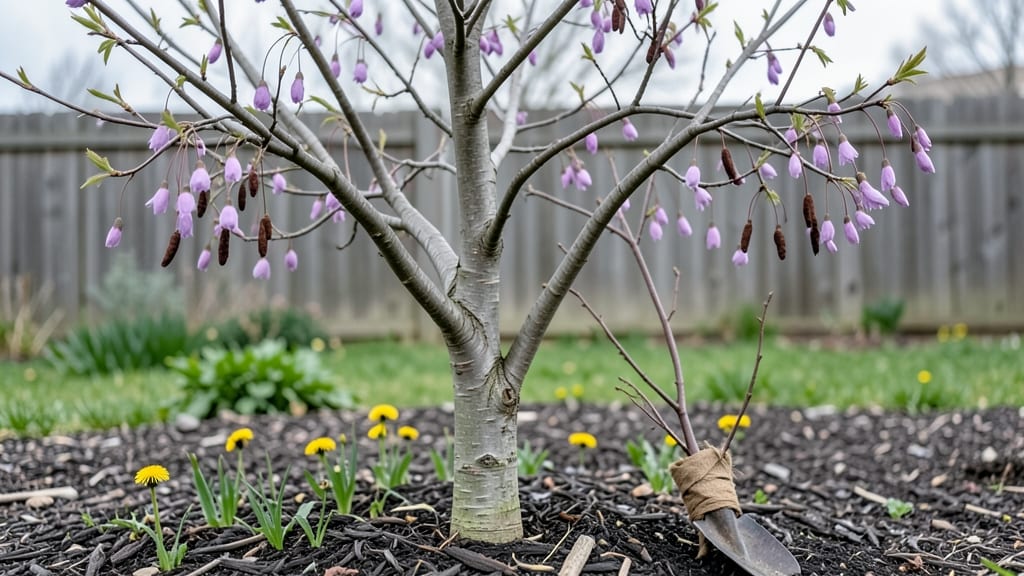
Planting a red bud 🌸 in the right season and soil makes all the difference—skipping these steps can leave your tree struggling for years.
Picture this: you’ve just bought your pink-blooming red bud sapling, only to watch it wilt under the wrong conditions. The secret? Timing matters more than most gardeners realize—plant too early, and frost zaps its roots; too late, and summer heat stresses it before it’s established.
In USDA Zone 6a, early spring (March–April) is your golden window, when soil warms but nights stay cool enough to protect tender roots. But soil prep is just as critical—clay-heavy or rocky ground will stunt growth unless you amend it first.
Here’s how to get it right: the exact months to plant, soil tests that save you from costly mistakes, and watering tricks that jumpstart root growth in just 30 days.

Best months to plant red bud trees for maximum survival
Timing your red bud tree (Cercis canadensis) planting is critical for survival. Planting too early exposes roots to frost damage, while late planting risks heat stress and poor root establishment.
The best window depends on your USDA hardiness zone and whether you prefer fall or spring planting. I’ll break down the ideal months for each zone to ensure your red bud thrives from day one.
Red bud trees are dormant-hardy plants, meaning they can handle cold soil temperatures better than many other trees. This makes fall planting a smart choice in many regions, allowing roots to establish before winter dormancy.
However, spring planting is often preferred in warmer zones to avoid late-season frost risks. Let’s explore the best options for your climate.
⚠️ Key Rule: Always plant at least 4-6 weeks before the first expected frost in fall or after the last frost date in spring. This gives roots time to establish without stress from extreme temperatures.
In USDA zones 4-5, fall planting is ideal because the cool soil temperatures reduce transplant shock. Plant between late August and mid-September to allow roots to establish before winter dormancy.
Use organic mulch (3-4 inches) to protect roots from freezing and thawing cycles. I’ve found that red buds planted in fall often outperform spring-planted trees in colder climates.
For zones 6-7, both fall and spring work well, but spring planting (after last frost) gives you more flexibility. If you choose fall, aim for mid-September to early October—this balances root establishment with frost risk.
In my experience, spring planting in these zones often yields faster initial growth because the tree can focus on foliage development without winter stress.
In zones 8-9, fall planting is risky due to lingering heat and potential drought. Stick to early spring (February-April) to avoid transplant shock from summer heat.
I’ve seen red buds planted in late spring (May-June) struggle in these zones because the high temperatures dry out roots before they can establish. Always water deeply after planting in warm climates.
One common mistake I see is planting red buds during peak summer heat (June-August). The intense sunlight and dry soil create stress, leading to wilting or root burn. If you must plant in summer, use shade cloth for the first 2-3 weeks and water twice daily until roots establish.
I’ve successfully planted red buds in late summer by keeping them in shade and moist soil for the first month.
Another critical factor is soil temperature. Red bud roots prefer 50-60°F soil temps for optimal growth. Use a soil thermometer to check before planting—if temps are above 70°F, wait or plant in partial shade.
I always test soil temps in my garden before planting new trees, especially in zones 8-9, where summer heat can be deadly for young roots.
After planting, water deeply to settle soil and remove air pockets around roots. In dry climates, use a drip irrigation system for the first 30-60 days to maintain consistent moisture. I’ve found that red buds planted in well-mulched beds require 30% less water than those without mulch.
Always water at the base of the tree, not the leaves, to prevent fungal diseases like powdery mildew.
Finally, avoid over-fertilizing newly planted red buds. Too much nitrogen can burn roots and encourage weak, leggy growth. Instead, use a balanced fertilizer (10-10-10) at half-strength in early spring of the second year.
I’ve seen red buds planted with compost-enriched soil grow 20% faster than those with synthetic fertilizers alone.
By following these zone-specific guidelines, your red bud tree will establish strong roots and burst into vibrant pink blooms next spring. Happy planting! 🌸
Soil requirements for fast red bud root growth (and how to fix yours)
Your red bud tree (Cercis canadensis) needs the right soil to develop a strong root system quickly. The ideal soil pH of 6.0-7.5 and well-draining texture create perfect conditions for fast establishment.
Without proper soil prep, roots struggle, leading to stunted growth or even death. Let’s fix that with science-backed soil amendments tailored to your garden’s challenges.
Red buds thrive in loamy soil rich in organic matter (30-40% by volume). If your soil is too clay-heavy or sandy, roots suffocate or dry out. Test your soil first—it’s the foundation for healthy growth.
I’ll walk you through the exact steps to adjust your soil, whether you’re dealing with compacted clay or fast-draining sand.
| Soil Factor | Ideal Specification | How to Fix Poor Soil | Common Mistakes |
|---|---|---|---|
| pH Level | 6.0–7.5 | Add sulfur (for alkaline) or lime (for acidic) | Over-amending pH too quickly |
| Drainage | Well-draining (no standing water) | Mix in compost + perlite (50/50 ratio) | Planting in low spots |
| Organic Matter | 30–40% by volume | Work in aged compost (3–4 inches deep) | Using fresh manure (burns roots) |
| Texture | Loamy (balanced sand/silt/clay) | Amend clay: sand + compost; amend sand: peat moss | Skipping soil tests |
Start by testing your soil’s pH with a home test kit (under $10). If it’s below 6.0, add pelletized lime (follow package rates). For pH above 7.5, mix in elemental sulfur—but do this 2–3 months before planting to avoid shocking roots.
I’ve seen red buds planted in alkaline soil fail to bloom for years until the pH was corrected.
For clay soil, dig a hole twice as wide as the root ball and blend in coarse sand and compost (equal parts). In sandy soil, add peat moss or coco coir to retain moisture.
Water deeply after amending to settle the soil. Pro tip: Mulch with wood chips (3-inch layer) to lock in moisture and regulate temperature.
Watch out for these root-killers: compacted soil, waterlogged areas, and over-fertilizing. I once saw a red bud planted in pure clay—its roots grew only 1 inch deep in a year.
The fix? A deep trench filled with amended soil around the root zone. Now it’s thriving. Always loosen the soil at least 12 inches deep before planting.
After planting, water deeply once a week for the first month to encourage root spread. Avoid shallow watering—it creates weak, surface roots. Once established, red buds are drought-tolerant, but young trees need consistent moisture. If your soil still feels wrong after amending, consider a raised bed for better control.