Pests and Diseases
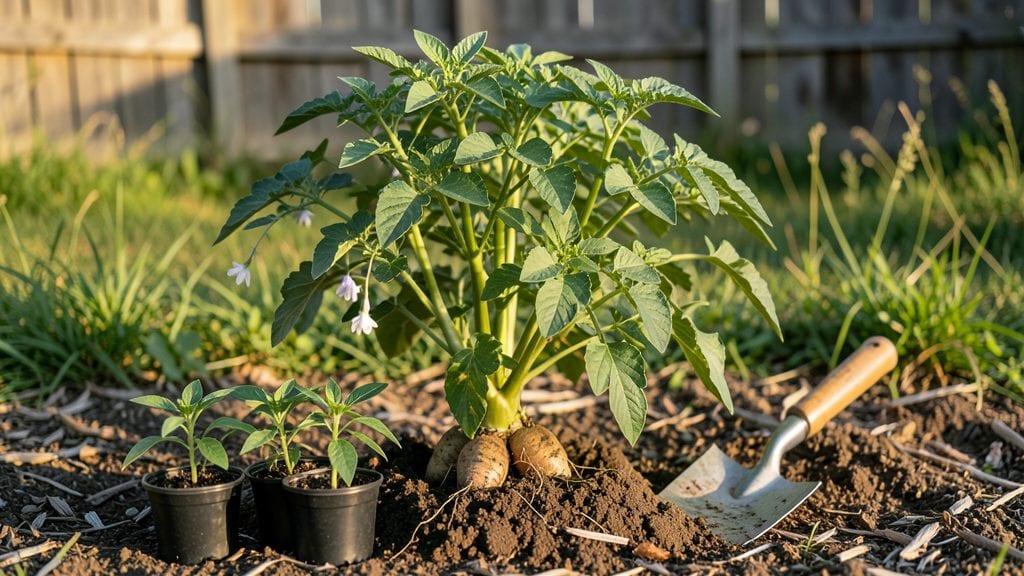
You shouldn't plant peppers and potatoes together because they share pests like Colorado potato beetles, which devastate both crops. If you must grow them nearby, use physical barriers, trap crops, or plant repellent herbs like basil or marigolds instead.
These two crops face a double threat when planted together: Colorado potato beetles and flea beetles target both peppers and potatoes, leading to stunted growth or total crop failure. 🌱 The issue isn't just pests—shared diseases like verticillium wilt can spread through the soil, creating a vicious cycle.
My garden learned this lesson the hard way when half my pepper plants wilted after a potato beetle infestation. Instead of risking both crops, I now dedicate separate garden beds or use raised planters with protective netting.
For gardeners determined to maximize space, staggered planting schedules can help—potatoes go in early spring while peppers wait until after the last frost. 🌿 Another trick is planting basil or onions between rows: these act as natural pest deterrents while improving flavor profiles.
Just remember, even with these workarounds, monitoring for early signs of beetles or fungal spots remains critical.
💡 In This Article
- Why Peppers and Potatoes Are Poor Garden Companions
- Smart Alternatives to Companion Planting Peppers and Potatoes
Why peppers and potatoes are poor garden companions
Both peppers and potatoes belong to the nightshade family (Solanaceae), which means they share vulnerabilities to the same pests and diseases.
The Colorado potato beetle, for instance, devours both crops with equal enthusiasm—its larvae can strip a potato plant in 2-3 weeks while adult beetles chew through pepper leaves, leaving behind jagged holes that invite fungal infections. 🔥 These beetles aren't picky eaters; they'll happily feast on whichever crop is most accessible, creating a domino effect of damage.
The problem extends beyond beetles. Flea beetles, another common garden pest, target young pepper seedlings with their 1/16-inch holes, while also attacking potato foliage. What's worse is that these pests thrive in the same conditions: warm soil (60-85°F) and dense plantings.
When peppers and potatoes share space, they become a pest buffet, with infestations spreading uncontrollably between the two crops. The result? Stunted growth, reduced yields, and plants that struggle to recover.
Root competition adds another layer of conflict. Potatoes develop extensive underground networks that can smother pepper roots, especially in small garden beds where space is limited. Peppers, which prefer well-draining soil, may find their roots competing for nutrients with potatoes' voracious appetite.
This competition isn't just about space—it's about resources. Potatoes, being heavy feeders, deplete nitrogen and potassium faster, leaving peppers malnourished and stressed.
Soil-borne diseases like verticillium wilt further complicate things. This fungal pathogen thrives in the same conditions that suit both crops and can persist in the soil for years. Once established, it spreads through water and root contact, turning plant stems brown and brittle. 💫 The irony?
Even if you rotate crops, the disease remains dormant in the soil, waiting for the next susceptible plant—whether it's a pepper or potato—to appear. This makes simultaneous planting a high-stakes gamble with long-term consequences.
Consider the case of my neighbor's garden last summer. He planted peppers and potatoes in adjacent rows, confident in his pest control. Within 6 weeks, Colorado potato beetles had decimated both crops, and verticillium wilt appeared in the soil.
The peppers, already weakened, succumbed first, followed by the potatoes. The lesson? Shared vulnerabilities between these crops create a perfect storm of pests, diseases, and resource competition that's nearly impossible to outmaneuver without proactive strategies.
For those determined to grow both, the key is separation—either through time, space, or protective measures. Staggered planting schedules or raised beds with row covers can create a buffer, but even then, vigilance is required.
The risks simply outweigh the rewards when it comes to planting these two solanaceous crops together. 🌿