Companion Plants
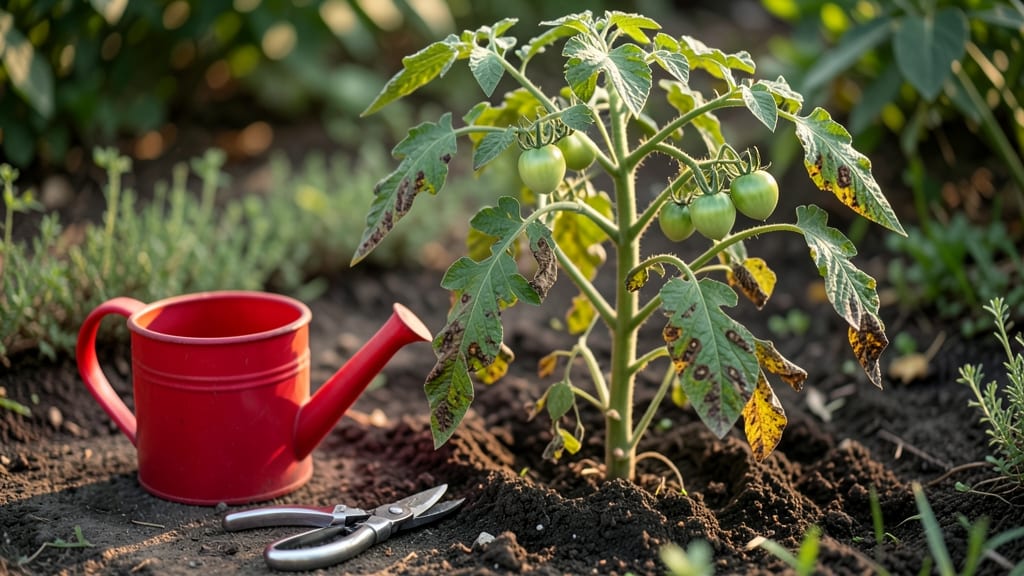
Common plant problems like wilting, pests, and stunted growth can feel like a losing battle—until you learn the power of companion planting. 🌱 I’ve turned around struggling plants by pairing them with the right neighbors, and the results are shockingly lush.
The trick isn’t just adding plants; it’s choosing the right team to crowd out pests, improve soil, and boost health naturally.
Take my tomato plants, for example—they went from wilting by noon to thriving all day after I tucked in basil nearby. That’s because companion plants don’t just coexist; they actively support each other.
Marigolds deter nematodes, nasturtiums distract aphids, and borage attracts pollinators while repelling tomato hornworms. No more reaching for harsh chemicals when the solution is already growing in your garden.
You’ll see the difference within weeks: fewer pests gnawing on leaves, stronger stems holding up against heat stress, and soil that stays moist longer. The best part? These fixes work for both outdoor beds and indoor pots.
Once you master the pairings, your garden becomes a self-regulating ecosystem—less work, more beauty, and plants that actually stay happy.
Whether you’re dealing with leggy seedlings, chewed foliage, or plants that refuse to grow, the right companions turn problems into opportunities. Let’s get those plants thriving the natural way—no guesswork, just results.
Root Causes of Plant Struggles
Understanding why plants develop issues like wilting, pest infestations, or stunted growth starts with identifying the hidden triggers lurking in soil, air, or even your watering habits. Let’s break down the science behind these common plant problems—so you can tackle them at the source.
Plants need water, but too much of a good thing can suffocate roots.
When soil stays soggy for days, oxygen can’t reach the roots, leading to: - Root rot (a fungal infection that turns roots mushy and brown). - Wilting (even when soil is wet—because roots can’t absorb nutrients). - Yellowing leaves (a sign of oxygen starvation).
Why it happens:
- Compacted soil traps water like a sponge, blocking airflow.
- Clay-heavy soil drains poorly, holding moisture against roots.
- Overzealous watering (especially with no drainage holes in pots).
💡 Pro Tip: Stick your finger 1 inch into the soil—if it’s damp, wait. If it’s dry, water deeply but let excess drain away within 30 minutes.
Plants are like teenagers—they crave nutrients but often get a diet of empty calories (or none at all). Common deficiencies include:
- Nitrogen (N) deficiency → Pale yellow leaves (chlorosis).
- Phosphorus (P) deficiency → Stunted growth, purple stems.
- Potassium (K) deficiency → Weak stems, brown leaf edges.
Why it happens:
- Nutrient depletion from repeated plantings without replenishment.
- pH imbalances (too acidic or alkaline) lock out nutrients.
- Poor soil structure (sandy soil washes away nutrients; clay binds them tightly).
🔥 Fix It: Test your soil’s pH (aim for 6.0–7.0 for most plants) and amend with compost or organic fertilizers like fish emulsion or bone meal.
Pests and pathogens don’t just appear—they’re invited by weak plants or ideal conditions. Common culprits:
- Aphids thrive in soft, new growth (they love tender leaves!).
- Powdery mildew spreads in humid, shaded areas.
- Root maggots target overwatered, nutrient-poor soil.
Why it happens:
- Stressed plants (from drought, overwatering, or poor light) are easier targets.
- Monoculture gardening (planting the same species repeatedly) attracts pests.
- Poor airflow (crowded plants trap moisture, inviting fungi).
✨ Prevent It: Space plants for air circulation, remove infected leaves immediately, and introduce natural predators like ladybugs or neem oil.
Plants are sun-worshippers or shade-lovers—but get them wrong, and they’ll rebel:
- Leggy, weak stems → Not enough light (etiolation).
- Brown, crispy leaves → Too much direct sun (sunburn).
- Slow growth in winter → Temperature drops below their tolerance.
Why it happens:
- Incorrect placement (e.g., succulents in shade, ferns in full sun).
- Seasonal changes (indoor plants near drafty windows).
- Artificial light issues (LED bulbs lacking full-spectrum light).
🎯 Solution: Research your plant’s light needs (e.g., "full sun" = 6+ hours of direct light) and adjust gradually to avoid shock.
Plants absorb more than just water—salt buildup, heavy metals, and even household chemicals can poison them.
- White crust on soil → Salt accumulation from tap water or fertilizers.
- Blackened leaves → Fluoride or chlorine toxicity (from tap water).
- Stunted growth → Soil contaminated with pesticide residues or lead.
Why it happens:
- Hard water (high in minerals) leaves salt deposits.
- Synthetic fertilizers over time alter soil chemistry.
- Nearby pollution (car exhaust, herbicide drift).
💪 Clean It Up: Use rainwater or filtered water, flush soil with plain water, and test for contaminants if plants decline mysteriously.
Even well-cared-for plants can suffer from human error:
- Broken stems → Overhandling or wind exposure.
- Scorched leaves → Using hot tools (like shears) or boiling water nearby.
- Root trauma → Rough repotting or compacted soil from walking on beds.
Why it happens:
- Lack of support (tall plants topple in storms).
- Improper pruning (cutting too close to the stem).
- Mechanical stress (e.g., dragging pots instead of lifting).
🔪 Handle with Care: Use clean, sharp tools, stake tall plants, and water before repotting to minimize root shock.
Quick Fixes for Plant Struggles
Reviving and protecting your plants doesn’t have to be a guessing game. Whether your greenery is wilting, battling pests, or just refusing to grow, companion plants and simple care tweaks can turn things around.
Below, we’ve mapped out practical solutions for common plant problems—plus prevention tips to keep your garden thriving long-term.
Cause: Overwatering, underwatering, root rot, or stress from heat/sun.
How to Fix It: 💧 Check the Soil First
- Stick your finger 1 inch deep into the soil. If it’s soggy, you’re overwatering. If dry, it’s time to hydrate.
- Solution: Let soil dry slightly between waterings. For root rot, trim affected roots with sterilized scissors and repot in fresh, well-draining soil.
☀️ Adjust Light & Airflow
- Move plants to indirect light if leaves are crispy (too much sun) or mushy (too little).
- Pro Tip: 🌡️ Mist leaves in dry climates or place a pebble tray under pots to boost humidity.
🌿 Companion Plant Rescue
- Pair wilting herbs (like basil) with marigolds (repel pests) or bush beans (improve soil nitrogen).
- Prevention: Plant self-watering companions like strawberries (they shade soil) or lettuce (keeps roots cool).
Cause: Aphids, spider mites, or fungus gnats—often drawn to stressed plants.
How to Fix It: 🔥 Blast Off Pests Naturally
- Neem oil spray (1 tbsp neem oil + 1 tsp dish soap + 1 quart water) smothers soft-bodied pests like aphids.
- DIY garlic spray: Blend 2 garlic cloves + 1 tsp cayenne + 1 quart water. Strain and spray on leaves.
🌿 Plant Bodyguards
- Marigolds (repel nematodes), nasturtiums (trap aphids), or basil (keeps flies away) are must-haves near vulnerable plants.
- Prevention: Interplant strong-scented herbs (mint, rosemary) to mask plant smells that attract pests.
🧹 Manual Removal (Yes, Really!)
- Drop pests in soapy water (not the garden!) to eliminate them immediately.
- Yellow sticky traps catch flying insects like whiteflies—place near affected plants.
Cause: Nutrient deficiency, compacted soil, or root-bound plants.
How to Fix It: 💪 Feed the Soil, Not Just the Plant
- Epsom salt boost: Mix 1 tbsp magnesium sulfate in a gallon of water and water the soil (great for leafy greens).
- Compost tea: Brew 1 cup compost + 5 gallons water for 24 hours, then strain and use as fertilizer.
🌱 Loosen the Roots
- If roots are circling the pot, gently tease them apart when repotting and add perlite or vermiculite for aeration.
- Companion hack: Plant clover or alfalfa nearby—they fix nitrogen in the soil naturally.
🌿 Rotate & Diversify
- Crop rotation: Avoid planting the same family (e.g., tomatoes, peppers) in the same spot yearly to prevent disease buildup.
- Prevention: Mix in worm castings or fish emulsion at planting time for a slow-release nutrient boost.
Cause: Sudden temperature swings, frost, or scorching sun.
How to Fix It: 🔥 Shield from Extremes
- Frost? Cover plants with frost cloth or a lightweight blanket (remove during the day).
- Heatwave? Use shade cloth (30-50%) or mulch with straw to keep roots cool.
🌿 Smart Pairings for Stability
- Cold-hardy companions: Plant garlic or onions near heat-loving peppers—they thrive in different temps but support each other.
- Prevention: Choose native plants or varieties bred for your climate (e.g., heat-tolerant okra or cold-resistant kale).
💡 Pro Tip for All Problems: Observe your plants daily! Yellow leaves? Check watering. Sticky residue? Inspect for pests. Companion planting isn’t just about fixing issues—it’s about creating a balanced ecosystem where plants support each other before problems even start.
Ready to revive your garden? Pick your plant’s biggest struggle and start with one fix—your greenery will thank you! 🌿✨
Frequently asked questions
Why do my plants suddenly start wilting even when the soil feels moist?
Wilting with damp soil usually signals root rot or oxygen starvation from overwatering. Check for mushy brown roots—if present, trim them and repot in fresh, well-draining soil. Companion plants like marigolds can help by improving soil aeration naturally.
How can I tell if my plant has a pest problem before it's too late?
Look for sticky residue (honeydew from aphids), tiny webs (spider mites), or chewed leaves. Start with a neem oil spray (1 tbsp oil + 1 tsp soap per quart of water) and add nasturtiums nearby—they act as pest traps.
What's the best way to fix yellow leaves on my houseplants?
Yellow leaves often mean overwatering or nutrient deficiency. Let soil dry completely between waterings and flush the pot with water to remove excess salts. Add compost tea (1 cup compost + 5 gallons water) or plant clover nearby to boost soil nitrogen.
Can companion plants really prevent diseases like powdery mildew?
Marigolds and garlic release natural fungicides that suppress mildew spores. Space plants for airflow and interplant with basil—its strong scent deters fungal growth while improving tomato flavor.
Why do my new plants always struggle after repotting?
Transplant shock comes from root disturbance or poor drainage. Water before repotting to reduce stress, use soil with perlite, and pair with self-watering companions like strawberries. Let them acclimate in indirect light for 1-2 weeks.