Watering
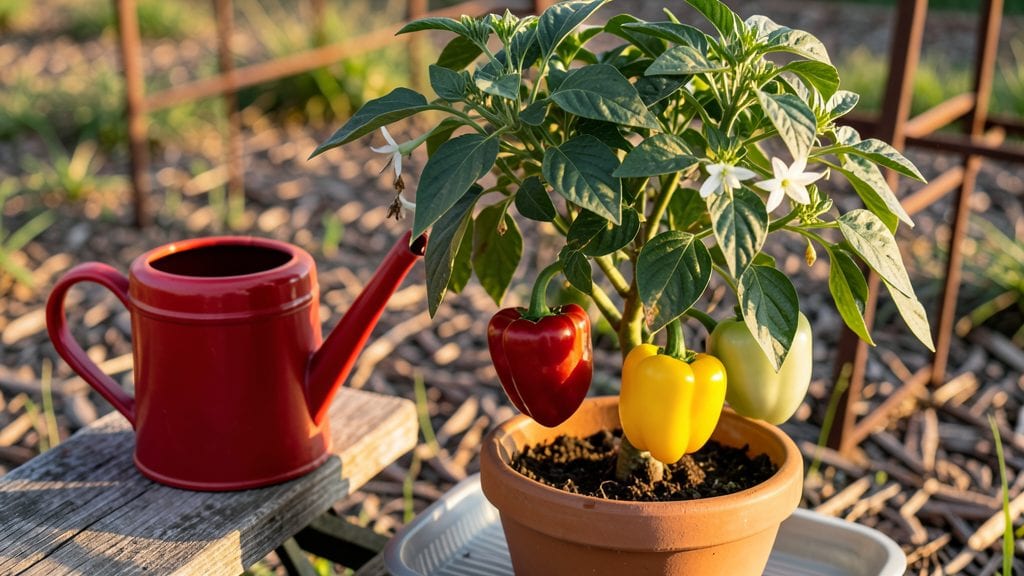
Overwatering pepper plants can turn your garden from thriving to tragic in days—yellow leaves, mushy stems, and a sad, droopy plant that won’t bounce back. 🌱 I’ve pulled mine out of this mess more times than I’d like to admit, and the fix isn’t as scary as it seems.
The key is catching it early and giving those roots the right conditions to recover.
Most gardeners overwater because we think peppers need constant moisture—wrong. Peppers hate soggy feet. Look for leaves turning yellow (especially the older ones), stems that feel soft or hollow, or soil that smells funky when you poke it.
That’s your plant screaming for help. The good news? With the right adjustments, peppers bounce back faster than you’d expect.
Start by letting the top inch of soil dry out completely before watering again—this alone cuts down on rot. If the roots are already struggling, trim away any blackened or mushy stems and repot in fresh, well-draining soil.
Within a week, you’ll see new green growth if the roots are still alive. It’s a quick turnaround if you act fast.
Prevent future disasters by watering deeply but less often—aim for about 1 inch of water per week, adjusting for rain. Mulch helps too, keeping moisture steady without drowning the roots.
Once you’ve mastered this, your peppers will reward you with bold flavors and fewer emergencies. Let’s get them back on track!
Root Causes Of Overwatered Peppers
Overwatering pepper plants isn’t just a gardening mistake—it’s often the result of well-intentioned but misguided habits. Understanding the why behind this common issue helps you avoid it in the future. Let’s break down the science and human factors that lead to soggy soil and stressed peppers.
Pepper plants thrive in well-draining soil because their roots need oxygen to absorb nutrients. When soil retains too much water—whether due to clay-heavy mixes, compacted earth, or a lack of organic matter—roots suffocate.
This creates a waterlogged environment, where beneficial microbes struggle to break down excess moisture, leading to: - Fungal infections (like Phytophthora or Pythium), which rot roots and stems. - Nutrient leaching, where essential minerals (like nitrogen and potassium) wash away before peppers can use them. - Root rot, a silent killer that starts at the base and spreads upward, often going unnoticed until the plant wilts or turns yellow.
Actionable fix: Test your soil’s drainage by filling a container with soil and water, then timing how long it takes to drain. If it takes more than 2–3 hours, amend with perlite, sand, or compost to improve aeration.
Peppers are drought-tolerant once established, but many gardeners confuse thirst for dehydration. Common missteps include: - Watering on a schedule instead of checking soil moisture (e.g., every Tuesday, regardless of weather). - Overreacting to wilting—peppers often droop in the heat but recover at night.
True stress from overwatering shows as yellowing leaves, mushy stems, or a foul odor near the base. - Using the "finger test" incorrectly: Sticking your finger 1–2 inches deep is standard, but if the soil feels damp all the way down, you’ve overdone it.
Pro tip: 💡 Wait until the top 1–2 inches of soil are dry before watering again. Use a moisture meter for precision, especially in pots.
Not all watering techniques are equal.
Some methods automatically deliver too much water, tricking gardeners into thinking their plants are happy when they’re not: - Automatic sprinklers or drip systems set too high (e.g., running for 10+ minutes at a time). - Watering from above (especially in hot sun), which causes evaporation loss and can splash soil-borne diseases onto leaves. - Using shallow containers (like small pots) without drainage holes, trapping excess water at the roots.
Fix: Switch to deep, infrequent watering—aim for 1–1.5 inches of water per week, delivered at the base of the plant (not the leaves). For pots, ensure they have drainage holes and elevate them to prevent soggy bottoms.
Mother Nature plays a role too.
Heavy rain, high humidity, or cool temperatures can amplify the effects of overwatering because: - Cool soil slows evaporation, keeping moisture trapped longer. - Humid air reduces the plant’s ability to transpire (release water vapor), making it harder to dry out. - Rainfall + manual watering can double the moisture input, overwhelming even well-draining soil.
Solution: 🌡️ Adjust your watering based on weather. Skip watering if rain is forecasted, and reduce frequency in humid climates. Mulch around plants to slow evaporation and keep roots cool.
Pots and planters are great for peppers, but not all are created equal.
Common mistakes: - Using unglazed clay pots without checking drainage (they can still hold too much water if overwatered). - Choosing containers too large for the plant’s current size—extra soil stays wet longer, promoting rot. - Plastic pots without drainage act like sponges, trapping moisture indefinitely.
Quick check: 🔍 If your pot feels heavy with water after a few days, it’s holding too much. Upgrade to fabric grow bags or pots with multiple drainage holes.
Too much fertilizer—especially high-nitrogen types—encourages lush foliage at the expense of roots. Weak roots can’t handle excess water, leading to:
- Soft, spongy stems that collapse easily.
- Slow growth despite frequent watering (the plant is struggling internally).
- Burnt roots from concentrated salts in soggy soil.
Fix: 🎯 Balance is key. Use a low-nitrogen, high-phosphorus fertilizer (like 5-10-10) when peppers are flowering/fruiting. Always water before fertilizing to dilute salts and prevent root burn.
Let’s be real—sometimes we water out of guilt, boredom, or love.
If your pepper plant looks sad, you might: - Water it daily "just to check on it." - Keep it indoors where humidity is high, and the soil never dries. - Compare it to thriving neighbors and overcompensate.
Mindset shift: 🌱 Peppers are resilient—they’d rather be underwatered than drowned. Treat them like a low-maintenance houseplant: water deeply, then wait.
Overwatering isn’t just about how much you water—it’s about when, how, and why. By addressing soil, signals, methods, environment, containers, nutrients, and even emotions, you’ll give your peppers the just-right moisture they crave. Next up: how to rescue an overwatered pepper plant before it’s too late!
Fix Overwatered Peppers Fast
Overwatering can turn your thriving pepper plants into a sad, soggy mess—but don’t panic! With the right steps, you can revive them and prevent future disasters. Below, we’ll match common overwatering symptoms to practical fixes, plus pro tips to keep your peppers happy and productive.
If your pepper leaves are turning yellow or wilting despite damp soil, root rot is likely the culprit. Act fast with these steps:
- Stop Watering Immediately 🚰
- Let the soil dry out completely before watering again. Check moisture by sticking your finger 1–2 inches deep—if it’s still damp, wait.
- Improve Drainage 🏗️
- Move pots to a raised tray or add gravel/perlite to the bottom of containers.
- For garden beds, amend soil with compost or sand to loosen compacted dirt.
- Prune Damaged Foliage ✂️
- Snip off yellow or blackened leaves to redirect energy to healthy growth.
- Fungicide Rescue (If Needed) 💊
- Spray with copper fungicide or a hydrogen peroxide mix (1 tbsp per quart of water) to fight root rot bacteria.
💡 Pro Tip: Water only when the top inch of soil is dry—peppers hate soggy roots!
Slow growth, weak stems, or drooping flowers/fruit? You’re likely drowning your plants. Try this:
- Water Deeply but Less Often 💧
- Morning watering (6–8 AM) lets foliage dry before evening, reducing rot.
- Aim for 1–1.5 inches per week (adjust for rain/climate).
- Check Your Containers 🏺
- Self-watering pots? Drain excess water from the reservoir.
- No drainage holes? Add them or switch to fabric grow bags.
- Mulch to Retain Moisture (Without Overdoing It) 🌿
- Use straw or wood chips (2–3 inches thick) to slow evaporation—but keep it away from stems to prevent rot.
⏰ Timing Matters: Avoid watering at night—cool temps + wet leaves = fungal party.
White, sunken spots on peppers? Calcium deficiency (often from inconsistent moisture) is the villain. Here’s how to fix it:
- Apply Epsom Salt or Calcium 🧂
- Mix 1 tbsp Epsom salt (magnesium sulfate) or crushed eggshells into the soil.
- For severe cases, use calcium nitrate (follow package rates).
- Water Consistently 📅
- Daily light watering (early in the day) is better than deep, infrequent soaks.
- Use drip irrigation or a soaker hose for even moisture.
- Boost Organic Matter 🍄
- Work in well-aged compost or worm castings to improve nutrient uptake.
🎯 Prevention: Test soil pH (aim for 6.0–6.8)—peppers need slightly acidic soil.
Once your peppers bounce back, lock in success with these habits:
- Upgrade Your Soil: Use fast-draining mixes (50% potting soil, 30% perlite, 20% compost).
- Monitor Weather: Adjust watering for rainy days or high heat (peppers need more water in summer!).
- Use a Moisture Meter: Skip guesswork—$10 meters save plants (and your sanity).
- Rotate Pots: Ensures even sun exposure and prevents waterlogged spots.
✨ Bonus Hack: Drip irrigation with a timer automates perfect watering—no more heroics!
Remember: Peppers are drought-tolerant—better to underwater slightly than drown them. With these fixes, your plants will rebound, and your harvest will be spicier than ever! 🌶️🔥
Frequently asked questions
How do I know if my pepper plant is overwatered vs. underwatered?
Check the soil first—if it's damp 1-2 inches deep, you're likely overwatering. Look for yellowing leaves (especially older ones), mushy stems, or leaves that feel limp even after watering. Underwatered peppers usually have crispy brown edges and dry soil pulling away from pot sides. The key difference? Overwatered plants smell sour or rotten near the base.
Can I save a pepper plant with root rot from overwatering?
Yes, but act fast! First, stop watering immediately and let the soil dry completely. Trim away any blackened roots and repot in fresh, well-draining soil with perlite or sand. For extra protection, apply a copper fungicide to prevent further rot. With proper care, healthy roots can regrow in 2-3 weeks. If the entire root system is mushy, the plant may not recover.
What's the best soil mix to prevent overwatering?
Use a blend of 50% potting soil, 30% perlite or vermiculite, and 20% compost. This creates air pockets that prevent waterlogging while retaining enough moisture. For containers, add a 1-inch layer of gravel at the bottom before soil to improve drainage. Avoid heavy garden soil or pure compost, which hold too much moisture.
How often should I water pepper plants in pots vs. garden beds?
Potted peppers need watering when the top inch of soil is dry—typically every 2-3 days in summer, but adjust based on pot size and weather. Garden peppers need 1-1.5 inches of water per week, delivered deeply at the base. The key is consistency: better to water deeply less often than shallow daily watering, which encourages shallow roots that dry out fast.
Will mulch help prevent overwatering?
Mulch actually helps prevent overwatering by slowing evaporation and keeping soil temperatures stable. Use 2-3 inches of straw or wood chips, but keep it 2 inches away from plant stems to prevent moisture buildup. The best mulches for peppers are organic materials that break down slowly, improving soil structure over time without smothering roots.