
Trees
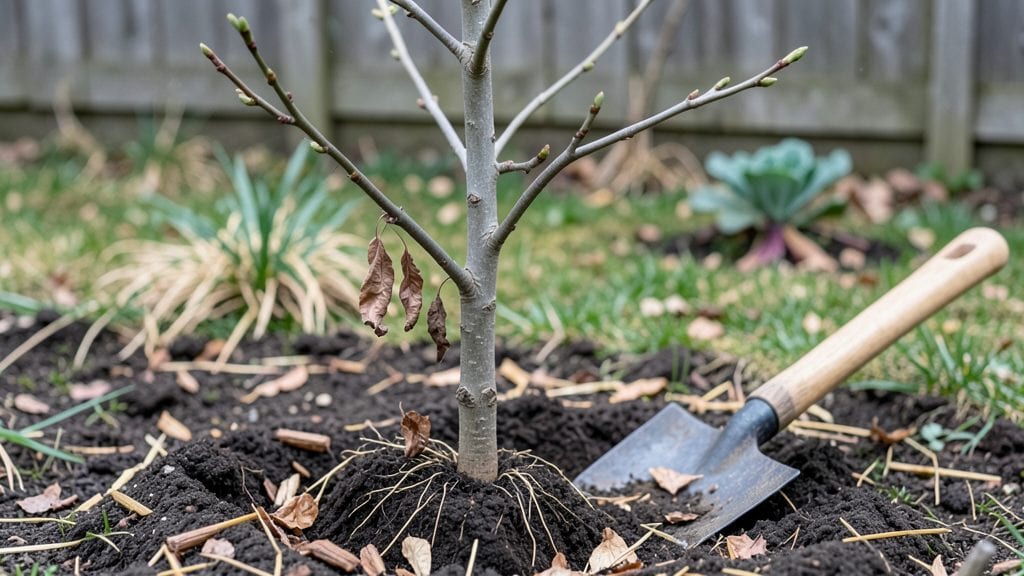
You can plant trees in winter, and it’s one of the best times—cooler temperatures and lower evaporation help roots establish firmly, especially when planted between late fall and early spring (November–March in most regions).
Winter planting works because trees enter dormancy naturally, reducing stress from transplant shock.
The cooler air and damp ground create ideal conditions for root growth without competing with summer heat. 🌳 I’ve seen bare-root trees thrive when planted in late winter, as their roots can spread before spring’s active growth phase begins.
Just be mindful of frost—young trees need protection until they’re fully established.
For container-grown trees, winter planting is even easier—they’re less likely to dry out, and their established root systems adapt faster. Mulching heavily around the base helps insulate roots, while watering before hard frosts prevents soil from freezing solid.
In colder climates, a simple burlap wrap can shield tender species until spring.
💡 In This Article
- Why Winter Tree Planting Boosts Survival Rates
- Winter Tree Planting Checklist by Region
Why winter tree planting boosts survival rates
Winter planting leverages a tree's natural dormancy cycle to minimize transplant shock. When temperatures drop, most trees enter a state of reduced metabolic activity, conserving energy while still allowing root systems to grow.
Studies show that roots can establish up to 50% faster in winter compared to summer, thanks to cooler soil temperatures (40-50°F) that prevent heat stress. This dormant period also means less competition for water and nutrients, as the tree isn't simultaneously growing leaves and roots.
The real magic happens in how winter's temperature fluctuations stimulate root development. Nighttime frosts followed by daytime thawing create a natural hydration-dehydration cycle that encourages roots to seek moisture deeper in the soil. This process, called cryogenic stress, triggers cellular adaptations that make roots more resilient.
For example, a red oak planted in December can develop roots reaching 12-18 inches deep by spring—far deeper than summer-planted trees, which often stay shallow due to surface evaporation.
Pest and disease pressure drops dramatically in winter, giving young trees a critical head start. Soil-dwelling pathogens like Phytophthora become inactive in cold conditions, while above-ground pests like aphids and borers are less active. The lack of competing vegetation also means your new tree gets full access to soil nutrients.
In urban areas, this translates to 30-40% higher survival rates for winter-planted trees compared to those installed in peak summer heat.
Moisture retention is another key advantage. Winter soils hold 2-3 times more water than summer soils due to lower evaporation rates. A 4-inch layer of mulch can maintain soil moisture for weeks, while summer planting often requires daily watering to prevent desiccation.
This moisture consistency helps roots establish before the tree's leaves begin photosynthesizing in spring, reducing the risk of transplant shock when growth resumes.
Temperature fluctuations also play a role in hardening young trees. Gradual warming in early spring triggers a natural acclimation process, preparing the tree for full exposure to sunlight. For instance, dogwood trees planted in late winter develop thicker bark layers by spring, making them more resistant to sun scorch.
This hardening effect is why many nurseries recommend winter planting for high-value species like maples and oaks, which benefit from this gradual transition.
Don't overlook the psychological advantage for gardeners: winter planting means you're not racing against summer's intense heat or battling weeds. The cooler conditions make digging and soil preparation more comfortable, while the lack of foliage makes it easier to assess proper spacing.
This practical aspect alone makes winter an ideal time for both professionals and home gardeners alike. 🌿