
Planting
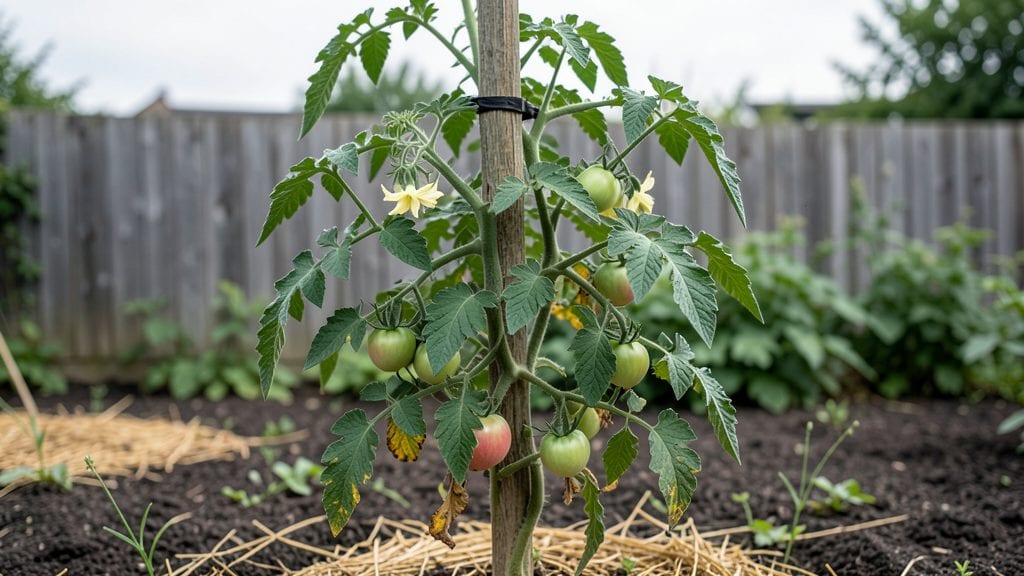
The Blush tomato plant delivers sweet, sun-ripened fruit in a compact package—perfect for balconies, patios, or small gardens where space is tight. I fell for this variety after my first harvest: those pink-blushed tomatoes taste like summer in every bite, and the plants stay manageable even in 5-gallon containers.
The secret lies in their bushy growth habit, which means fewer stakes and more room for other plants.
Start with well-draining soil mixed with compost, and place your Blush tomatoes where they’ll get 6-8 hours of sunlight daily—morning sun and afternoon shade work best in hot climates. Water consistently at the base (not the leaves) to prevent cracking, and pinch off early flowers if seedlings look stressed.
Prune suckers regularly to keep energy focused on fruit production, not leafy growth.
By midsummer, you’ll be harvesting 2-3 pounds of tomatoes per plant, their flavor deepening as they blush pink in the sun. The plants resist common diseases better than many heirlooms, but watch for blossom end rot—calcium-rich soil prevents that classic saucer-shaped blemish.
With proper care, these tomatoes keep producing until frost.
Even urban gardeners with limited space can grow Blush tomatoes—just choose the right container and follow these steps. The payoff? Homegrown tomatoes that taste like nothing store-bought can match, all from plants that fit neatly on a deck or windowsill. Let’s get those seeds (or seedlings) in the ground!
📚 In This Guide
- What you need
- Instructions
- Tips and common mistakes
- Wrapping up and next steps
What you need
- ● Blush tomato seeds or seedlings: Choose disease-resistant varieties like 'Blush' or 'Mountain Merit' (3-5 plants for a small harvest).
- ● Containers or garden plot: 5-gallon pots (1 per plant) or
- ● Fabric grow bags (5-gallon size)
- ● Raised bed (minimum 12" deep, 18" spacing between plants)
- ● High-quality potting mix: 1 bag (1-2 cubic feet) with added compost or organic matter (avoid garden soil).
- ● Tomato cages or stakes: 4-5 ft tall (1 per plant) or strong twine for trellising.
- ● Gloves & trowel: For planting and soil prep.
- ● Watering can or hose with gentle nozzle: Blush tomatoes need consistent moisture.
- ● Fertilizer: Balanced organic fertilizer (10-10-10) or
- ● Slow-release tomato fertilizer tablets (1 per pot).
- ● Pruning shears: For trimming suckers and dead leaves.
- ○ Mulch (optional): Straw or shredded leaves to retain moisture and suppress weeds.
- ● Sunlight access: 6-8 hours of direct sunlight daily (south-facing window or balcony).
- ● Self-watering system for consistent hydration.
- ● Grow lights (LED, full-spectrum) if natural light is limited.
- ● Plant markers for tracking varieties.
- ● Companion plants (basil, marigolds) to deter pests.
Step-by-step guide to growing Blush tomatoes in small spaces
Blush tomatoes thrive even in tight areas—here’s how to coax sweet, sun-ripened fruit from dwarf varieties.
Select the Right Container and Prepare the Growing Medium
Choose a 5-gallon container with drainage holes—Blush tomatoes need room for roots to spread but won’t outgrow this size. Fill the bottom third with a fast-draining mix like perlite or coarse sand to prevent waterlogging. This ensures excess moisture drains away while keeping roots aerated.
Next, add 2 gallons of high-quality potting mix enriched with compost. Blush tomatoes prefer slightly acidic soil, so mix in a handful of worm castings for microbial activity. Press the soil down gently but firmly—you want it settled enough to support the plant but loose enough for roots to penetrate easily.
Plant the Transplant and Provide Initial Support
Remove the Blush tomato from its nursery pot and loosen the root ball if it appears compacted. Position it in the center of the container, ensuring the stem sits just below the soil line—burying too deep can cause rot, while planting too shallow exposes roots to drying air.
Install a 3-foot tall tomato cage or sturdy stakes immediately after planting. Blush tomatoes grow determinate (bush-type) but still need support to prevent sprawling. Gently press the soil around the base to secure the plant, then water deeply until moisture reaches the bottom of the container. You’ll know it’s enough when water runs freely from the drainage holes.
☀️ Step 3: Position for Maximum Sunlight and Water Consistently
Place your Blush tomato in a location with full sun exposure (6-8 hours daily)—a south-facing window or balcony works well. If growing indoors, supplement with a grow light positioned 6 inches above the plant for 14 hours daily. Without enough light, leaves will yellow and fruit won’t ripen properly.
Water when the top 1-2 inches of soil feel dry—Blush tomatoes dislike soggy roots but also can’t handle drought stress. Use room-temperature water to avoid shocking the plant, and always water at the base to prevent fungal diseases. Mulch with 1 inch of straw to retain moisture and suppress weeds, but avoid piling it against the stem.
✂️ Step 4: Prune and Maintain for Optimal Fruit Production
Once the plant reaches 18 inches tall, begin pruning to focus energy on fruit production. Remove suckers (side shoots) that form in the leaf axils—these compete with the main stem for nutrients. Use clean pruners to make cuts just above a leaf node, and discard diseased or yellowed leaves immediately to prevent spread.
Pinch off the first few blossoms if the plant looks stressed—this encourages stronger growth before flowering. Once fruit sets, reduce pruning to avoid shocking the plant. Harvest Blush tomatoes when they turn pinkish-red and slightly soft to the touch—they won’t ripen further off the vine.
⏰ Step 5: Extend the Season with Careful Winter Prep
As temperatures drop below 50°F, move the container indoors near a sunny window or under grow lights. Reduce watering slightly but keep the soil lightly moist—Blush tomatoes go dormant in winter but benefit from consistent care. Prune back any leggy growth and fertilize lightly with a balanced 10-10-10 formula to prepare for the next growing season.
Clean the container thoroughly before storing it, and inspect the plant for pests. If you notice any damage, treat with neem oil before overwintering. With proper care, your Blush tomato can produce fruit for multiple seasons, making it a rewarding compact variety for small spaces.
Tips & tricks for perfect Blush tomato plants in small spaces
Mastering the art of growing Blush tomatoes in limited spaces takes attention to detail—these insights will help you avoid common pitfalls and maximize your harvest.
Container Selection: While a 5-gallon container works perfectly, consider using fabric grow bags for even better root aeration. These breatheable containers prevent waterlogging while still providing the necessary support for Blush tomato roots. If using traditional pots, ensure they have drainage holes—this is non-negotiable for preventing root rot, which can devastate your plant in just days.
Light Optimization: The 6-8 hours of sunlight requirement is crucial, but quality matters as much as quantity. Position your plant where it receives direct sunlight during the peak hours of 10 AM to 4 PM. For indoor growers, supplement with a full-spectrum LED grow light positioned exactly 6 inches above the plant—closer distances can scorch leaves while greater distances reduce effectiveness. Remember to adjust the light height as your plant grows to maintain this distance.
Pruning Strategy: When your Blush tomato reaches 18 inches, focus your pruning efforts on removing suckers that form in the leaf axils. These side shoots divert energy from fruit production. Use clean pruners to make precise cuts just above a leaf node—this encourages branching at that point. I've found that pruning in the early morning allows any wounds to heal during the day, reducing the risk of disease entry points.
Season Extension: The 50°F threshold for moving indoors is your guide, but don't wait until the last moment. Begin monitoring temperatures when nighttime lows consistently approach 55°F. At this point, move your plant to a sunny indoor location and gradually reduce watering. The goal is to maintain just enough moisture to keep the plant dormant but alive—overwatering during winter storage can lead to root rot even in cooler conditions.
Pro Tips for Blush Tomato Plant
- Mastering the art of growing Blush tomatoes in limited spaces takes attention to detail—these insights will help you avoid common pitfalls and maximize your harvest.
- Container Selection: While a 5-gallon container works perfectly, consider using fabric grow bags for even better root aeration.
- Light Optimization: The 6-8 hours of sunlight requirement is crucial, but quality matters as much as quantity.
Frequently asked questions
Got questions about growing blush tomato plants? You’re not alone! Here are answers to the most common queries to help you cultivate a thriving harvest—even in small spaces.
How long does it take for a blush tomato plant to produce fruit?
Blush tomatoes typically take 60–85 days from transplanting to harvest, depending on your climate and growing conditions. If you start seeds indoors 6–8 weeks before the last frost, you’ll likely see ripe fruit by mid-to-late summer. Patience pays off—these beauties are worth the wait!
Can I grow blush tomatoes in containers, or do they need a garden bed?
Blush tomatoes thrive in containers 5+ gallons with proper drainage. Use a lightweight potting mix, stake or cage the plant, and place it in a sunny spot (6+ hours of light). Just ensure the pot stays moist but not soggy—container-grown tomatoes need consistent watering.
What are the most common pests or diseases affecting blush tomato plants?
Watch for aphids, hornworms, and whiteflies (use neem oil or handpick pests). Fungal issues like blight or powdery mildew can strike if humidity is high. Improve airflow, avoid overhead watering, and remove infected leaves immediately. Prevention is key!
Do blush tomatoes need pruning? How do I do it right?
Yes! Prune suckers (shoots between the stem and branches) to focus energy on fruit production. Use clean scissors to snip just above a leaf. Avoid over-pruning—leave 3–4 main stems for compact varieties. Pro tip: Prune in the morning when plants are dry to reduce disease risk.
Why are my blush tomatoes cracking, even though they’re ripe?
Cracking usually happens due to uneven watering—soaking dry soil, then drying out again. Keep the soil consistently moist (1–2 inches deep) and mulch to retain moisture. Blush tomatoes are prone to this, but proper hydration keeps them plump and delicious!
Wrapping up and next steps
Growing blush tomato plants in compact spaces is a rewarding journey that brings vibrant flavors and lush greenery to your home—no sprawling garden required! 🌱 Whether you're a seasoned gardener or just starting, these sun-kissed beauties prove that big harvests thrive in small spaces with the right care.
Now that you’re armed with tips on materials, troubleshooting, and FAQs, it’s time to roll up your sleeves and plant your seeds of success.
Ready to turn your balcony, patio, or windowsill into a thriving tomato oasis? Start by choosing your containers and soil—then watch your blush tomato plants flourish into a delicious, homegrown reality! 🍅✨