
Plants
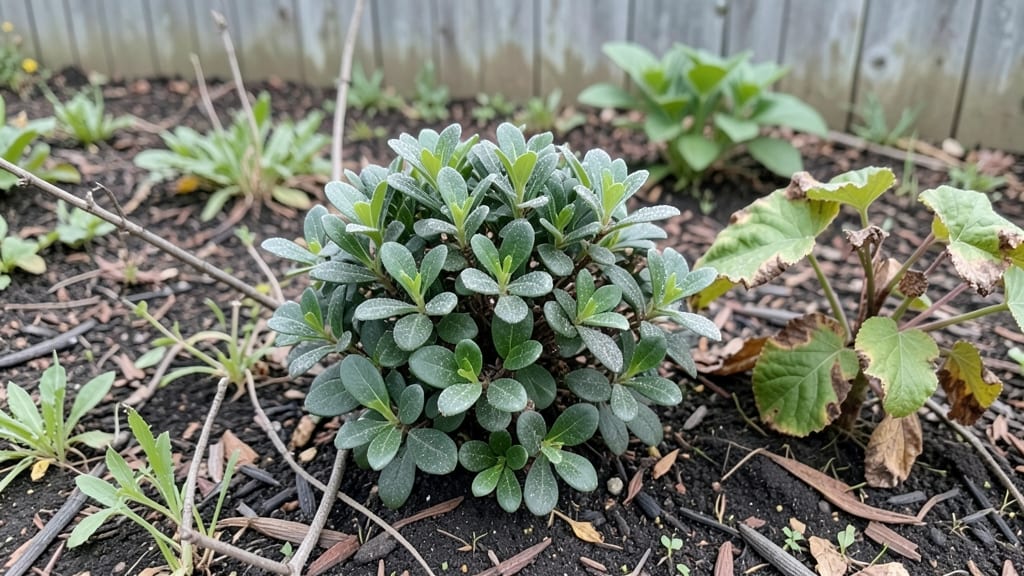
Can boxwood blight spread to other plants, and once it takes root, your entire landscape becomes vulnerable. I’ve seen it turn a perfectly manicured yard into a patchwork of browned leaves and struggling shrubs—it’s heartbreaking, but there’s a way to stop it before it spreads.
The fungus behind this disease doesn’t just target boxwoods; it can jump to other woody plants like holly, camellia, and even some evergreens if you’re not careful. The spores hitch rides on wind, water, and contaminated tools, turning your garden into a ticking time bomb.
The good news? You can contain it before it becomes a full-blown crisis. Start by isolating infected plants at least 10 feet away from healthy ones—this gives you breathing room to work without panic. Sterilizing pruners with a 10% bleach solution or rubbing alcohol after every cut is non-negotiable.
Even a tiny speck of spore can turn your rescue efforts into a disaster. I learned this the hard way when a single overlooked tool infected three more shrubs in my front yard.
Once you’ve contained the outbreak, focus on treating the blight itself. Organic options like neem oil sprays or copper fungicides can help, but act fast—these diseases thrive in damp, shady conditions. Remove all infected leaves and debris immediately, and avoid overhead watering, which spreads spores like confetti in a breeze.
With vigilance, you can save your garden and keep those spores from turning into a full-blown epidemic.
This isn’t just about boxwoods—it’s about protecting every plant in your yard. The key is catching it early, acting decisively, and staying one step ahead of the fungus.
Trust me, your garden will thank you when those green leaves stay lush and disease-free all season long. Let’s get to work before it’s too late.
How Fungal Pathogens Jump Plants
Boxwood blight (Cylindrocladium pseudonaviculatum and Calonectria pseudonaviculata) spreads like wildfire—not because it’s picky, but because it’s opportunistic. This fungal disease doesn’t discriminate; it thrives on moisture, wind, and human activity, turning your garden into a potential hotspot.
Understanding why it jumps from boxwood to other plants is the first step to stopping it in its tracks. Here’s the science behind the chaos:
Fungi love moisture—like, obsessively. Boxwood blight spores germinate and spread fastest when leaves stay damp for prolonged periods (think 12+ hours). Here’s how it happens:
- Spores hitchhike on water droplets: Rain, overhead irrigation, or even morning dew can splash spores from infected leaves onto nearby plants. Splash dispersal is a fungal superpower—like a microscopic game of telephone, but with deadly results.
- Humidity fuels spore production: At 70–90% humidity, the fungus releases millions of spores per day. These spores are lightweight and travel via wind or water to land on susceptible hosts.
- Poor drainage = fungus party: Compacted soil or shallow-rooted plants (like azaleas, hollies, or even some perennials) trap moisture at the base, creating a perfect breeding ground for the pathogen.
Actionable fix: Space plants for airflow, avoid overhead watering, and use drip irrigation to keep foliage dry. 💡 Pro tip: Mulch with gravel or bark chips (not organic mulch) to improve drainage.
Boxwood blight doesn’t just wait for plants to come to it—it launches itself. Wind, pollinators, and even garden tools can catapult spores across your yard. Here’s the breakdown:
- Windborne spores: Mature spores are light enough to drift up to 100 feet on a breezy day. If your garden has windbreaks (like tall shrubs or trees), they can trap spores and concentrate the problem.
- Bees, butterflies, and birds: While they don’t spread the disease directly, they land on infected leaves and carry spores to other plants on their bodies. Think of them as unwitting spore taxis.
- Garden tools and clothing: Pruners, gloves, and even your shoes can pick up spores from infected plants and deposit them elsewhere. Tool contamination is a top cause of blight spread in home gardens.
Actionable fix:
- ✂️ Sanitize tools with 70% isopropyl alcohol or a 10% bleach solution between uses.
- 🌿 Remove windbreaks if they’re harboring infected foliage.
- 🐝 Avoid pruning during rainy weather—wait until leaves are dry to reduce spore release.
Let’s be real—you might be the biggest culprit. Boxwood blight spreads exponentially when gardeners unknowingly move infected material. Here’s how:
- Composting infected leaves: Fungi survive composting and can reinfect plants when the compost is reused. Don’t compost boxwood blight symptoms!
- Sharing or trading plants: Infected cuttings, divisions, or nursery stock can introduce blight to a blight-free garden. Even asymptomatic plants can carry spores.
- Mulching with infected debris: Leaving fallen leaves or pruned branches under plants traps moisture and spores, creating a feedback loop of infection.
Actionable fix:
- 🚫 Bag and dispose of infected plants in sealed plastic bags (not compost or green waste bins).
- 🔍 Inspect new plants for dark spots or leaf drop before bringing them home.
- 🧹 Clean up debris immediately—remove fallen leaves and prunings daily during outbreaks.
Not all plants are equal in the eyes of boxwood blight. While it prefers boxwoods, it can colonize other hosts, especially those with soft, thin leaves or high moisture retention. Common bridge plants include:
- Evergreens: Holly, camellia, and pieris (these share similar leaf structures to boxwood).
- Perennials: Hosta, astilbe, and ferns (their broad leaves trap moisture).
- Weakened woody plants: Stressed trees or shrubs (like oak or maple) are easier targets.
Why it matters: If blight jumps to a hardier host, it can overwinter in the soil or plant debris, ready to re-infect next season. 💡 Pro tip: Monitor high-risk plants near infected boxwoods for early signs (dark spots, leaf drop, or target-like lesions).
Stopping Boxwood Blight Before It Spreads
Boxwood blight is a sneaky disease that can turn your lush garden into a battleground if left unchecked. The good news? With the right steps, you can quarantine infected plants, sterilize tools, and strengthen your garden’s defenses to prevent further damage.
Here’s how to tackle the problem head-on, cause by cause.
If you spot dark brown or black leaf spots, yellowing foliage, or dieback on your boxwoods, act fast. The fungus Calonectria pseudonaviculata spreads through spores, so delaying removal risks contaminating nearby plants.
- 🔪 Prune infected branches – Use clean, sharp shears to cut away and dispose of (not compost) affected parts. Bag them in a sealed plastic bag for trash pickup.
- 🌳 Dig up severely infected plants – If more than 30% of the plant is damaged, removal is the safest option. Do not leave stumps—they can harbor spores.
- 🚫 Avoid shaking or dragging plants – This releases spores into the air, increasing spread risk.
> 💡 Pro Tip: Wear gloves and a mask when handling infected plants to avoid accidental transfer of spores to other areas of your garden.
Fungal spores can linger on pruners, gloves, and even garden hoses. A thorough cleaning breaks the infection chain.
- 🧴 Clean tools between uses – Wipe blades with a 10% bleach solution (1 part bleach to 9 parts water) or 70% rubbing alcohol. Rinse and dry completely.
- 🧺 Disinfect work surfaces – Spray benches, pots, and potting soil with bleach solution or hydrogen peroxide (3%) before and after use.
- 🚿 Wash hands thoroughly – Soap and warm water remove spores from skin.
> ✨ Prevention Hack: Keep a small spray bottle of diluted bleach (1:9 ratio) in your gardening shed for quick tool sterilization.
Boxwood blight thrives in wet, humid conditions. Improving airflow and drying leaves faster reduces its spread.
- 💧 Water at the base, not overhead – Use drip irrigation or soaker hoses to keep foliage dry. Water early in the day so leaves have time to dry.
- 🌬️ Space plants properly – Thin out overcrowded boxwoods or other susceptible shrubs (like buxus or camsis) to improve airflow.
- 🌿 Prune for sunlight access – Remove dense branches to allow air and light to circulate through the plant.
> 🎯 Long-Term Tip: Mulch with gravel or bark chips (not thick organic mulch) to reduce soil moisture around the base of plants.
Even if your boxwoods are blight-free, nearby plants can still catch the fungus. Take these steps to build resistance.
- 🍄 Apply fungicides preventively – Use a copper-based fungicide (like Copper Soap) or a biological control such as Serenade Garden (containing Bacillus subtilis) every 2–4 weeks during wet seasons.
- 🌱 Choose resistant varieties – Opt for boxwood cultivars like ‘Green Velvet’ or ‘Winter Gem’, which show better blight resistance.
- 🚫 Avoid planting susceptible species nearby – Keep boxwoods away from holly, camellias, and other Buxaceae family plants, which are also vulnerable.
> 🔥 Emergency Move: If blight appears in a high-risk area (like a nursery or shared garden space), isolate new plants for 2–4 weeks before introducing them to your garden.
Leaving infected plant material in your garden is like leaving a fungal time bomb. Proper disposal stops reinfection.
- 🗑️ Bag and trash infected clippings – Place them in sealed plastic bags and dispose of them in the trash (not compost or green waste bins).
- 🔥 Burn debris (where legal) – If burning is permitted in your area, this can eliminate spores. Follow local regulations.
- 🌱 Replace contaminated soil – If blight has spread to the soil, remove the top 2–3 inches and replace it with fresh, sterile potting mix.
> 🌡️ Heat Treatment: For heavily contaminated tools or pots, soak them in boiling water for 30 minutes to kill spores effectively.
By following these steps, you’ll minimize the risk of boxwood blight spreading to other plants and give your garden a fighting chance. Stay vigilant—early action is your best defense!
Frequently asked questions
What other plants can boxwood blight infect besides boxwood?
Boxwood blight can spread to other woody plants and evergreens, especially those in the same family or with similar leaf structures. High-risk plants include holly, camellia, pieris, and even some perennials like hosta. The fungus targets plants with soft, thin leaves that retain moisture, creating ideal conditions for spore growth.
How quickly can boxwood blight spread to nearby plants?
Under ideal conditions (high humidity and frequent rain), spores can travel up to 100 feet via wind or water within 24-48 hours. The spread accelerates when infected leaves remain wet for prolonged periods, allowing spores to splash onto neighboring plants. Early detection and removal of infected foliage are critical to slowing transmission.
Can boxwood blight survive in the soil and reinfect plants next season?
Yes, the fungus can overwinter in soil or infected plant debris, remaining dormant until conditions become favorable. If left untreated, it can reinfect boxwoods or other susceptible plants in spring. Removing all infected material and improving drainage are key to breaking the cycle.
What’s the best way to sterilize garden tools to prevent spread?
Use a 10% bleach solution (1 part bleach to 9 parts water) or 70% rubbing alcohol to wipe down pruners, shears, and other tools between uses. Soak tools for 30 seconds, then rinse and dry thoroughly. For a deeper clean, boil tools in water for 30 minutes to kill all spores.
Are there organic treatments to stop boxwood blight from spreading?
Yes! Neem oil or copper fungicides (like copper soap) can help suppress spores when applied preventively. Biological controls like Bacillus subtilis-based sprays (e.g., Serenade Garden) also strengthen plant resistance. Combine these with proper sanitation for best results.