
Blooming
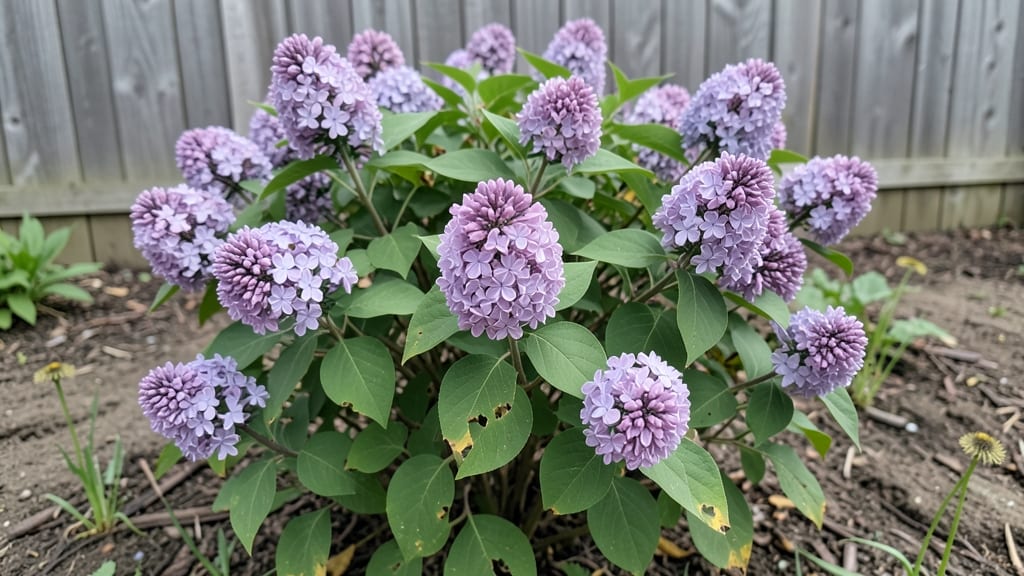
The Bloomerang lilac plant delivers fragrance that lasts all year with almost no pruning work—something I never thought possible until I grew mine. 🌿 That first whiff of lavender-sweet blooms in early spring convinced me this wasn’t just another shrub, but a game-changer for low-maintenance gardens.
The secret lies in its reblooming nature and compact growth habit, which means fewer dead stems and more flowers.
This lilac thrives in full sun with well-draining soil, but it’s surprisingly adaptable—even my heavy clay soil works as long as I add compost. Watering’s simple: deep soaks once a week during dry spells, and that’s it.
The real magic happens when you skip the harsh pruning most lilacs demand. Just trim spent blooms in late summer, and it rewards you with another flush of flowers before winter.
By next spring, you’ll have a shrub bursting with fragrant blooms that attract bees and fill your yard with that classic lilac scent. The best part? It stays compact enough for small yards but tough enough to handle neglect. Even my black thumb keeps this one alive—no fuss, just fragrance.
Whether you’re a beginner or a seasoned gardener, this lilac proves you don’t need a formal garden to enjoy old-fashioned fragrance. The key is planting it right and letting it grow naturally.
Here’s how to make it thrive with minimal effort—so you can spend more time smelling those blooms and less time pruning.
📚 In This Guide
- What you need
- Instructions
- Tips and common mistakes
- Wrapping up and next steps
What you need
- ● Bloomerang Lilac Plant: 1-3 Syringa 'Bloomerang' bareroot or container-grown plants (3-4 ft tall at maturity)
- ● Choose disease-resistant varieties (e.g., 'Bloomerang' or 'Bloomerang Pink').
- ● Planting Site: Full sun (6+ hours/day) or partial shade (4-6 hours).
- ● Well-draining soil (amend with compost if clay-heavy).
- ● Space: 6-8 feet apart for mature plants (they spread!).
- ○ Soil Amendments (Optional but Helpful): 5 lbs organic compost or aged manure per planting hole.
- ● 1 tbsp balanced fertilizer (10-10-10) mixed into soil.
- ● Garden trowel or shovel (for digging holes).
- ● Watering can or hose with gentle spray nozzle.
- ● Pruning shears (sterilized with rubbing alcohol).
- ● Mulch (2-3 inches of wood chips or shredded bark).
- ○ Gloves (optional, but lilac thorns can be prickly!).
- ● 🌡️ Best planting time: Early spring or fall (avoid extreme heat/cold).
- ● ✨ Test soil pH: Lilacs thrive in neutral to slightly alkaline soil (6.5-7.5). Adjust with lime if needed.
- ● 🎯 Drought prep: Water deeply 1-2 times/week for the first year to establish roots.
How to plant and maintain a fragrant Bloomerang lilac year-round
This lilac variety blooms twice—spring and fall—with minimal upkeep. Here's how to get the most from it.
🌱 Step 1: Choose the Perfect Planting Spot
Bloomerang lilacs thrive in full sun—at least 6 hours daily—but tolerate light shade if afternoon sun is intense. I always plant mine where the morning sun warms the soil, then afternoon shade protects from scorching. The roots need well-draining soil, so avoid low spots where water pools.
Dig a hole twice as wide as the root ball but no deeper. Loosen the sides of the hole with a shovel to encourage root spread. If your soil is heavy clay, mix in 2-3 inches of compost into the bottom of the hole—this improves drainage without overwhelming the plant. Handle the root ball gently when placing it in; rough treatment stresses the plant and delays blooming.
💧 Step 2: Plant and Water for Strong Establishment
Position the plant so the top of the root ball sits 1-2 inches below soil level. This helps protect the roots from temperature swings. Backfill with native soil, pressing lightly to remove air pockets but not compacting too firmly. Water deeply right after planting—1-2 gallons—to settle the soil and eliminate gaps.
Keep the soil consistently moist for the first 2-3 weeks, but don't let it stay soggy. You'll know it's right when the top inch feels damp to the touch. Mulch around the base with 2-3 inches of organic mulch (like shredded bark) to retain moisture and suppress weeds. Avoid piling mulch against the stem—leave a 2-inch gap to prevent rot.
☀️ Step 3: Prune Strategically for Year-Round Blooms
Bloomerang lilacs bloom on both old and new wood, so pruning is less critical than with traditional lilacs. I clean up the plant right after the first spring bloom by removing any dead, crossing, or weak branches. Cut just above a leaf bud or outward-facing branch to encourage airflow and new growth.
Never prune into the center of the plant—this creates a dense, shaded interior that discourages blooms. After the fall bloom, do a light shaping cut to remove any straggly growth. Avoid heavy pruning in late summer or fall, as this can reduce next year's spring flowers. You'll see the most blooms if you keep the plant open and airy.
✂️ Step 4: Maintain for Long-Term Health
Water deeply once weekly during the first growing season, then taper to every 2-3 weeks once established. Lilacs are drought-tolerant once rooted, but they reward consistent moisture with bigger blooms. You'll notice healthier foliage and more flowers when the soil stays evenly moist.
Fertilize lightly in early spring with a balanced, slow-release fertilizer (10-10-10 ratio). Over-fertilizing leads to lush foliage but fewer flowers. I skip fertilizer after the first year unless the plant looks weak. Watch for pests like aphids or borers—spray with neem oil if you see clusters of sticky residue on new growth.
🌿 Step 5: Enjoy the Fragrance and Plan for Next Year
The best part? You'll get two blooming seasons—late spring and early fall—with minimal effort. After the fall bloom, take a moment to sketch the plant's shape. This helps you remember where to prune next spring. Deadhead spent blooms in late fall to keep the plant tidy and encourage next year's buds.
If you notice fewer blooms over time, it's often a sign of overcrowding. Lilacs can live for decades, but they need space to thrive. If your plant is in a small garden, consider replacing it every 15-20 years to keep the blooms vibrant. With proper care, your Bloomerang lilac will reward you with fragrance for years.
Tips & tricks for perfect Bloomerang lilac planting and care
Between us, these little details make all the difference when growing a fragrant, thriving Bloomerang lilac that blooms twice a year.
The Sunlight Secret: That 6 hours of daily sun is non-negotiable, but here's what I've learned: the morning sun is your friend. Position your lilac to catch those warm morning rays first, then let afternoon shade protect the plant from intense heat. I've seen plants in full afternoon sun get crispy edges on leaves, while morning sun keeps them lush and vibrant.
Root Ball Handling: Don't make my mistake—roughly handling that root ball delays blooming by months. When you remove it from the container, support the base with one hand while gently loosening the edges with the other. Think of it like cradling a baby bird—too much pressure and you'll stress the plant. The goal is to keep those delicate roots intact while encouraging them to spread outward in their new home.
Watering Wisdom: Those first 2-3 weeks are critical for establishing strong roots. I test soil moisture by sticking my finger about an inch down—if it feels dry, it's time to water. Pro tip: water slowly at the base rather than pouring from above. This prevents soil erosion around the stem and keeps the roots moist without creating soggy conditions that invite rot. A gentle stream from a watering can works best.
Pruning Precision: When you're shaping that plant after the spring bloom, look for branches that cross or grow inward. These create dense areas that block airflow and reduce blooms. I like to make my cuts just above a leaf bud facing outward—this encourages new growth in the direction you want. And remember, never prune into the center! That's where your blooms will form next season.
Pro Tips for Bloomerang Lilac Plant
- Between us, these little details make all the difference when growing a fragrant, thriving Bloomerang lilac that blooms twice a year.
- The Sunlight Secret: That 6 hours of daily sun is non-negotiable, but here's what I've learned: the morning sun is your friend.
- Root Ball Handling: Don't make my mistake—roughly handling that root ball delays blooming by months.
Frequently asked questions
Got questions about growing and caring for your Bloomerang Lilac? You’re not alone! Here are some of the most common queries—plus straightforward answers to keep your fragrant beauty thriving with minimal fuss.
How often should I water my Bloomerang Lilac?
Water deeply once or twice a week during the first growing season to establish roots. Once mature, this drought-tolerant plant needs water only during prolonged dry spells (every 2–3 weeks). Overwatering can harm it—stick your finger 2 inches into the soil; if it’s dry, it’s time to water!
Does the Bloomerang Lilac really require less pruning than other lilacs?
Unlike traditional lilacs, it blooms on new and old wood, so you can prune anytime (even after flowering) without sacrificing blooms. Trim back 1/3 of the oldest stems annually to encourage fresh growth and maintain shape. Pro tip: Use clean, sharp shears to avoid disease.
Can I grow a Bloomerang Lilac in a container?
Yes! Choose a large pot (at least 20 gallons) with drainage holes and well-draining soil. Place it in full sun and water consistently until established. Containers dry out faster, so monitor soil moisture closely. Bonus: Potted Bloomerangs make stunning patio centerpieces!
Are Bloomerang Lilacs deer-resistant?
While not fully deer-proof, they’re less appealing than many other plants due to their tough leaves and fragrance. Young plants may still face nibbling—consider a deer repellent spray or protective netting if local critters are a concern.
Why aren’t my Bloomerang Lilacs flowering as much as expected?
Check these common culprits:
- Insufficient sunlight: Ensure it gets at least 6 hours of direct sun daily.
- Over-fertilizing: Too much nitrogen promotes foliage over flowers. Use a balanced, low-nitrogen fertilizer in early spring.
- Age: Young plants (under 3 years) may bloom lightly—patience pays off!
Wrapping up and next steps
The Bloomerang Lilac Plant is a dream for gardeners who crave low-maintenance beauty and year-round fragrance—without the fuss! 🌸 With its unique reblooming habit, disease resistance, and minimal pruning needs, it’s the perfect addition to any yard or patio.
Whether you’re a seasoned gardener or just starting, this lilac variety makes nurturing a fragrant landscape effortless and rewarding.
Ready to transform your garden? Start by selecting a sunny spot, prepping the soil, and planting your Bloomerang Lilac this season. Watch it thrive—and fill your space with intoxicating blooms—for years to come!