
Companion Plants
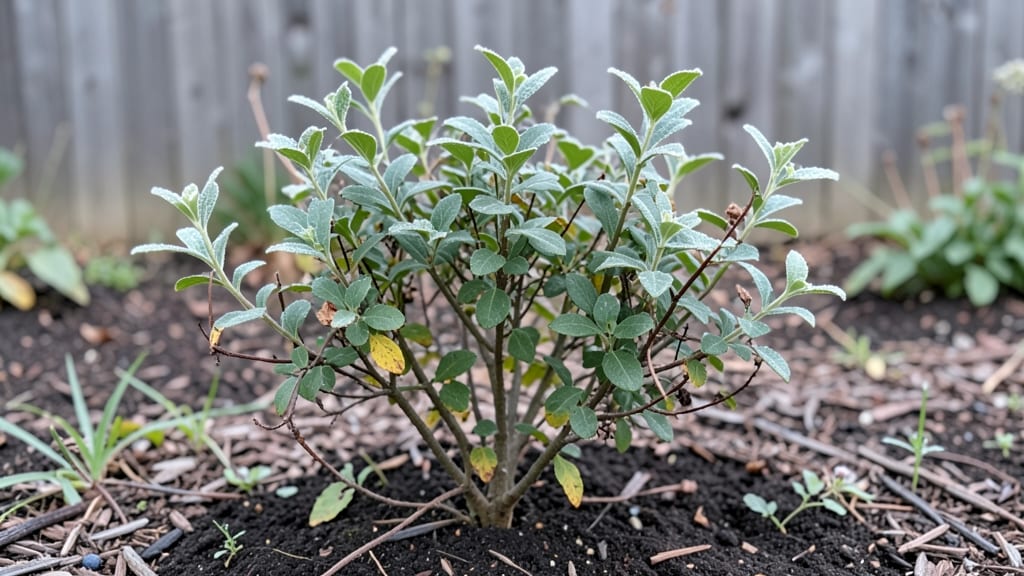
Blueberry plants winter survival isn't about luck—it's about the right prep work before the first frost hits. 🌿 I've watched my bushes thrive through -20°F winters by following these simple steps that keep roots insulated and branches protected.
The key is timing: you need to act in late fall, not when the snow starts flying.
Start with a thick layer of mulch—at least 3-4 inches of straw or wood chips—right after the soil freezes. This acts like a blanket, keeping root zones stable through temperature swings.
Next, wrap young trunks with burlap or foam insulation if your winters dip below 10°F, and prune only after the ground thaws in early spring to avoid stressing dormant plants.
What you'll end up with is a bush that pushes out vibrant green shoots by May, ready to fruit heavier than ever. The berries themselves taste sweeter after a proper winter, and you avoid the heartbreak of dead branches come spring.
This method works for both highbush and rabbiteye varieties, no matter how harsh your zone.
Fair warning: don't skip the mulch—it's the difference between a bush that recovers and one that struggles. I've seen plants bounce back from -30°F with this approach, and the first harvest is always the reward for winter prep. Here's how to do it right the first time.
📚 In This Guide
- What you need
- Instructions
- Tips and common mistakes
- Wrapping up and next steps
What you need
- ● Pruning shears – Sharp, clean shears (bypass-style recommended) for trimming dead or weak branches.
- ● Organic mulch – 3–4 inches of pine straw, shredded leaves, or wood chips (avoid cedar mulch—it’s acidic!).
- ● Garden gloves – Heavy-duty, water-resistant gloves for protection.
- ● Watering can or hose – For post-mulching hydration (if soil isn’t frozen).
- ● Frost cloth or burlap – 3–4 feet wide, enough to wrap around young or tender plants (1–2 plants = 1 roll).
- ○ Stakes or wire mesh – Optional but helpful to secure frost cloth in windy areas.
- ● Soil pH tester – To confirm acidity (ideal: 4.5–5.5; test before spring planting if needed).
- ● Compost or peat moss – 1–2 gallons per plant for top-dressing (if soil lacks organic matter).
- ● Anti-desiccant spray (e.g., Wilt-Pruf) – Protects leaves from winter drying (apply before hard frosts).
- ● Thermometer – A soil probe thermometer to monitor ground temps (aim to keep roots above 20°F).
- ● Row covers or hoop tunnels – For extra insulation in Zone 5 or colder.
- ● Slow-release fertilizer – Acid-loving plant food (e.g., cottonseed meal) for spring prep.
Step-by-Step guide for winterizing blueberry plants
Here's how I protect my blueberry bushes through winter—so they burst back with vigor in spring.
🌿 Step 1: Prune for Winter Health
Start in late fall, after harvest but before hard frost. Remove any dead, diseased, or crossing branches first—these are weak points that invite pests and rot over winter. I always use clean, sharp pruners to make cuts just outside the branch collar, where the branch meets the trunk. This ensures clean wounds that heal faster in spring.
Next, thin out crowded stems to improve airflow. Aim for an open center—blueberries need good circulation to dry quickly after rain or melting snow. Don't over-prune; you want to maintain the bush's shape while removing no more than 25% of the total growth. Look for branches growing inward or rubbing against others—these are the first to go.
🪴 Step 2: Mulch for Root Protection
After pruning, spread a thick layer of 3-4 inches of organic mulch around the base of the plant, keeping it 6 inches away from the trunk. I use a mix of shredded leaves and pine needles because they insulate roots while allowing moisture to drain. Avoid piling mulch against the trunk—this traps moisture and can cause rot.
Check the mulch layer every few weeks through winter. If it compacts or shifts, fluff it up to maintain insulation. The mulch should feel cool to the touch but not frozen solid. This layer acts like a blanket, protecting roots from extreme cold while preventing soil heaving—a common issue where roots freeze, expand, and break.
☀️ Step 3: Shield from Wind and Sun
Blueberry bushes need protection from harsh winter winds and bright winter sun, which can dry out tender stems. I wrap the main stems with burlap or frost cloth once temperatures drop below 20°F. Secure it loosely with twine or staples—tight wraps can damage bark as it expands and contracts with temperature shifts.
For extra protection, place a wire cage or tree guard around the bush to deflect wind. Position it so it doesn’t touch the branches, leaving space for airflow. In areas with heavy snowfall, shake off accumulated snow every few weeks to prevent branch breakage. You’ll know you’ve done it right when the bush looks like it’s wearing a cozy, breathable jacket.
💧 Step 4: Water Sparingly Before Freeze
Water the bush deeply 2-3 weeks before the first hard frost—this gives roots time to absorb moisture before the ground freezes. The soil should feel damp 6 inches down. Avoid watering once the ground is frozen; ice can damage roots and mulch insulation.
If your winter is particularly dry, check soil moisture in early spring before new growth begins. The top 2 inches of soil should feel moist—if it’s bone-dry, give the bush a slow, deep watering. This step is critical because blueberries hate soggy roots in winter but also can’t tolerate drought stress in early spring.
⏰ Step 5: Monitor and Adjust Through Winter
Keep an eye on your blueberry bushes every few weeks. If you notice the mulch has shifted or the burlap is torn, make repairs immediately. Also, watch for signs of rodent activity—chewed bark or small holes in the mulch mean you’ll need to set traps or use repellent granules to protect the trunk.
In late winter, around 6-8 weeks before your last frost date, start planning for spring. Remove the frost cloth and inspect the bush for any winter damage. Prune out any dead branches that didn’t survive, and prepare to fertilize once new growth appears. This final check ensures your bush wakes up healthy and ready to fruit.
Tips & tricks for perfect blueberry plant winter care
Winterizing blueberries might seem tricky, but these insider tips will help you keep your bushes thriving through the coldest months.
Pruning Precision: In Step 1, when removing those dead or crossing branches, take your time—rushing can lead to jagged cuts that heal poorly. I like to make my cuts at a 45-degree angle just outside the branch collar, about 1/4 inch above a bud or side branch. This creates a smoother surface that heals faster in spring. Don't forget to sterilize your pruners between cuts with rubbing alcohol to prevent spreading disease.
Mulch Layer Secrets: The 3-4 inch mulch layer in Step 2 is your bush's winter blanket, but placement matters just as much as thickness. I always rake mulch away from the trunk to prevent rot—think of it like creating a donut shape with the trunk as the hole. For extra insulation in colder climates, add a 1-inch layer of straw on top of your mulch mix. This helps maintain consistent temperatures around the roots.
Wind Protection Hacks: When wrapping your stems with burlap or frost cloth at 20°F in Step 3, don't be tempted to use plastic wrap—it traps moisture and can cause bark damage. Instead, opt for breathable materials that allow some airflow. For added protection, I tuck the edges of the wrap under the mulch to create a sealed barrier against wind. In windy areas, consider adding a second layer of frost cloth for extra defense.
Spring Prep Head Start: The 6-8 week window before your last frost date in Step 5 is your chance to get ahead. I like to mark this date on my calendar now and set reminders to check the bush. This early planning gives you time to source any needed supplies (like fertilizer) and inspect for winter damage before the growing season begins. You'll want to have pruning shears ready for any final clean-up cuts before new growth appears.
Pro Tips for Blueberry Plants Winter
- Winterizing blueberries might seem tricky, but these insider tips will help you keep your bushes thriving through the coldest months.
- Pruning Precision: In Step 1, when removing those dead or crossing branches, take your time—rushing can lead to jagged cuts that heal poorly.
- Mulch Layer Secrets: The 3-4 inch mulch layer in Step 2 is your bush's winter blanket, but placement matters just as much as thickness.
Frequently asked questions
Got questions about keeping your blueberry plants thriving through winter? You’re not alone! Here are some of the most common concerns—and their solutions—to help you prep like a pro.
When should I start winterizing my blueberry plants?
Begin preparing your blueberry bushes for winter as soon as temperatures dip below 40°F (4°C). This typically means late fall (October–November), depending on your climate zone. Prune dead or weak branches, mulch heavily, and water deeply before the ground freezes to protect roots. Pro tip: Wait until after the first hard frost to prune—it helps avoid disease spread.
Do blueberry plants need extra protection in harsh winters?
Yes! While many blueberry varieties are cold-hardy, extreme cold (< -10°F/-23°C) or wind can stress plants. Mulch with 4–6 inches of straw or wood chips to insulate roots. For young plants or tender varieties, wrap the crown in burlap or use a frost blanket. Evergreen boughs can also shield branches from snow damage. Bonus: Avoid heavy mulch in spring—remove excess to prevent rot.
Can I prune blueberry bushes in winter?
Winter (dormant season) is the best time to prune blueberries. Focus on removing:
- Dead, diseased, or crossing branches
- Weak or overcrowded growth
- Old canes (over 5 years) to encourage new, fruiting wood
What if my blueberry plants look damaged after winter?
Don’t panic! Blueberries are resilient. If branches appear blackened or brittle, they’re likely dead—simply prune them out. Focus on new growth: Healthy canes will emerge green and flexible. If the plant seems weak, fertilize lightly in early spring with an acidic fertilizer (like cottonseed meal) and monitor for pests. Watch for: Spider mites or scale insects, which thrive in dry winter conditions.
Are there cold-hardy blueberry alternatives for colder climates?
Yes! If your zone is below 5 (-15°C), opt for northern varieties like:
- ‘Northblue’ (zones 3–5)
- ‘Patriot’ (zones 4–6)
- ‘Jersey’ (zones 3–7)
Wrapping up and next steps
With the right preparation, your blueberry plants can thrive even through the coldest winters! 🌟 Remember, mulching, pruning, and protecting young plants are your best allies for survival. Choose cold-hardy varieties suited to your zone, and don’t forget to monitor moisture and pests—even in winter.
You’ve got this! Start by inspecting your plants this fall and taking action now. Whether you’re a seasoned gardener or just starting, every small step keeps your blueberry bushes healthy and ready to burst with fruit next spring. Happy gardening! 🍇❄️