
Plants
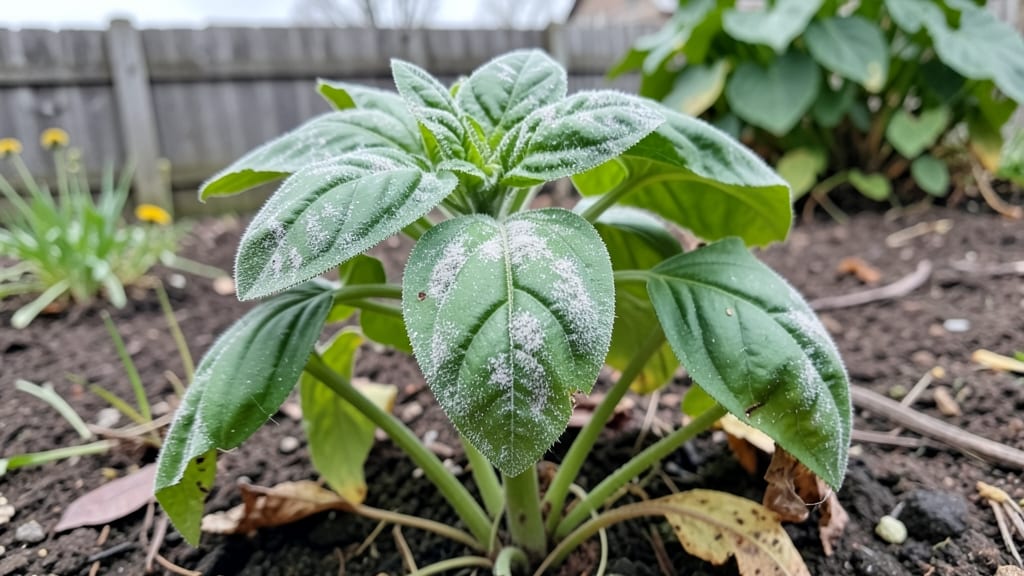
Yellow leaf spot on basil can turn your kitchen garden from productive to pathetic in days—unless you act fast. 🌱 I’ve saved more basil plants from fungus than I’d like to admit, and neem oil is my go-to weapon when those ugly yellow spots start spreading.
The key is catching it early before the entire plant looks like it’s been through a war.
The problem usually starts with too much moisture on leaves—either from overhead watering or crowded plants. Powdery mildew leaves a white dusting, while downy mildew looks like fuzzy gray patches on the undersides.
Both spread faster than weeds in a rainstorm, but neem oil disrupts the fungus’s life cycle without harming your basil if used right. Just mix it properly and apply it when leaves are dry.
You’ll see improvement within 3-5 days if you catch it early: new growth stays crisp, yellow spots fade, and your basil regains its glossy green shine. For severe cases, prune infected leaves immediately and space plants wider to improve airflow.
The goal is to keep your basil thriving so you can keep harvesting those fragrant leaves all season long.
This works for container basil, in-ground plants, and even potted windowsill gardens. The same principles apply whether you’re dealing with a single pot or a full garden bed. Let’s get that fungus under control before it ruins your harvest!
Why it happens
Fungal infections in basil plants can turn a thriving herb garden into a sad, yellow-speckled disappointment faster than you can say "pesto." But why does this happen?
Basil plants, with their delicate leaves and tender stems, are particularly vulnerable to fungal pathogens due to a mix of environmental, cultural, and biological factors. Let’s break down the key culprits behind these pesky fungal invaders—and how they exploit your basil’s weaknesses.
🌧️ Overhead Watering and Poor Drainage
Fungi thrive in wet conditions, and basil plants are no exception. When water droplets linger on leaves—especially in the evenings or under poor airflow—they create the perfect breeding ground for pathogens like Colletotrichum (which causes anthracnose) or Pseudomonas syringae (a bacterial mimic often confused with fungal spots).
Here’s the science: Fungal spores land on leaves and germinate when moisture is present. If your basil sits in soggy soil or water pools on its foliage, spores penetrate leaf tissues through natural openings (like stomata) or weak spots.
Poor drainage worsens the issue by keeping roots waterlogged, stressing the plant and making it more susceptible to infections.
Actionable fix: Water at the base of the plant (not overhead) and ensure pots or garden beds have drainage holes. Space plants 12–18 inches apart to improve airflow.
🌡️ High Humidity and Stagnant Air
Basil loves warmth, but too much humidity without circulation is a fungal magnet. Fungi like Alternaria and Septoria (common in yellow leaf spot) spread rapidly in still, damp air. Greenhouses, shaded areas, or crowded basil patches trap moisture, creating a fungal paradise.
The problem? Fungal spores release enzymes that break down plant cell walls, leading to lesions and yellowing. High humidity also delays drying time on leaves, giving spores more time to infect. Even well-drained soil won’t help if the microclimate around your basil is suffocating.
Actionable fix: Use a fan on low speed (5–10 minutes daily) to improve airflow. Avoid mulching too close to stems, and prune to open up the plant’s canopy.
🍄 Stress from Overcrowding or Nutrient Imbalance
A stressed basil plant is a weakened host, and fungi love taking advantage. Overcrowding competes for nutrients and light, while excess nitrogen (from over-fertilizing) makes leaves softer and more prone to damage—giving fungi easier entry points.
Science alert: Fungi often trigger plant stress hormones (like ethylene) to lower defenses. For example, Fusarium wilt thrives in plants with compromised vascular systems, often due to root stress from poor soil or transplant shock.
Actionable fix: Thin out seedlings to 6–8 inches apart and use a balanced fertilizer (like 10-10-10). If using compost, age it first to avoid "hot spots" that burn roots.
🌱 Contaminated Tools or Soil
Fungal spores are everywhere—in soil, on tools, and even in potting mix. If you’ve reused containers, pruned with unsterilized scissors, or planted basil in fresh soil without testing, you’ve likely introduced pathogens like Phytophthora (a water mold) or Botrytis (gray mold).
The spread happens when spores hitchhike on tools or infested soil, landing on healthy leaves and colonizing within 24–48 hours under ideal conditions. Even organic matter (like grass clippings) can harbor dormant spores.
Actionable fix: Sterilize tools with 70% isopropyl alcohol or a 10% bleach solution. For soil, bake containers at 200°F for 30 minutes or use pasteurized potting mix.
🌿 Weakened Plants from Pests or Disease
Pests like aphids or spider mites don’t just sap basil’s sap—they create wounds that fungi exploit. For instance, Downy mildew (a common basil scourge) often follows aphid infestations because the pests damage leaf tissue, providing entry points for the fungus.
Even viral infections (spread by sap-sucking insects) can weaken basil, making it more vulnerable to secondary fungal attacks. The result? A vicious cycle of stress and decay.
Actionable fix: Monitor for pests weekly and treat with neem oil or insecticidal soap. Remove heavily damaged leaves immediately to prevent spread.
Fixing Fungal Issues Fast
Fungal infections in basil can feel like a garden disaster, but with the right steps, you can revive your plants and keep future outbreaks at bay.
Below, we’ve mapped out practical solutions based on the most common causes—from environmental stress to pest-related damage—along with prevention tips to protect your herb garden long-term.
Fungal spores thrive in soggy soil, turning basil leaves yellow or brown with a mushy texture. If your plants feel squishy or smell foul, it’s time to act.
How to Fix It:
- 🔥 Stop Watering Immediately Let the soil dry out completely before watering again. Stick your finger an inch deep—if it’s damp, wait another day.
- 👨🍳 Improve Drainage
- Repot the basil in a container with drainage holes if it’s in a planter.
- Mix in perlite or coarse sand (20% of the soil) to help excess water escape.
- Elevate pots on cafeteria trays or saucers to prevent waterlogging.
- 🥘 Prune Damaged Leaves Snip off yellow, spotted, or mushy leaves with sterilized scissors (wipe with rubbing alcohol). This stops the fungus from spreading.
- ⏰ Revive with Fungicide Spray Mix 1 tsp baking soda + 1 quart water + a few drops of dish soap (as a surfactant). Spray leaves every 7–10 days until new growth appears.
💡 Prevention Tip:
- Water only at the base in the morning so leaves dry quickly.
- Avoid mulching too close to the stem—keep it 2–3 inches away.
Aphids, whiteflies, or spider mites don’t just sap nutrients—they carry fungal spores like yellow leaf spot. If you spot sticky residue or tiny webs, pests may be the culprit.
How to Fix It:
- 🔪 Blast Off Pests
- Neem oil spray: Mix 1 tbsp neem oil + 1 tsp mild soap + 1 quart water. Spray both sides of leaves at dusk (avoids harming bees).
- Insecticidal soap: Use a store-bought or DIY version (1 tsp castile soap + 1 quart water) for heavy infestations.
- 🌡️ Adjust Humidity Fungi love humid conditions. Use a fan on low speed near the plants or increase airflow by spacing them out.
- 🎯 Remove Infested Leaves Drop heavily damaged leaves into a sealed bag (not the compost)—fungus can survive there.
💡 Prevention Tip:
- Inspect new plants before bringing them home (quarantine for 2 weeks).
- Release ladybugs or lacewings—natural predators that eat pests without chemicals.
Basil wilts or develops fungal spots when temperatures dip below 50°F or spike above 90°F. Sudden changes weaken the plant’s defenses.
How to Fix It:
- 🌿 Move to a Stable Spot
- Indoors? Place near a sunny window but away from drafts (AC vents, open windows).
- Outdoors? Use shade cloth (30–50%) during peak sun or move pots to a partial-shade area.
- 💦 Hydrate Deeply Water slowly at the base to encourage deep root growth. Avoid shallow sprinkling, which stresses leaves.
- 🍳 Boost Plant Immunity
- Fertilize lightly with a balanced liquid fertilizer (10-10-10) to strengthen growth.
- Compost tea spray: Brew 1 cup compost + 5 gallons water, strain, and spray on leaves weekly.
💡 Prevention Tip:
- Hardening off seedlings gradually (acclimate to outdoor temps over 7–10 days).
- Mulch with straw to regulate soil temperature.
Too much synthetic fertilizer or harsh pesticides burn leaves, creating entry points for fungi. If leaves show brown edges or black spots, this could be the issue.
How to Fix It:
- 🚿 Flush the Soil Water the plant thoroughly for 10 minutes to leach out excess salts. Repeat 2–3 times.
- 🌱 Switch to Organic
- Use fish emulsion or worm castings for a gentler nutrient boost.
- Avoid synthetic fungicides—they can worsen chemical stress.
- 🍃 Trim Damaged Growth Cut back 1/3 of the plant to encourage new, healthy foliage.
💡 Prevention Tip:
- Dilute fertilizers to half-strength and apply every 4–6 weeks (not weekly).
- Test soil pH (ideal for basil: 6.0–6.8). Use lime to raise pH or sulfur to lower it if needed.
✨ Final Pro Tip: For persistent fungal issues, rotate your basil’s location every 2–3 weeks to break the fungus’s life cycle. And always sterilize tools (pruners, pots) with rubbing alcohol before reuse!
With these fixes, your basil should bounce back in 2–4 weeks. Stay vigilant, and your herb garden will thrive—fungus-free! 🌿💚
Frequently asked questions
What are the first signs of fungal infection in basil?
Look for yellow or brown spots on leaves, often with a fuzzy or powdery texture. Downy mildew appears as gray patches on undersides, while powdery mildew looks like white dust. Early stages show small spots that grow larger if untreated—act fast to prevent spread.
Can I still use basil leaves with fungal spots for cooking?
Only use leaves from the outer edges of healthy growth if spots are minimal. Avoid heavily infected leaves—they can harbor toxins. For severe cases, discard affected plants entirely and sterilize containers to prevent reinfection.
How often should I apply neem oil to prevent fungus?
Apply neem oil every 7–10 days during humid seasons or after heavy rain. Mix 1 tbsp neem oil + 1 tsp mild soap + 1 quart water and spray leaves thoroughly. Stop treatment 24 hours before harvesting to avoid bitter flavors.
Will baking soda really help with basil fungus?
Yes! A baking soda spray (1 tsp baking soda + 1 quart water + few drops of soap) raises leaf pH, making it inhospitable to fungi. Reapply every 7–10 days for best results. This is safe, organic, and works well for early-stage infections.
Can I save a basil plant if most leaves are infected?
Prune back 90% of infected leaves and treat with neem oil immediately. If roots are healthy, new growth should emerge in 2–3 weeks. For severe cases, consider propagating from healthy stems to start fresh.