Plants
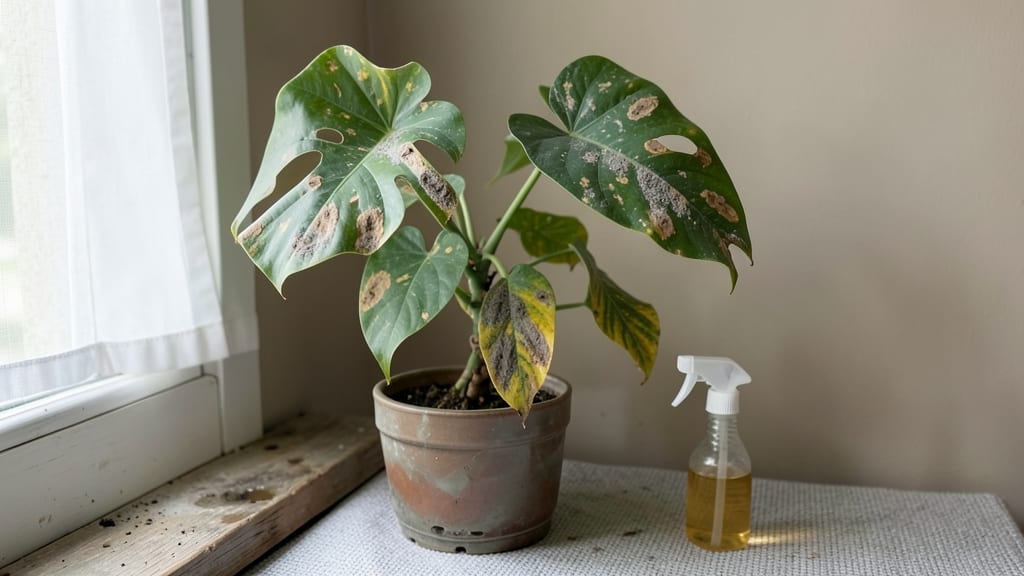
House plant fungus turns your lush green friends into sad, crumbly messes faster than you'd think. 🌱 I’ve seen powdery mildew blanket ferns in days and root rot turn thriving plants into mushy stumps—until I learned the telltale signs and fast fixes that actually work.
The key isn’t just spotting the problem early (though that helps), but knowing which fungus you’re dealing with and how to stop it before it spreads.
Most fungus comes from two mistakes: overwatering or ignoring airflow. Powdery mildew loves crowded leaves and damp conditions, while root rot thrives when roots sit in soggy soil. My snake plant nearly died from root rot last winter—until I swapped heavy pots for terracotta and cut back on watering.
The fix isn’t always dramatic; sometimes it’s just adjusting your routine. But when you see black spots or fuzzy white growth, you’ll know exactly what to do.
You’ll rescue your plants by pruning infected leaves, treating with neem oil or hydrogen peroxide, and tweaking light and humidity. My spider plant bounced back in just two weeks after I trimmed the moldy bits and moved it to a brighter spot.
The best part? Once you’ve tackled one outbreak, you’ll spot the early warning signs before they become full-blown crises. Let’s get your plants back to thriving.
This works for everything from ferns to fiddle-leaf figs, whether your problem’s on the leaves or lurking in the soil. The secret’s in acting fast—and knowing which fungus you’re up against. Ready to save your plants?
Root Causes Of Plant Fungus
Fungal infections in houseplants aren’t just random bad luck—they’re usually the result of specific conditions that create the perfect environment for spores to thrive. Understanding these triggers is the first step to prevention and treatment.
Below, we break down the most common causes, backed by science, so you can address the problem at its source.
Fungi love moisture, and excessive watering is the #1 way to invite them into your plant’s roots and soil. When soil stays soggy for too long, it creates anaerobic conditions—meaning oxygen is scarce—which weakens plant defenses and allows fungal spores (like Phytophthora or Pythium) to multiply rapidly.
- Why it happens:
- Waterlogged soil blocks oxygen, stressing roots and making them susceptible to rot.
- Fungal spores in the soil germinate faster in warm, damp conditions (ideal for Rhizoctonia or Fusarium).
- Containers without drainage holes trap excess water, turning the root zone into a fungal buffet.
- Actionable fix:
- Check soil moisture with your finger—if the top 1–2 inches are damp, wait before watering again.
- Repot in well-draining soil mixes (add perlite, orchid bark, or sand for aeration).
- Use pots with drainage holes and elevate them on saucers (never let plants sit in standing water).
While many houseplants thrive in humidity, stagnant, humid air is a fungal magnet. Fungi like Botrytis cinerea (gray mold) and Powdery Mildew spread like wildfire in still, moist environments because spores drift through the air instead of being dispersed by wind or airflow.
- Why it happens:
- Humidifiers, closed rooms, or clustered plants create microclimates where spores linger.
- Lack of airflow prevents evaporation, keeping leaves damp longer (ideal for Alternaria or Septoria leaf spots).
- Plants with dense foliage (like ferns or monstera) trap moisture against leaves, promoting fungal growth.
- Actionable fix:
- Use a fan on low speed near plants to improve airflow (even a gentle breeze helps!).
- Aim for 40–60% humidity—use a hygrometer to monitor levels.
- Space plants apart and avoid misting in the evening (nighttime humidity spikes fuel fungal growth).
Plants with open wounds, burns, or nutrient deficiencies are like open doors for fungi. Damaged tissue provides easy entry points, and stressed plants can’t mount an effective defense. Common culprits include Phytophthora (root rot) and Anthracnose (leaf spots), which exploit weak spots.
- Why it happens:
- Physical damage: Pruning cuts, insect bites (like spider mites), or hail can create entry points.
- Chemical burns: Over-fertilizing (especially with synthetic salts) or using harsh pesticides weakens cell walls.
- Environmental stress: Sudden temperature drops, drafts, or light changes shock plants, lowering their resistance.
- Actionable fix:
- Always sterilize pruning tools with rubbing alcohol to prevent introducing pathogens.
- Use sharp, clean scissors to avoid tearing tissue—make cuts at a 45° angle to allow faster healing.
- Fertilize lightly and consistently—follow package instructions to avoid salt buildup.
Fungi thrive in moderate temperatures (60–80°F), but sudden shifts—especially from hot to cold—can trigger outbreaks. Cold stress weakens plant cells, while heat accelerates fungal metabolism. Gray mold (Botrytis) and downy mildew often flare up after temperature fluctuations.
- Why it happens:
- Cold drafts (from AC or windows) cause chilling injury, making leaves more susceptible to infection.
- Heat stress (e.g., near radiators) increases plant transpiration, leading to water-soaked spots where fungi latch on.
- Plants in unheated greenhouses or balconies experience rapid temperature changes overnight.
- Actionable fix:
- Keep plants away from vents, doors, and windows that experience drafts.
- Use thermostat fans or heating mats to maintain stable temps in winter.
- Avoid placing plants near heat sources—opt for indirect light instead.
Even the cleanest setup can go wrong if fungal spores hitchhike in soil, pots, or tools. Many commercial soils contain dormant spores, and reused containers or dirty tools can reintroduce infections after treatment.
- Why it happens:
- Old or reused soil may harbor Fusarium or Thielaviopsis spores that reactivate when conditions are right.
- Unsterilized pots can trap fungal mycelium from previous plants (even if washed, spores survive).
- Shared tools (like shears or trowels) transfer pathogens between plants.
- Actionable fix:
- Sterilize soil by baking it at 200°F for 30 minutes or using hydrogen peroxide (3%) (1 part peroxide to 10 parts water).
- Wash pots with bleach solution (1:10 ratio) and rinse thoroughly before reuse.
- Keep tools in 70% rubbing alcohol between uses.
💡 Pro Tip: If you’re dealing with a fungal outbreak, quarantine affected plants immediately to prevent spores from spreading to healthy ones. Isolate them in a separate room or under a plastic bag (with holes for airflow) until treated.
Quick Fixes for Fungal Woes
Fungal infections in houseplants can feel like a silent takeover—one day your leafy friend looks vibrant, the next, it’s covered in unsightly spots or fuzzy growth. But don’t panic! With the right approach, you can reverse the damage, save your plant, and even prevent future outbreaks.
Below, we’ve broken down cause-specific solutions to tackle fungus head-on, plus proactive tips to keep your green babies thriving.
Signs: Yellowing leaves, mushy stems, foul odor, or black/brown spots on soil. Why it happens: Too much moisture creates the perfect breeding ground for fungi like Phytophthora or Pythium, which attack roots and stems.
How to fix it:
- 🔥 Stop watering immediately – Let the soil dry out completely before watering again.
- 👨🍳 Repot the plant – Remove it from the infected soil and trim away any mushy, discolored roots with sterilized scissors (wipe with rubbing alcohol).
- 🥘 Use fresh, well-draining soil – Mix in perlite or orchid bark (20-30%) to improve aeration.
- ⏰ Monitor watering – Only water when the top 1-2 inches of soil are dry. Consider a moisture meter if you’re unsure.
Prevention tips:
- 💡 Use pots with drainage holes (even decorative ones can be drilled).
- 🌡️ Water in the morning so excess moisture evaporates.
- ✨ Avoid saucers that trap water—empty them after watering.
Signs: White, powdery coating on leaves (like dust), stunted growth, or curled leaves. Why it happens: High humidity, poor airflow, or water splashing on foliage encourages Erysiphe or Podosphaera fungi.
How to fix it:
- 🔪 Isolate the plant – Prevent spores from spreading to others.
- 🍳 Wipe leaves gently – Use a damp cloth with neem oil (1 tsp per quart of water) or mild soap solution (1 tsp dish soap + 1 quart water).
- 🥘 Spray with fungicide – Apply a baking soda spray (1 tsp baking soda + 1 quart water + a drop of dish soap) every 7-10 days for 2-3 weeks.
- 🌬️ Improve airflow – Space plants apart, use a small fan (on low) for 10 mins/day, or trim dense foliage.
Prevention tips:
- 💡 Water at the base, not overhead.
- 🎯 Space plants 2-3 inches apart for better ventilation.
- 🌡️ Reduce humidity with a dehumidifier or open windows.
Signs: Dark, circular spots with yellow halos, falling leaves, or white fungal growth underneath. Why it happens: Fungi like Alternaria or Cercospora thrive in wet, warm conditions, often from contaminated water or tools.
How to fix it:
- 🔥 Remove infected leaves – Snip off spots with sterilized scissors (don’t compost them—throw them away).
- 👨🍳 Sterilize tools & pots – Wipe with rubbing alcohol or bleach solution (1 part bleach to 10 parts water).
- 🥘 Apply copper fungicide – Spray every 7-10 days (follow label instructions).
- 🌿 Prune for airflow – Trim crowded branches to reduce humidity pockets.
Prevention tips:
- 💡 Water early in the day so leaves dry quickly.
- ✨ Avoid wetting leaves—use a watering wand for targeted base watering.
- 🎯 Rotate plants weekly for even sunlight exposure.
Signs: Wilting despite moist soil, brown streaks in stems, or sudden plant collapse. Why it happens: Contaminated soil, overwatering, or stress from poor drainage.
How to fix it:
- 🔪 Cut back severely – Trim all infected parts (including stems) with sterilized tools.
- 🍳 Repot in sterile soil – Use a fungicide-treated potting mix or bake soil in the oven (200°F for 30 mins) to kill spores.
- 🥘 Add beneficial microbes – Mix in mycorrhizal fungi or trichoderma (available at garden centers).
- ⏰ Quarantine the plant – Keep it separate until fully recovered (4-6 weeks).
Prevention tips:
- 💡 Sterilize pots and tools before reuse.
- 🌡️ Avoid overcrowding—give plants room to breathe.
- 🎯 Test soil pH (aim for 6.0-7.0 for most houseplants).
If your plant is beyond saving (e.g., root rot has spread to the crown, or leaves are 80% infected), don’t hesitate to compost or discard it. Fungal spores can linger in soil and reinfect other plants. Start fresh with a healthy cutting or a new plant!
🌱 Pro Tip: Always sterilize your tools between plants to avoid cross-contamination. A quick wipe with rubbing alcohol or bleach solution works wonders!
By acting fast and targeting the root cause, you can revive your plant and keep your home’s green sanctuary fungus-free. 🌿✨
Frequently asked questions
What’s the fastest way to tell if my houseplant has fungus?
Check for fuzzy white or gray growth (powdery mildew), dark spots with yellow rings (leaf spots), or mushy stems/roots (root rot). Fungal infections often appear on leaves first—look for discoloration or a dusty coating. If you see any of these, isolate the plant immediately to prevent spread.
Can I save a plant with root rot caused by fungus?
Yes, but act fast! Trim all mushy roots with sterilized scissors, repot in fresh, well-draining soil, and stop watering until the soil dries completely. Use a fungicide like hydrogen peroxide (3% solution) to treat remaining roots. Recovery takes 4-6 weeks—be patient and monitor watering closely.
Is neem oil safe for all houseplants?
Neem oil is generally safe for most plants, but always test a small area first. Dilute it (1 tsp per quart of water) and avoid overusing—apply every 7-10 days for fungal issues. It’s especially effective against powdery mildew and leaf spots. For sensitive plants like succulents, use it sparingly.
Why does my plant keep getting fungus even after treatment?
Fungal spores can linger in soil, pots, or tools. Sterilize everything before reuse—wash pots with bleach (1:10 ratio) and soak tools in rubbing alcohol. Also, check your watering habits: overwatering or poor airflow are usually the root causes. Adjust humidity (aim for 40-60%) and improve ventilation.
Can I use kitchen ingredients like baking soda to treat fungus?
Mix 1 tsp baking soda with 1 quart water and a drop of dish soap for a DIY fungicide. Spray it on leaves every 7-10 days for powdery mildew or leaf spots. It’s a gentle, cost-effective solution—just avoid using it on plants sensitive to alkaline treatments.