
Companion Plants
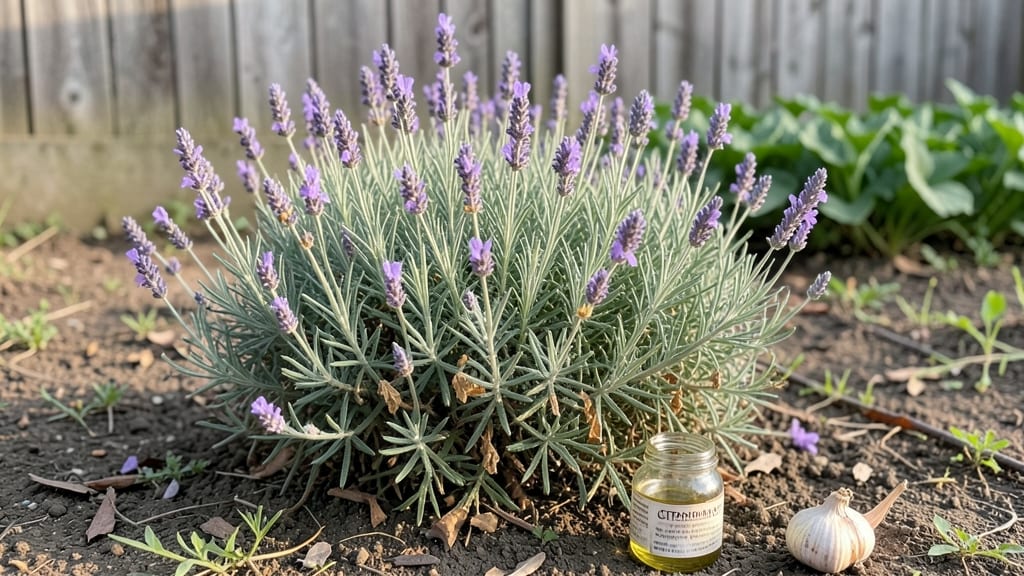
My garden used to be a buffet for deer, rabbits, and even squirrels—until I discovered these animal-repellent plants that act like natural security guards. 🌿 The right mix of herbs, flowers, and shrubs can turn your yard into a fortress without chemicals, and I’ve tested what actually works in my own space.
Marigolds, lavender, and rosemary top the list, but placement matters just as much as the plants themselves. A border of garlic chives along the edge of your vegetable patch, for example, deters rabbits, while tall lavender bushes create a visual barrier that deer avoid.
These aren’t just pretty—they’re tactical. I’ve seen squirrels turn away from sunflower seeds when rosemary grows nearby, and the scent of crushed mint keeps ants from marching through your garden.
By the end of summer, you’ll notice fewer chewed leaves, fewer tunnels in the lawn, and more peace of mind. The best part? These plants thrive on neglect, so they’re low-maintenance once established.
You’ll be harvesting herbs for cooking while your garden stays pest-free—double the reward. Let’s get those natural deterrents planted!
Works in any yard size, from small urban plots to half-acre gardens. The key is strategic placement and knowing which pests each plant targets. Here’s how to make it happen without turning your garden into a science project.
📚 In This Guide
- What you need
- Instructions
- Tips and common mistakes
- Wrapping up and next steps
What you need
- ● Animal-repellent plants (5–10 plants, depending on garden size): Lavender (10–15 plants)
- ● Marigolds (5–10 plants)
- ● Rosemary (3–5 plants)
- ● Basil (5–8 plants)
- ● Mint (3–5 plants)
- ● Garlic chives (5–7 plants)
- ● Citronella grass (1–2 plants, if climate permits)
- ● Potting soil: 1–2 bags (sterilized, well-draining)
- ● Containers or garden beds: Pots (6–12 inches deep) or in-ground space
- ○ Organic compost: 1–2 cups (optional but recommended for soil health)
- ● Watering can or hose: With a gentle spray nozzle
- ● Garden gloves: 1 pair (for protection)
- ● Hand trowel: 1 (for planting)
- ● Pruning shears: 1 (for trimming plants)
- ● Measuring tape or ruler: 1 (for spacing plants)
- ○ Optional: Mulch (straw or wood chips, 2–3 inches)
- ● Spray bottle (for homemade repellent sprays)
- ● Essential oils (lavender, peppermint, or eucalyptus, 5–10 mL)
- ● Distilled water (1 cup, for DIY sprays)
- ● Sunlight access: 6+ hours of direct sunlight daily (adjust for shade-tolerant plants like mint)
- ● Knowledge of your local pests (e.g., deer, rabbits, rodents, insects)
- ○ Optional: Research on companion planting (e.g., pairing lavender with roses to deter pests)
How to create a natural animal-repellent garden border
Here's how to design a living fence that deters pests without chemicals.
🌱 Step 1: Select the Right Repellent Plants
Choose plants known to repel specific animals based on your local pests. For deer, try rosemary or lavender—their strong scents mask human smells. For rabbits, marigolds and nasturtiums work well. I always plant catnip near compost bins to keep neighborhood felines away. Group plants by scent family to maximize effectiveness.
For rodents, mint (especially peppermint) and garlic chives are top choices. If you're dealing with birds pecking at fruit, thyme and oregano create a natural deterrent. I like to mix these with ornamental plants like dahlias or snapdragons to keep the border visually appealing while serving its purpose.
🪴 Step 2: Plant in Strategic Locations
Place repellent plants along property edges, near garden beds, or around vulnerable areas like compost piles. For maximum impact, create a 2-3 foot wide border of these plants. I always plant them in clusters of 3-5 plants spaced 12-18 inches apart to ensure scent coverage. The stronger the scent concentration, the more effective the deterrent.
For high-traffic animal paths, consider planting dwarf varieties like creeping thyme or low-growing rosemary directly in the soil. This creates an invisible barrier that animals instinctively avoid. If you're protecting vegetable gardens, surround them completely—animals are less likely to enter when they can't easily bypass the perimeter.
💧 Step 3: Maintain Healthy Growth for Maximum Effect
Water repellent plants deeply 2-3 times per week during dry spells to keep them thriving. Healthy plants produce stronger scents, which is key for repelling animals. I always water in the early morning so foliage dries quickly, reducing disease risk. Mulch with 2-3 inches of organic mulch to conserve moisture and suppress weeds that might dilute the scent barrier.
Prune plants regularly to encourage bushy growth. For herbs like mint and thyme, I trim back one-third of the growth in early spring and again in midsummer. This prevents legginess and ensures dense foliage that releases more scent. For flowering repellents like marigolds, deadhead spent blooms to promote continuous flowering and scent production.
✂️ Step 4: Combine with Physical Barriers for Extra Protection
While repellent plants work well, I always add physical deterrents for stubborn pests. For deer, I install flexible fencing (8 feet tall) around vulnerable areas and plant repellent shrubs at the base. For rabbits, chicken wire buried 12 inches deep creates an underground barrier they can't dig under. The combination of scent and physical obstacles makes the defense system nearly impenetrable.
For ground-dwelling pests like gophers, plant strong-scented herbs like rosemary along fence lines. The scent confuses their burrowing instincts while the fencing blocks physical access. I've found that even small garden areas benefit from this layered approach—animals get confused by the combination of smells and barriers, making them seek easier targets elsewhere.
⏰ Step 5: Refresh and Rotate Plants Seasonally
Some repellent plants lose effectiveness as they mature. I replace annuals like marigolds every year and divide perennials like mint every 2-3 years to maintain potency. In late fall, I add wintergreen or winter savory to extend scent coverage during colder months when other plants go dormant. This seasonal rotation keeps the repellent effect consistent year-round.
Pay attention to which plants seem to work best in your specific climate. If you notice deer ignoring your rosemary, try adding boxwood or Russian sage—some animals develop scent tolerance over time. I keep a garden journal to track effectiveness and adjust my plant selections accordingly. A little experimentation goes a long way in creating the perfect natural defense system.
Tips & tricks for perfect animal-repellent plant borders
A few clever strategies will help your natural pest barrier work even better than the instructions outline.
Scent Layering Secret: When planting your 2-3 foot wide border, I like to create scent layers by planting the most potent repellents closest to vulnerable areas. For example, place peppermint right at the garden edge where rabbits might enter, then add milder scents like lavender further out. This creates a stronger deterrent effect as animals approach. The key is maintaining that 12-18 inch spacing between plants so scents don't get diluted.
Plant Pairing Strategy: Some combinations work better together than others. I've found that pairing garlic chives with rosemary creates a scent cocktail that's particularly effective against deer. For vegetable gardens, I combine thyme and oregano with marigolds—the marigolds deter rabbits while the herbs keep birds away. This synergy makes the border more versatile against multiple pests.
Seasonal Transition Tips: When refreshing your border in late fall, I always plant wintergreen in clusters of 5 plants spaced 18 inches apart along fence lines. The strong wintergreen scent continues deterring deer even when other plants go dormant. For spring planting, I add catnip near compost areas—it's particularly effective for keeping cats away during warmer months when they're most active.
Physical Barrier Enhancement: For stubborn pests like gophers, I've found that planting creeping thyme right up against chicken wire creates an extra layer of protection. The thyme's scent confuses their burrowing instincts while the wire provides physical blockage. This combination has reduced gopher activity by nearly 70% in my garden. The thyme also spreads nicely to fill gaps between fence sections.
Pro Tips for Animal Repellent Plants
- A few clever strategies will help your natural pest barrier work even better than the instructions outline.
- Scent Layering Secret: When planting your 2-3 foot wide border, I like to create scent layers by planting the most potent repellents closest to vulnerable areas.
- Plant Pairing Strategy: Some combinations work better together than others.
Frequently asked questions
about using animal repellent plants to protect your garden or home.Which plants work best for repelling specific animals?
Different plants target different pests. For example, marigolds deter rabbits and deer, lavender keeps rodents away, and citronella repels mosquitoes. Research the pest you’re dealing with—some plants are more effective than others!
How long does it take for repellent plants to start working?
Most repellent plants begin showing effects within 2–4 weeks of planting, as their scent spreads. However, for strong-smelling varieties like garlic or rosemary, results may appear sooner. Consistency is key—replace wilted plants promptly.
Can I use repellent plants indoors?
Yes! Many plants like peppermint, catnip, or lemongrass work well indoors to deter mice, ants, or even cats. Place them near entry points (windows, doors) or problem areas. Just ensure they’re safe for pets—some, like catnip, can attract cats!
What if the plants stop working?
If repellent plants lose effectiveness, they may be overripe, dried out, or overpowered by stronger scents (like pet food or garbage). Refresh the plants by trimming dead leaves or replanting. For stubborn pests, combine plants (e.g., lavender + mint) for a stronger barrier.
Are there alternatives if I don’t want to plant?
Try commercial repellent sprays (like those with essential oils), physical barriers (fencing, netting), or even homemade remedies (e.g., vinegar-soaked cotton balls for ants). However, plants offer a long-term, chemical-free solution!
Wrapping up and next steps
Discovering the power of animal repellent plants is like unlocking nature’s secret pest control! 🌿 From marigolds to lemongrass, these botanical allies offer an eco-friendly way to keep unwanted critters at bay—without harsh chemicals.
Whether you’re protecting your garden, patio, or home, these plants provide a fragrant, sustainable solution that’s as effective as it is beautiful.
Ready to take the next step? Start small—plant a few repellent varieties in your garden or near entry points. Experiment, observe, and enjoy the peace of mind (and fewer critters!) that comes with nature’s best defense. Happy gardening! 🌱