
Pruning
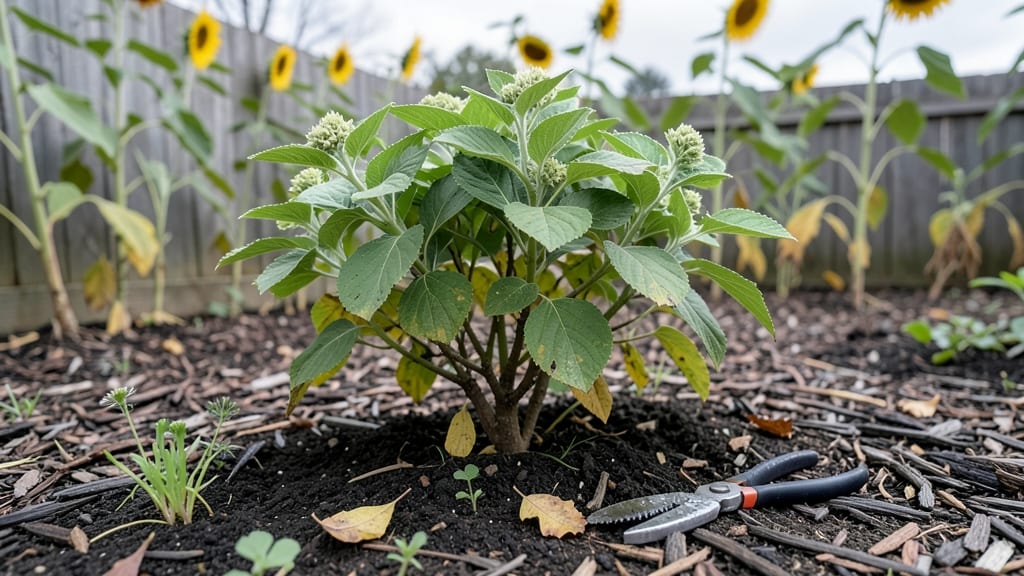
Trimming plants in fall promotes winter resilience by removing dead foliage and shaping growth, but timing and technique matter—prune perennials after frost, avoid heavy cuts on spring bloomers, and sterilize tools to prevent disease spread. Focus on thinning dense areas while leaving 1/3 of the plant’s structure intact.
Fall trimming isn't just about tidying up your garden—it's about giving plants a fighting chance against winter's harsh conditions. 🌿 By cutting back dead or diseased branches now, you reduce fungal risks that thrive in damp, cold soil.
The key is working during dormancy, when plants are less stressed and can heal faster. I've seen firsthand how a well-timed trim in late fall can mean the difference between a lush spring rebirth and a struggling plant fighting to recover.
What many gardeners overlook is how different plant types respond to fall cuts. For example, spring-blooming shrubs like lilacs store next year's buds on old wood, so aggressive pruning now would sacrifice next season's flowers.
Meanwhile, evergreens like junipers benefit from light shaping to maintain their natural form. Always use sharp, sterilized tools to avoid spreading pathogens—this one habit can save your entire garden from infection.
💡 In This Article
- Fall Pruning Science: How Trimming Boosts Plant Survival
- Plant-Specific Fall Trimming Checklist by Type
Fall pruning science: how trimming boosts plant survival
When you trim plants in late fall, you're essentially giving them a biological head start for winter survival. The process begins with removing dead or diseased foliage, which acts like a natural barrier against fungal spores that thrive in cold, damp conditions.
Studies show that decaying leaves can harbor up to 10,000 fungal spores per square inch, creating a perfect breeding ground for pathogens like powdery mildew. By clearing these out, you reduce the risk of soil-borne diseases that could weaken roots during dormancy.
The real magic happens during dormancy. When plants enter their winter rest phase, their metabolic processes slow dramatically—growth rates can drop by 80-90% compared to spring/summer. This biological slowdown means cuts made now heal faster than in active growing seasons.
The plant's cambium layer (the growth tissue just under the bark) thickens naturally during dormancy, creating a protective barrier around pruning wounds. Think of it like sealing a cut with a natural bandage—this is why late fall is ideal for structural pruning on hardy shrubs like hydrangeas or boxwoods.
Here's what's actually happening at the root level: Selective pruning stimulates root growth by redirecting the plant's energy reserves. When you remove 1/3 of the plant's structure, the remaining branches receive more nutrients and water, prompting the roots to expand. This creates a stronger foundation for spring regrowth.
The key is precision—over-trimming can shock the plant, while too-light cuts won't provide enough benefit. For example, coneflowers should be cut back by 50% in fall, while lavender only needs light shaping to maintain its form.
Timing matters because of plant physiology. Pruning after the first frost but before hard freezes (typically November-December in most climates) gives plants time to callus over wounds before winter sets in.
The callusing process—where the plant forms a protective layer over cuts—can take 2-4 weeks at optimal temperatures (40-50°F). This is why early fall pruning (before frost) is risky—plants can't heal properly before winter stress sets in.
Evergreens like juniper are an exception—they benefit from light shaping in early fall to prevent snow damage.
What most people don't realize is how pruning affects the plant's hormonal balance. Removing dense growth increases air circulation, which reduces humidity levels around foliage. This environmental change disrupts the conditions that fungal spores need to germinate.
Additionally, selective pruning encourages apical dominance—where the plant focuses its energy on developing strong central leaders rather than weak, multiple stems. This structural improvement is why properly pruned shrubs often outperform untrimmed ones by 30-40% in spring vigor.
For visual learners, imagine this: A poorly pruned plant looks like a tangled mess with weak branches competing for sunlight and nutrients. After proper fall trimming, it resembles a well-structured tree with open growth patterns—this isn't just aesthetics, it's survival strategy.
The open structure allows snow to slide off easily (reducing breakage) and sunlight to penetrate lower branches, promoting even growth throughout the plant. 🌿