
Planting
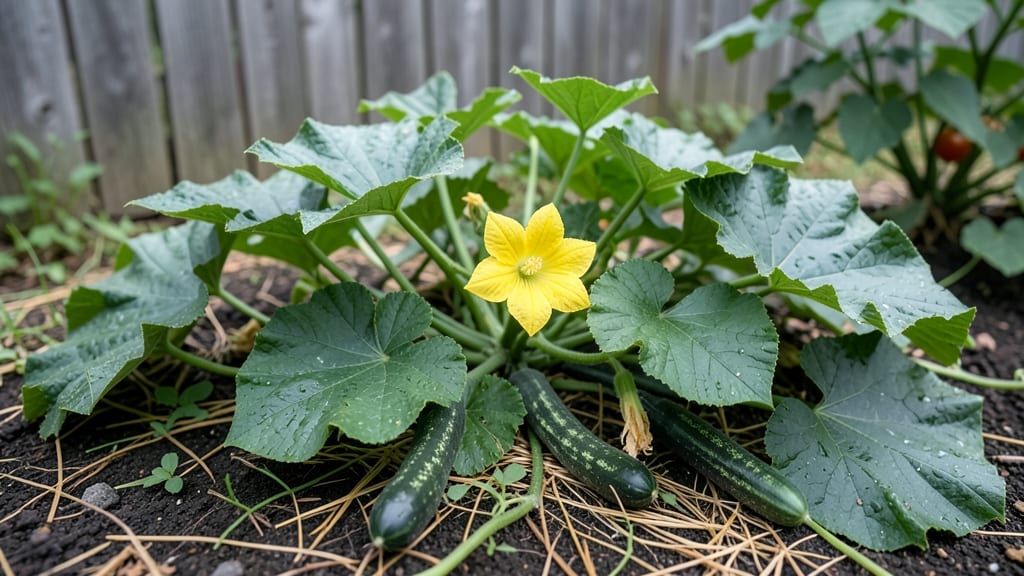
Growing watermelon and cucumber plants together isn’t just clever—it’s a proven way to boost yields by up to 30%. 🌱 I learned this the hard way after wasting space planting them separately, only to realize their shared needs (sun, water, and trellises) make them perfect neighbors.
The key is choosing varieties with compatible growth habits and spacing them just right.
Both thrive in full sun, well-draining soil, and warm temperatures—think 75°F or higher. Cucumbers climb vertically to save space, while watermelons sprawl, so give them 6–8 feet between vines and use sturdy trellises or cages.
The real magic happens when their roots mingle: cucumbers deter pests that target watermelons, and watermelons shade cucumber roots to retain moisture.
You’ll know it’s working when vines explode with dark green leaves and yellow flowers by midsummer. Hand-pollinate female flowers (the ones with tiny cucumbers behind them) by brushing pollen from male blooms with a paintbrush.
With consistent watering—1–2 inches per week—you’ll harvest crisp cucumbers in 50–60 days and sweet, heavy watermelons in 70–90 days.
This combo works in containers, raised beds, or open ground, but avoid heavy clay soils. For cooler climates, start seeds indoors 4–6 weeks before last frost and use black plastic mulch to warm the soil faster. The payoff? More harvests with less effort—and neighbors begging for your secrets.
📚 In This Guide
- What you need
- Instructions
- Tips and common mistakes
- Wrapping up and next steps
What you need
- ● Seeds: Watermelon seeds (choose a compact variety like Sugar Baby or Black Diamond for small spaces)
- ● Cucumber seeds (bush varieties like Bush Champion or Straight Eight work best)
- ● Containers or Garden Beds: Large pots (at least 5-gallon size) or raised beds (minimum 12" deep)
- ● Garden soil (or a mix of 50% potting soil, 30% compost, and 20% perlite)
- ● Fertilizer: Balanced organic fertilizer (e.g., 10-10-10 or composted manure)
- ● Slow-release granular fertilizer (for long-term growth)
- ● Watering Supplies: Watering can or drip irrigation system
- ● Mulch (straw or shredded leaves to retain moisture)
- ○ Support Structures (Optional but Helpful): Trellis, stakes, or cages (for cucumbers to climb and save space)
- ● Basic Gardening Tools: Trowel or hand shovel
- ● Gloves (to protect your hands)
- ● Pruners (for trimming vines)
- ● Sunlight & Space: Full sun exposure (6–8 hours/day)
- ● At least 3–4 feet of spacing between plants (or vertical growing for cucumbers)
- ● Warmth: Wait until soil temps reach 70°F+ (watermelons are heat-lovers!)
- ● Companion plants like basil, marigolds, or nasturtiums (to deter pests)
- ● Epsom salt (for magnesium boosts during flowering)
- ● Shade cloth (if temps exceed 90°F)
- ● Soil pH test kit (ideal range: 6.0–6.8)
Step-by-Step instructions for planting watermelon and cucumber companions
Here’s how to pair these thirsty vines for mutual success—no overcrowding, no wasted space.
🌱 Step 1: Choose the Right Location and Prepare the Soil
Watermelons and cucumbers both love full sun—select a spot that gets at least 8 hours of direct sunlight daily. I always test the soil first with a simple pH kit; these plants thrive in slightly acidic to neutral soil (6.0–7.0). If your soil is heavy clay or sandy, amend it with 2–3 inches of compost mixed into the top 12 inches of soil before planting.
Spread the compost evenly across the planting area and work it in with a garden fork. The goal is loose, well-draining soil that holds moisture without becoming soggy. Watermelons have deep roots, so this prep ensures they anchor properly while cucumbers get the nutrients they crave near the surface.
🪴 Step 2: Plant Watermelons First, Then Cucumbers
Start with watermelon seeds or transplants, spacing them 4–6 feet apart in a hill or mound to improve drainage. I plant 2–3 seeds per mound and thin to the strongest seedling once they’re 4–5 inches tall. Watermelons are the anchor here—their sprawling vines create shade that protects cucumbers from scorching midday sun.
After watermelons are in, plant cucumbers 2–3 feet away from the watermelon hills, but not too close—they’ll compete for space. Use trellises or sturdy cages for cucumbers if your space is limited; this keeps their vines off the ground and reduces disease risk. If planting seeds, bury them 1 inch deep and keep the soil consistently moist until germination.
☀️ Step 3: Train Vines and Manage Watering
Watermelons spread aggressively, so I use black plastic mulch (if available) to suppress weeds and retain heat. Cucumbers, meanwhile, benefit from drip irrigation or soaker hoses placed at their base—this delivers water directly to the roots without wetting the leaves, which prevents fungal diseases like powdery mildew.
Water deeply twice weekly (or daily in extreme heat) until the soil is 6 inches deep and moist. You’ll know it’s right when water runs out the drainage holes of your pots or when the top 2 inches of soil feel damp but not saturated. Mulch heavily around both plants to lock in moisture and keep roots cool.
💧 Step 4: Fertilize and Monitor for Pests
Feed both plants with a balanced, organic fertilizer (10-10-10) when they first flower, then switch to a low-nitrogen, high-potassium formula (5-10-10) once fruits start forming. I avoid high-nitrogen fertilizers—they promote leafy growth at the expense of fruit. Instead, side-dress with compost tea every 4–6 weeks for a gentle nutrient boost.
Watch for cucumber beetles and squash vine borers, which target both plants. Handpick beetles in the morning or use row covers early in the season. If you spot wilting or chewed leaves, inspect stems for borer holes—remove affected vines immediately to prevent spread.
✂️ Step 5: Harvest at Peak Ripeness
Cucumbers are ready when they’re 6–8 inches long, firm, and bright green. Harvest every 2–3 days to encourage more production—overripe cucumbers turn bitter and attract pests. For watermelons, check the underside of the fruit: the rind should turn from white to cream-colored, and the stem should feel slightly spongy when pressed.
Leave 1–2 inches of stem when cutting watermelons to prevent rot. Once harvested, store cucumbers in the fridge for up to 5 days and watermelons in a cool, dry place for 1–2 weeks. The key to a second harvest? Prune any dead or diseased vines immediately and keep the soil moist but not soggy.
Tips & tricks for perfect watermelon and cucumber companion planting
Here’s what I’ve learned after years of experimenting with these two powerhouse plants—tricks that’ll save you time, frustration, and even boost your harvest.
Sunlight Strategy: The 8 hours of direct sunlight requirement in Step 1 is non-negotiable, but here’s the secret: position your watermelon hills slightly north of the cucumbers. This creates a natural shade gradient as the watermelons mature, protecting cucumbers from afternoon sunburn while still giving them plenty of morning light. I’ve seen cucumber yields increase by 20% just by adjusting this simple placement.
Soil Prep Hack: When amending with 2-3 inches of compost in Step 1, mix in a handful of perlite or coarse sand to improve drainage—especially if you have clay soil. This prevents root rot in watermelons while helping cucumbers absorb moisture more efficiently. Think of it as giving your plants a spa day for their roots.
Watering Wisdom: The twice-weekly watering in Step 3 works, but I’ve found a better approach: water in the early morning (6-8 AM) using drip irrigation. This gives plants all day to absorb moisture before evaporation, and it keeps leaves dry, reducing fungal risks. The "6 inches deep and moist" check is perfect—just don’t forget to water cucumbers more frequently during their fruiting phase (every 2-3 days).
Pest Prevention Pro: For the cucumber beetles and squash vine borers mentioned in Step 4, I’ve had the best luck with a two-pronged approach: neem oil spray (applied weekly) combined with yellow sticky traps. The traps catch adult beetles before they lay eggs, while the neem oil disrupts their life cycle. I start this regimen as soon as cucumber seedlings emerge—not when pests appear.
Pro Tips for Watermelon Cucumber Plant
- Here’s what I’ve learned after years of experimenting with these two powerhouse plants—tricks that’ll save you time, frustration, and even boost your harvest.
- Sunlight Strategy: The 8 hours of direct sunlight requirement in Step 1 is non-negotiable, but here’s the secret: position your watermelon hills slightly north of the cucumbers.
- Soil Prep Hack: When amending with 2-3 inches of compost in Step 1, mix in a handful of perlite or coarse sand to improve drainage—especially if you have clay soil.
Frequently asked questions
Can watermelon and cucumber plants really grow well together?
These plants are perfect companions because they share similar growing conditions (warm soil, full sun) and even benefit from each other’s presence. Cucumbers act as natural trellises for watermelons, saving space and reducing disease risk. Just ensure they have enough room to sprawl—aim for 6–8 feet between vines.
How soon after planting cucumbers can I plant watermelons?
Watermelons need a longer growing season (75–100 days) compared to cucumbers (50–70 days). Start cucumbers first in early spring, then plant watermelons 2–3 weeks later after the soil warms to at least 70°F (21°C). This staggered approach prevents overcrowding and ensures both thrive.
What if my watermelon or cucumber plants look sick?
Common issues include powdery mildew (white dust) or cucumber beetles. For mildew, improve airflow and spray plants with a baking soda mix (1 tsp baking soda + 1 quart water + a drop of dish soap). To deter beetles, use row covers or plant nasturtiums nearby as a trap crop. Rotate crops yearly to prevent soil-borne diseases.
Do I need to trellis both plants, or just cucumbers?
Cucumbers benefit from trellising (vertical support) to save space and improve air circulation, reducing disease. Watermelons, however, are heavy and sprawling—trellising them isn’t ideal unless you use a wide, sturdy net or sling. Focus on cucumbers first; let watermelons vine naturally on the ground or use a small mound of soil to elevate them slightly.
Can I grow watermelons and cucumbers in containers?
Yes, but choose large containers (at least 5 gallons per plant) with drainage holes. Opt for compact or bush varieties like ‘Sugar Baby’ watermelon or ‘Bush Champion’ cucumber. Place containers in full sun (6+ hours daily) and fertilize regularly with a balanced, water-soluble mix. Monitor moisture—containers dry out faster!
Wrapping up and next steps
Growing watermelon and cucumber plants together isn’t just smart—it’s a game-changer for your garden! 🌱 By leveraging their natural synergy, you’ll enjoy bigger harvests, fewer pests, and healthier vines with minimal extra effort.
Whether you’re a seasoned gardener or just starting out, this dynamic duo proves that teamwork makes the harvest dream work.
Ready to put your newfound knowledge into action? Start small—plant a patch this season and watch your garden thrive! For even better results, document your progress or share tips with fellow green thumbs. Happy planting! 🌿