
Watering
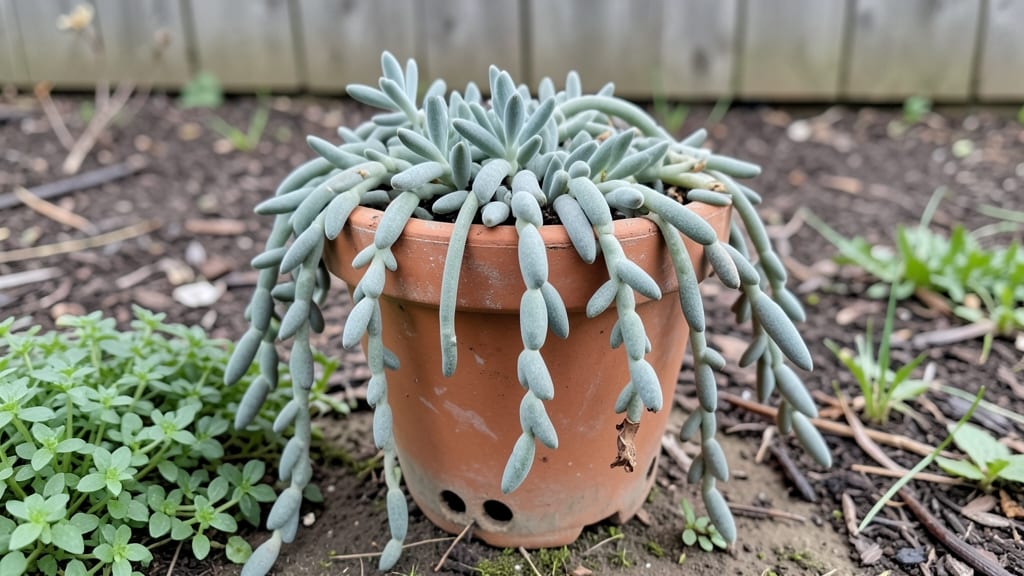
My soggy backyard taught me that not all plants drown in wet soil—some thrive in it. ✨ These water-resistant plants turn standing water into an advantage, whether you're dealing with a bog garden, heavy clay, or a yard that stays damp after every rain.
The right choices mean lush foliage and zero fuss, even when your neighbors' gardens look like mud puddles.
Think ferns that unfurl like delicate green fans, hostas with broad leaves that hold moisture like sponges, or asters that bloom late into fall. Native wetland species like swamp milkweed or pickerelweed add drama while supporting local pollinators.
The secret isn't draining the soil—it's selecting plants that evolved to handle it, often with roots adapted to filter excess water.
You'll end up with a garden that stays vibrant even after days of rain, requires less mowing (thanks to dense ground covers), and might even help control erosion on slopes.
These plants also need fewer fertilizers since they're used to nutrient-rich, waterlogged conditions. Plus, they cut back on the backbreaking work of amending heavy soil.
From Pacific Northwest rain gardens to Southeast swamps, these plants adapt to local climates while keeping your landscape lush and low-maintenance. Let’s pick the perfect species for your soggy spot—and make that waterlogged soil work for you instead of against you.
📚 In This Guide
- What you need
- Instructions
- Tips and common mistakes
- Wrapping up and next steps
What you need
- ● Water-resistant plants: 5–10 plants (e.g., Calla lilies, Canna lilies, Blue flag iris, Sweet flag, Marsh marigold). Potting soil: 10–20 gallons of peat-based or water-retentive mix (e.g., 50% peat moss, 30% perlite, 20% compost). Containers or garden beds: For containers: 5–10 large pots (12+ inches deep) with drainage holes. For bog gardens: Waterproof liner (EPDM rubber or pond liner) + gravel base (1–2 inches).
How to select and plant water-resistant plants for bog gardens
Here's my go-to approach for creating a lush, low-maintenance wetland garden that thrives where others drown.
🌱 Step 1: Choose Plants That Thrive in Soggy Conditions
Start with native species that naturally handle wet feet. My top picks for 4 plants include cattails (for vertical interest), blue flag iris (vibrant blooms), pickersweed (buttery yellow flowers), and swamp milkweed (for pollinators). These plants evolved to handle standing water and even benefit from it.
Skip anything labeled "drought-tolerant"—those will rot in soggy soil. Look for plants with broad leaves that can absorb excess moisture efficiently. I always check the USDA Plant Hardiness Zone map to ensure my selections match my local climate—waterlogged plants need the right temperature range too.
🪴 Step 2: Prepare the Wetland Garden Site
Select a low-lying area where water naturally collects after rain. If needed, dig a shallow basin 6-12 inches deep to create a permanent water feature. Line the bottom with 2 inches of sand to improve drainage slightly while still maintaining moisture.
Add 3-4 inches of organic compost mixed into the top 6 inches of native soil. This boosts fertility without compacting the wet ground. Avoid tilling—wet soil compacts easily and can suffocate roots. Instead, gently loosen the top layer with a fork to create pockets for roots to establish.
☀️ Step 3: Plant with Proper Spacing and Depth
Space plants according to their mature size—2-3 feet apart for most wetland perennials. Dig holes twice as wide as the root ball but only as deep as the container. Waterlogged soil can suffocate roots if buried too deep.
Place each plant gently into its hole, then fill with water to settle the soil around roots. Press lightly but don't compact—wet soil stays heavy, and roots need air pockets. I always plant on an overcast day to reduce transplant shock, especially for moisture-loving species.
💧 Step 4: Maintain Water Levels and Monitor Growth
Most wetland plants thrive with 1-2 inches of standing water during growing season. If your site dries out completely, add a shallow water feature or install a small recirculating pump to keep moisture consistent. I use a clear plastic liner in the basin to prevent soil erosion while allowing roots to breathe.
Watch for yellowing leaves—this usually means too much water, not too little. Wetland plants handle moisture well, but stagnant water can lead to fungal issues. Add a few water lilies or pond plants to keep the water moving naturally and discourage algae buildup.
✂️ Step 5: Prune and Divide as Needed
Cut back dead foliage in early spring before new growth appears. For perennials like cattails and swamp milkweed, I leave 6-8 inches of stem to protect the crown from winter cold. Divide clumps every 3-4 years in early spring to prevent overcrowding—waterlogged soil speeds up plant maturity.
If any plants struggle, don't blame the water—check for pests like slugs or snails, which thrive in damp conditions. A light application of diatomaceous earth around the base keeps them away without harming your wetland garden's ecosystem.
Tips & tricks for perfect water-resistant bog garden planting
Creating a thriving wetland garden takes more than just picking the right plants—it's about understanding their unique needs. Here are the secrets I've learned to make sure your water-resistant garden stays lush and healthy year after year.
Selection Tip: When choosing your plants, focus on native species first—they've already adapted to your local climate and water conditions. For example, blue flag iris and swamp milkweed not only handle wet feet but also attract pollinators, giving you double the benefits. I always verify each plant's mature size before purchasing so I can plan proper spacing from the start. Remember, these plants grow quickly in waterlogged conditions, so their mature dimensions matter more than with drier gardens.
Soil Preparation Strategy: The 2-inch sand layer at the bottom of your basin isn't just for drainage—it creates a natural filtration system that prevents compaction while still maintaining moisture. When mixing in that 3-4 inches of organic compost, think of it as creating a sponge layer that holds nutrients while allowing excess water to flow through. I've found that using a garden fork to gently loosen the soil (rather than tilling) creates perfect air pockets for roots to establish without compacting the wet ground.
Planting Technique: That 2-3 feet spacing might seem generous, but it's crucial for preventing competition in waterlogged soil where roots can't spread as easily. When you fill the holes with water to settle the soil, you're actually creating a natural irrigation system that helps the roots establish immediately. I plant on overcast days specifically to reduce transplant shock—moisture-loving plants are particularly sensitive to the stress of bright sunlight during their first few days in the ground.
Maintenance Insight: The 1-2 inches of standing water during growing season is your sweet spot—too little and your plants will dry out, too much and you risk fungal issues. I've had the most success using a clear plastic liner not just to prevent erosion, but also to monitor water levels visually. If you notice yellowing leaves, it's usually a sign of too much water or poor circulation, not too little—these plants actually thrive with moisture but hate stagnant conditions.
Pro Tips for Water Resistant Plants
- Creating a thriving wetland garden takes more than just picking the right plants—it's about understanding their unique needs.
- Selection Tip: When choosing your plants, focus on native species first—they've already adapted to your local climate and water conditions.
- Soil Preparation Strategy: The 2-inch sand layer at the bottom of your basin isn't just for drainage—it creates a natural filtration system that prevents compaction while still maintaining moisture.
Frequently asked questions
What are the best water-resistant plants for beginners?
Start with hardy, low-maintenance picks like Carex (sedges), Iris pseudacorus (yellow flag iris), or Mentha aquatica (water mint). These thrive in wet conditions and are forgiving for new gardeners. Avoid fussy tropicals—stick to native or wetland species!
How long does it take for water-resistant plants to establish?
Most wet-loving plants take 1–2 growing seasons to fully establish roots. During this time, they may look leggy but are building resilience. Pro tip: Mulch with organic matter (like peat or compost) to speed up root growth in waterlogged soil.
Can I grow water-resistant plants in containers?
Yes! Use containers with drainage holes and a mix of peat moss, perlite, and potting soil (50/30/20 ratio). Great container picks: Pogonia ophioglossoides (snake-mouth orchid) or Lobelia cardinalis (cardinal flower). Just ensure they get consistent moisture—not soggy!
Will water-resistant plants attract pests like mosquitoes?
Not necessarily! While stagnant water can breed mosquitoes, healthy, flowing water-resistant plants (like Caltha palustris or Gunnera manicata) create moving water ecosystems that deter pests. Pro tip: Add a small solar-powered fountain to keep water circulating and pests away.
What if my water-resistant plants start wilting or turning yellow?
Yellowing leaves often signal too much water (root rot) or poor drainage. Let the soil dry slightly between waterings, or amend it with sand or gravel. Brown edges? It might be nutrient deficiency—fertilize lightly with a balanced, water-soluble mix in spring.
| Issue | Quick Fix |
|---|---|
| Mushy stems | Improve airflow; avoid overcrowding. |
| Slow growth | Add compost or slow-release fertilizer. |
| Fungal spots | Prune affected leaves; use fungicide if severe. |
Wrapping up and next steps
Choosing water-resistant plants is a game-changer for wet climates, bog gardens, or even rainy patches in your yard! 🌧️ From hardy Calla lilies to resilient Pondweed, these plants not only survive but thrive in soggy conditions—adding beauty and function to your space.
Whether you're a seasoned gardener or just starting, these low-maintenance picks make landscaping easier and more rewarding.
Ready to transform your soggy spots into a lush, vibrant oasis? Start small—pick one or two plants from our list, test your soil’s moisture, and watch your garden flourish! 🌱 For extra inspiration, sketch a quick layout or snap photos of your space before planting. Happy gardening!