
Plants
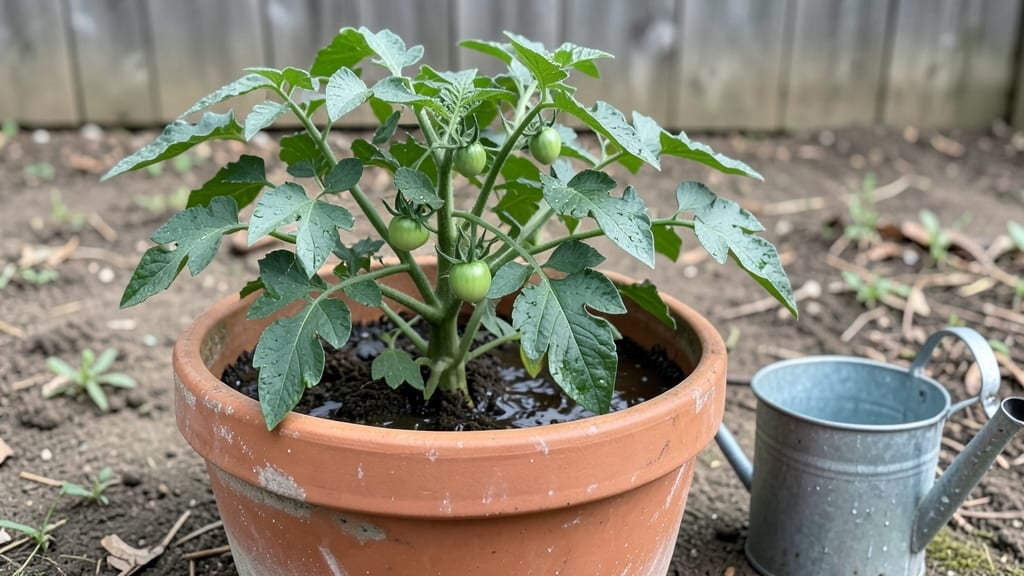
Plants can drown when overwatered, suffocating roots by cutting off oxygen and causing rot, yellowing leaves, or wilting despite moist soil. Adjust watering frequency and improve drainage to prevent this common but deadly issue.
When roots sit in soggy soil too long, they starve for oxygen—like suffocating underwater. 🌱 This triggers a cascade: harmful microbes multiply, roots rot, and the plant struggles to absorb nutrients even when soil looks damp.
The damage often starts silently, so many gardeners miss the early warning signs like drooping leaves or a foul smell from the soil. Even hardy plants like ferns or peace lilies can't recover if their roots stay waterlogged for more than a few days.
To revive a drowning plant, start by checking the soil's moisture level with your finger—if the top 2 inches stay wet for more than 24 hours, you're overwatering. 💧 For potted plants, consider repotting into a mix with perlite or sand to improve airflow, or add a layer of gravel at the bottom of the pot.
If the roots are already mushy and black, prune the damaged sections and let the soil dry completely before watering again. The key is balance: most plants prefer slightly dry soil between waterings rather than a constantly damp environment.
💡 In This Article
- How Overwatering Strangles Plant Roots
- Fixing Drowned Plants: Step-by-Step Recovery Guide
How overwatering strangles plant roots
Here's what's actually happening at the root level when you overwater: roots need oxygen to breathe, just like us. When soil stays saturated, tiny air pockets between soil particles get displaced by water, creating anaerobic conditions.
This forces roots to switch from aerobic respiration (using oxygen) to fermentation—a desperate, inefficient process that produces toxic ethylene gas. Ethylene buildup triggers stress responses, like leaf yellowing or wilting, even when the soil feels damp to the touch.
The damage escalates when beneficial soil microbes—like mycorrhizal fungi that help roots absorb nutrients—get crowded out by anaerobic bacteria.
These harmful microbes release enzymes that break down root cell walls, causing rot. 🌱 For example, succulents like jade plants have shallow, water-storing roots that suffocate within 24-48 hours of constant moisture, while tropical plants like ferns can tolerate slightly wetter conditions but still struggle when roots stay submerged for over 72 hours.
The key difference? Succulents evolved in arid climates where water is scarce, so their roots lack protective adaptations.
Nutrient uptake gets disrupted too. Roots absorb water and minerals through osmosis, but in waterlogged soil, the excess moisture dilutes the soil solution, making it harder for plants to access phosphorus and nitrogen—critical for growth.
This explains why overwatered plants often show signs like stunted growth or purple stems (a phosphorus deficiency symptom), despite having plenty of water. The irony? The plant is literally drowning in water but starving for essential nutrients.
Texture plays a role too. Heavy clay soils hold water like a sponge, while sandy soils drain quickly. A soil's porosity (the percentage of air and water it can hold) determines how fast roots suffocate.
For instance, cactus soil mixes with 50-70% perlite or pumice to create air pockets, while tropical plants thrive in peat-based mixes that retain moisture but still allow airflow.
Testing your soil's drainage by filling a pot, watering it, and timing how long it takes to drain through the bottom can reveal if you're creating a root suffocation zone.
What most people don't realize is that overwatering also triggers a feedback loop. As roots rot, they release more ethylene gas, which signals the plant to drop leaves and conserve energy.
This explains why some plants wilt dramatically even when the soil is visibly wet. 💧 The plant is essentially shutting down its above-ground systems to protect what little root function remains.
In extreme cases, this leads to complete root collapse, where the plant can no longer support itself—even if you stop watering immediately.
Even seemingly resilient plants aren't immune. Take the peace lily (Spathiphyllum), for example: its thick, waxy leaves mask root stress until it's too late. By the time you notice brown leaf tips, the roots may already be 50% rotted.
The lesson? Always check the soil moisture 1 inch below the surface before watering again—this is where the roots are actively growing and most vulnerable to suffocation.