
How To
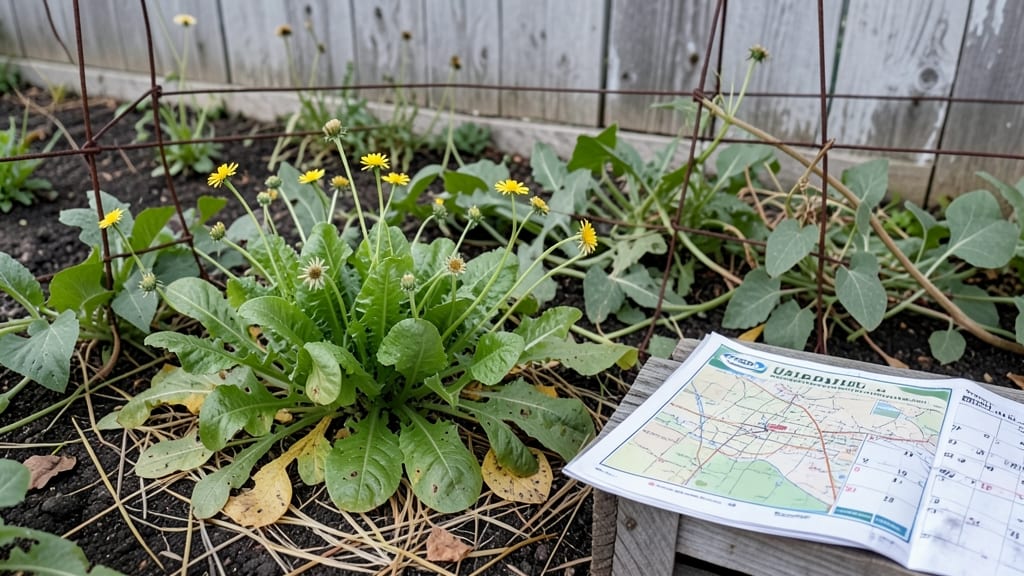
The USDA planting map is your secret weapon for a garden that thrives—not just survives, ✨ and I’ve planted tomatoes in Zone 7 only to watch them freeze in Zone 5, and that’s before we even talk about frost dates.
This map isn’t just about where you live; it’s about when to plant, when to protect, and when to give up on certain crops entirely.
The USDA Plant Hardiness Zone Map divides the country into 13 zones based on average annual minimum temperatures. But here’s the secret: frost dates matter more for seasonal planning than the zone itself.
For example, Zone 6’s last frost can range from late April to early June depending on whether you’re in the mountains or near the coast. Knowing your exact frost dates tells you when to start seeds indoors, when to harden off seedlings, and when to plant heat-loving veggies like peppers.
Once you’ve got your zone and frost dates locked in, you’ll never guess when to plant again. No more bolting lettuce or frozen basil—just a garden that follows nature’s rhythm. You’ll also spot which crops are worth the extra effort in your area (hint: potatoes love Zone 3, but eggplants?
Not so much). Let’s decode your zone so you can start planning with confidence.
Pro tip: Edge zones (like 5b/6a) need extra attention—adjust planting times by a week or two, and always have row covers ready. The map is your starting point, but local weather patterns write the final chapter. Here’s how to use it like a pro.
📚 In This Guide
- What you need
- Instructions
- Tips and common mistakes
- Wrapping up and next steps
What you need
- ● USDA Plant Hardiness Zone Map (Digital or Printed): Access to the blank">official USDA Plant Hardiness Zone Map (free online).
- ○ Optional: Print a copy for easy reference (8.5" x 11" or larger).
- ● Local Frost Date Data: Average last frost date (spring) and first frost date (fall) for your area (check blank">The Old Farmer’s Almanac or local agricultural extensions).
- ● Garden Planner or Notebook: Sketchpad, graph paper, or digital tool (e.g., Google Sheets, blank">Garden Planner App) to map out your garden.
- ● Measuring Tape (10–25 ft): For accurately scaling your garden layout.
- ● Pencil or Fine-Tip Marker: For marking zones and planting dates on your map.
- ● Seed Packets or Planting Guide: Include days to maturity for each crop (check the back of seed packets or USDA crop profiles).
- ● Highlighters or Colored Pens (3–5 colors): To differentiate planting zones, frost dates, and crop families.
- ● Soil Thermometer: Monitor soil temperatures to fine-tune planting times (especially for heat-sensitive crops like lettuce or peas).
- ● Planting Calendar: Pre-made calendars aligned with your USDA zone (available online or in gardening books).
- ● GPS App or Coordinates: Pinpoint your exact location for hyper-localized zone data (useful if you’re near a zone boundary).
- ● Weather App with Alerts: Stay ahead of unexpected frost or heatwaves that might disrupt your planting schedule.
- ● Compost or Soil Amendments: Prep your soil ahead of time to ensure optimal growing conditions once you plant.
How to use the USDA planting map for your garden
Here's how to decode frost dates and zone numbers to time your planting perfectly.
🌱 Step 1: Find Your USDA Hardiness Zone
Start by locating your exact USDA zone using the interactive map on the USDA website. Each zone represents a 10°F temperature range, like Zone 6a (0-5°F) or Zone 8b (20-25°F). I always double-check my zip code—sometimes cities straddle two zones, and that affects what you can grow.
Write down your zone number. This tells you which plants survive your winters. For example, Zone 5 can handle cold-hardy kale, while Zone 9 might need to protect tender tomatoes from light frosts. Don’t guess—use the official map to avoid disappointment.
☀️ Step 2: Determine Your Last Frost Date
Once you know your zone, find your average last frost date—the last time temperatures typically drop below 32°F in spring. The USDA map often includes this, or check local agricultural extensions for precise dates. In Zone 7, this might be April 15, while in Zone 4, it could be May 10.
Count back 2-4 weeks from that date for warm-season crops like tomatoes and peppers. They need soil temperatures above 60°F to thrive, and cool soil delays germination. I always test soil temp with a soil thermometer—if it’s still below 55°F, hold off planting.
⏰ Step 3: Plan for First Frost Timing
Now, find your first frost date—when temps usually drop below 32°F in fall. This tells you how long you have to harvest or protect tender plants. In Zone 6, it might be October 15, while in Zone 10, it could be December 1. Write these dates down—they’re your garden’s bookends.
Use this to schedule short-season crops like bush beans or radishes, which mature in 30-60 days. If your growing season is only 120 days, stick to fast varieties. I once planted 90-day tomatoes in Zone 4—they never ripened before frost. Learn from my mistake!
🌿 Step 4: Adjust for Microclimates
Your yard might not match the zone perfectly. South-facing slopes warm up faster, while low areas stay colder. I’ve seen Zone 6 gardens near a lake where Zone 7 plants thrive because of milder microclimates. Observe your space for 3 years to spot patterns.
Use row covers or cold frames to extend seasons in colder zones. In Zone 5, I protect lettuce with a floating row cover until May 1, letting me harvest greens 2 weeks earlier than neighbors. Even small tweaks make a difference.
✂️ Step 5: Build Your Planting Schedule
Now, organize your crops by maturity time and frost tolerance. Plant cool-season crops (spinach, peas) 4-6 weeks before last frost, and warm-season crops (peppers, squash) 2 weeks after. I use a planting calendar to track everything—it’s saved me from missed deadlines.
Don’t forget succession planting! In Zone 8, I sow bush beans every 2 weeks from April to July to keep a steady harvest. The USDA map gives you the big picture, but smart scheduling turns it into a bountiful garden.
Tips & tricks for perfect garden planning using the USDA planting map
These practical tips will help you make the most of your USDA zone information and frost dates.
The Zone Factor: Remember that each USDA zone represents a 10°F temperature range, so don't assume you can grow Zone 7 plants in Zone 6. For example, tender basil thrives in Zone 9 but might not survive winters in Zone 7 without protection. I've learned this the hard way after losing several plants to unexpected cold snaps.
Soil Temperature Matters: That 60°F soil temperature recommendation in Step 2 isn't just arbitrary—it's when most seeds finally germinate reliably. I always test soil temperature with a thermometer before planting warm-season crops. If it's still below 55°F, even if your last frost date has passed, your seeds might just sit there waiting for warmer conditions.
Microclimate Mastery: Your yard's microclimates can shift your effective zone by one or more numbers. I've seen south-facing garden beds in Zone 6 grow Zone 7 plants successfully because they warm up faster. Take notes for 3 years to spot these patterns—where the morning sun hits, where cold air settles, and how wind affects different areas.
Season Extension Strategy: Don't let those first frost dates discourage you. I've used row covers to extend my growing season by 2-4 weeks in colder zones. For example, in Zone 5, I protect lettuce until May 1 instead of April 15, giving me an extra harvest before summer heat sets in.
Pro Tips for Usda Planting Map
- These practical tips will help you make the most of your USDA zone information and frost dates.
- The Zone Factor: Remember that each USDA zone represents a 10°F temperature range, so don't assume you can grow Zone 7 plants in Zone 6.
- Soil Temperature Matters: That 60°F soil temperature recommendation in Step 2 isn't just arbitrary—it's when most seeds finally germinate reliably.
Frequently asked questions
What is the USDA Planting Zone Map, and why does it matter?
The USDA Planting Zone Map divides the U.S. into 13 hardiness zones based on average annual minimum temperatures. It helps gardeners choose plants that thrive in their local climate, ensuring better survival rates and healthier growth. Think of it as your garden’s weather GPS!
How do I find my last frost date using the USDA map?
While the USDA map shows zones, not exact frost dates, you can cross-reference it with local weather data or tools like the Old Farmer’s Almanac. Most zones provide a range—check your state’s agricultural extension office for precise dates in your area.
Can I plant outside my USDA zone if I use containers or greenhouses?
Containers and greenhouses extend your growing season by modifying microclimates. For example, Zone 5 gardeners often grow tropical plants in pots during summer. Just monitor soil temps and protect plants from unexpected cold snaps. Pro tip: Use frost cloths for extra insulation!
What if my planting window is too short for my favorite crops?
Opt for fast-maturing varieties (check seed packets for “days to harvest”) or try succession planting—stagger seeds every 2–3 weeks. Leafy greens (like lettuce) and radishes grow quickly, while tomatoes and peppers benefit from season extenders like cold frames or row covers.
My plants died despite following the USDA zone. What went wrong?
Zones are guidelines, not guarantees! Other factors like soil quality, sun exposure, and watering habits play huge roles. Keep a garden journal to track issues, and consider soil tests (many extension offices offer free/low-cost testing). Sometimes, microclimates (e.g., a sunny south-facing wall) create warmer pockets!
Are there alternatives to the USDA Planting Zone Map?
Yes! The USDA Interactive Plant Hardiness Map lets you zoom in for hyper-local data. Apps like Gardenate also sync planting dates with your zip code. For urban gardeners, heat-island effects may push you into a “warmer” zone—adjust accordingly!
Wrapping up and next steps
Mastering the USDA Planting Map unlocks the secret to a thriving garden—timing is everything! 🌱 Whether you’re a seasoned gardener or just starting, understanding your hardiness zone and frost dates ensures your plants flourish.
Now that you’re equipped with the knowledge, take the next step: sketch a simple planting calendar tailored to your zone, and watch your garden dreams grow!
💡 Pro Tip:
Use the USDA Plant Hardiness Zone Map as your guide, but don’t forget to check local microclimates—your backyard might have its own unique growing secrets!