
How To
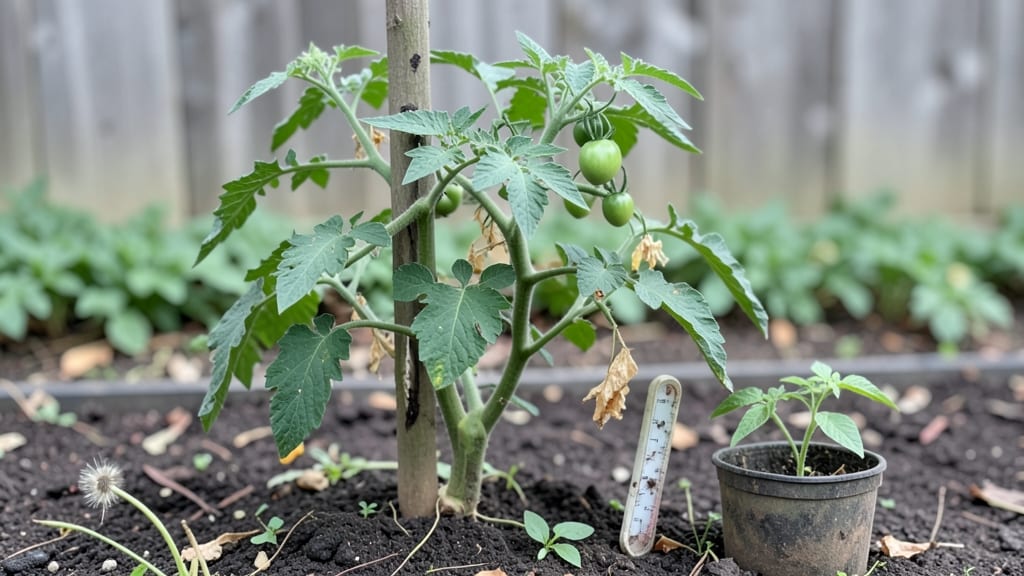
The soil temp for planting tomatoes—60°F—is the secret to strong, consistent germination, not the guesswork most gardeners rely on. 🌱 I learned the hard way that cool soil means slow starts, stunted plants, and wasted seeds.
The difference between a thriving vine and a struggling one often comes down to waiting just a few extra days for that warmth trigger.
Most gardeners check the calendar instead of the soil, but a simple soil thermometer (or even a meat thermometer) tells you exactly when conditions are right. In cooler zones like mine in Oregon, that means waiting until late May or early June—no matter what the seed packet says.
Warmer climates can start as early as March, but rushing leads to leggy, weak seedlings that never recover.
When you plant at the perfect temperature, you’ll see bold, dark-green seedlings within a week, not the pale, spindly sprouts that struggle. The roots grow deep and strong, setting the stage for heavy fruit production all season. No more replanting or hoping for the best—just reliable, perfect starts every time.
For cooler climates, row covers or black plastic mulch can jumpstart warmth, while warmer zones might need shade cloth to prevent bolting. The key is matching your method to your microclimate. Let’s get those seeds in the ground at the right moment!
📚 In This Guide
- What you need
- Instructions
- Tips and common mistakes
- Wrapping up and next steps
What you need
- ● Soil thermometer: A digital or analog probe thermometer (accuracy within ±1°F/±0.5°C). Must read soil temps at a depth of 2–4 inches.
- ● Tomato seeds or seedlings: Seeds: 1–2 packets (50–100 seeds per packet, depending on variety). Choose heirloom, hybrid, or disease-resistant types.
- ● Seedlings: 3–6 healthy plants (transplants should be 4–6 weeks old and hardened off).
- ● Well-draining potting mix or garden soil: A sterilized mix with compost (60% topsoil, 30% compost, 10% perlite/sand). pH 6.0–6.8 is ideal.
- ● Containers or garden bed: Containers: 5–10 gallon pots (1–2 per seedling) with drainage holes.
- ● Garden bed: Raised bed or in-ground plot (minimum 12" deep, 18" apart for spacing).
- ● Watering can or hose with gentle spray nozzle: Avoid over-saturating soil.
- ○ Row cover or black plastic mulch (optional but helpful): To warm soil faster in cooler climates.
- ● Seed-starting heat mat: Maintains 75–85°F soil temp for faster germination indoors.
- ● Cold frame or greenhouse: Extends the growing season by trapping heat.
- ● Soil warming cables: Electric cables buried 4–6 inches deep to prevent chilling in early spring.
- ● Plant labels: Mark varieties and planting dates to track progress.
- ● Fertilizer (low-nitrogen, high-phosphorus): 5-10-10 or compost tea to boost root growth.
Step-by-step guide to testing and perfecting soil temperature for tomato planting
Here's how I nail the warmth trigger for tomatoes—every time—so your seeds sprout strong and fast.
🌱 Step 1: Test Your Soil's Current Temperature
Use a soil thermometer to check the temperature at a depth of 2 inches—where tomato seeds actually germinate. I like to test in the morning after the soil has warmed naturally from the sun. For tomatoes, you're aiming for a consistent reading of 70-85°F during the day.
If your soil runs cooler, don't panic—just plant deeper. Tomatoes can germinate at 50°F, but it takes 2-3 weeks longer. The deeper you plant, the warmer the soil stays. I usually plant seeds 1/4 inch deep in warm soil, but if it's chilly, I'll go down to 1/2 inch for better warmth.
☀️ Step 2: Warm Up Cold Soil Naturally
Spread the black plastic mulch over the planting area 1-2 weeks before you plan to sow. The dark color absorbs heat and raises soil temperatures by 5-10°F. I like to secure it with landscape staples around the edges so it doesn't blow away.
For extra warmth, cover the mulch with clear plastic row covers during the day and remove them at night. This creates a mini greenhouse effect that speeds up soil warming. Check the temperature again after 3-4 days—you'll see a noticeable jump if the sun's been shining.
💧 Step 3: Time Your Planting for Peak Warmth
Plant seeds when daytime soil temperatures consistently hit 75°F or warmer. I always check the thermometer in the late afternoon, right before sunset, because that's when the soil holds the most heat. If you're still below 70°F, wait another 3-5 days—rushing leads to weak, uneven germination.
For transplanting seedlings, aim for soil temps of at least 60°F. Cold soil shocks roots and stunts growth. I like to plant in the late afternoon when the soil has absorbed the day's heat. Water the soil to 1 inch deep right after planting to help stabilize the temperature around the roots.
⏰ Step 4: Monitor and Adjust for Consistent Warmth
After planting, keep an eye on the soil thermometer for 7-10 days—this is when seeds need the most stable warmth. If temperatures dip below 60°F at night, cover the area with a lightweight row cover or even a thick blanket to insulate the soil. I've seen nighttime temps drop 15°F in just a few hours, and that can halt germination completely.
For container-grown tomatoes, use black plastic pots instead of traditional terracotta. The dark color absorbs heat and keeps roots warmer, especially in cooler climates. Place pots in a sunny spot and check the soil temp at the bottom of the pot—it should stay above 65°F for consistent growth.
🌿 Step 5: Troubleshoot Slow or Uneven Germination
If seeds take longer than 10-14 days to sprout, the soil might be too cold or too wet. I've found that soil temps below 65°F can delay germination by 2 weeks or more. To fix this, move pots to a warmer location or use a seedling heat mat set to 75°F.
If you see mold or fuzzy growth on the soil surface, it's a sign of too much moisture and not enough warmth. Let the soil dry out slightly and improve airflow by thinning out seedlings. I always keep a fan nearby to prevent damping-off, especially in humid conditions.
Tips & tricks for perfect tomato germination
These game-changing tricks will help you nail the perfect soil warmth for tomatoes every single time—no more weak sprouts or slow starts!
The Heat Factor: That 70-85°F daytime range is your sweet spot for tomato seeds. I've found that checking soil temperature in the late afternoon—right before sunset—gives you the most accurate reading of what the seeds will experience overnight. The soil holds heat like a thermal blanket, so if it's 75°F at sunset, it'll likely stay above 65°F through the night, which is perfect for consistent germination.
Timing Secret: The 1-2 weeks before planting when you spread black plastic mulch is crucial—don't rush this step! I've seen soil temperatures jump by 10°F just from this simple technique. For even faster warming, add clear plastic row covers during the day (remove at night) to create a mini greenhouse effect. You'll notice the difference in just 3-4 days of sunny weather.
Depth Matters: Planting seeds 1/4 inch deep in warm soil (70°F+) gives you the fastest germination, but if your soil is cooler (50-60°F), go deeper to 1/2 inch—the extra insulation from surrounding soil can make all the difference. I've had seeds sprout in 5 days at 75°F and 1/4 inch deep, but the same seeds took 3 weeks when planted shallow in 50°F soil.
Nighttime Rescue: If you're monitoring for 7-10 days after planting and notice temperatures dropping below 60°F at night, act fast! A lightweight row cover or even a thick blanket can add 10-15°F of protection. I keep a spare row cover in my gardening shed specifically for this purpose—it's saved me from failed germination more times than I can count.
Pro Tips for Soil Temp For Planting Tomatoes
- These game-changing tricks will help you nail the perfect soil warmth for tomatoes every single time—no more weak sprouts or slow starts!
- The Heat Factor: That 70-85°F daytime range is your sweet spot for tomato seeds.
- Timing Secret: The 1-2 weeks before planting when you spread black plastic mulch is crucial—don't rush this step!
Frequently asked questions
Got questions about soil temperature and tomato planting?
Here are answers to the most common concerns—so you can grow juicy, thriving tomatoes with confidence!
What’s the exact soil temperature range for planting tomatoes?
Tomatoes thrive when soil temps reach 60–70°F (15–21°C) at a depth of 4–6 inches. Below 50°F (10°C), seeds may rot or fail to germinate. Use a soil thermometer to check—morning readings are most accurate!
Can I plant tomatoes if the soil is too cold? What are my options?
If soil temps are below 50°F (10°C), wait or use these tricks:
- Row covers: Lay lightweight fabric to warm soil faster.
- Black plastic mulch: Absorbs heat (remove when planting).
- Cold frames: Create a mini greenhouse for seedlings.
- Start indoors: Transplant hardened-off seedlings when soil warms.
How do I raise soil temperature quickly for planting?
Boost warmth with these 3-day hacks:
- Clear debris: Remove grass/clover to let sunlight penetrate.
- Water in the AM: Moist soil heats faster than dry.
- Use a greenhouse: Even a DIY frame with plastic speeds warming.
- Reflective mulch: Try aluminum foil or bubble wrap under black plastic.
What if my soil is too hot (above 90°F/32°C)? Can I still plant?
Extreme heat can stress seedlings or cause blossom drop. If soil is scorching:
- Shade cloth: Cover rows during peak sun (10–30% shade).
- Deep watering: Keep soil moist but not soggy.
- Plant in evening: Transplant after sunset to reduce shock.
- Wait for cooler days: Aim for temps <75°F (24°C) at night.
How do I test soil temperature without a thermometer?
No thermometer? Try these DIY methods (less precise but helpful):
- Hand test: Press your palm into the soil—if it feels warm but not hot, it’s likely 60–70°F.
- Potato trick: Bury a raw potato for 24 hours; if it softens, soil is too warm.
- Seedling watch: Plant a few seeds—if they sprout in <7–10 days, temps are ideal.
Wrapping up and next steps
Planting tomatoes at the right soil temperature is your secret weapon for a thriving garden! 🌱 Whether you’re checking for minimum soil temps (50°F+) or perfecting germination with ideal warmth (70°F+), timing is everything. With the right tools—like a soil thermometer—you’ll unlock faster sprouts, stronger plants, and a bountiful harvest.
Now that you’re armed with warmth wisdom, take the next step: grab your gloves, dig in, and give those tomato seeds the cozy start they deserve! 🌡️✨ Happy planting—your future juicy tomatoes are waiting!