
Plants
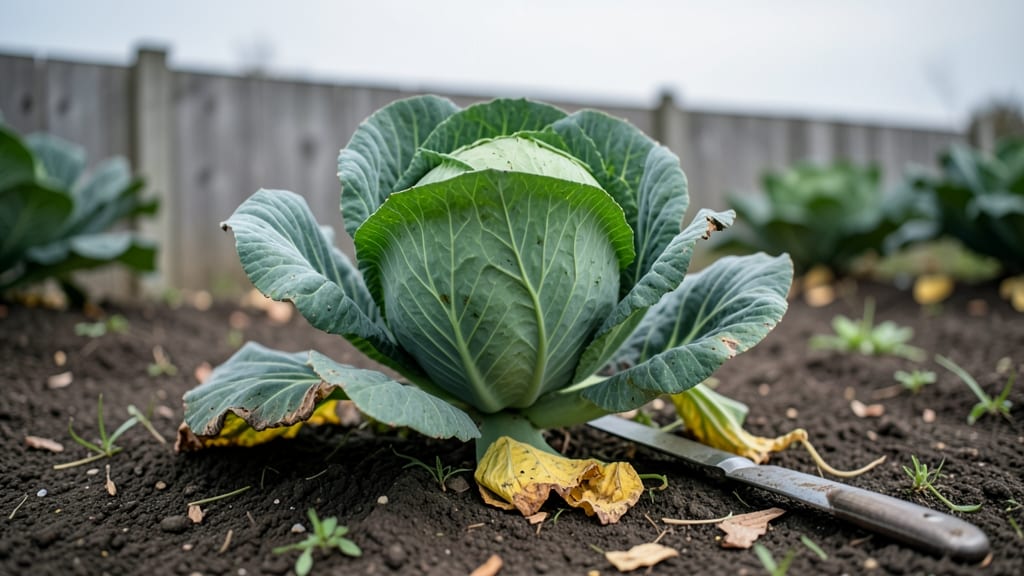
Harvesting cabbage plants at the right time means the difference between a crisp, flavorful head and one that bolts or splits open too soon 🥬 — and it’s easier than you think.
Cabbage plants can be a gardener’s pride—until you face the dilemma of harvesting them at peak freshness while preserving the possibility of regrowth. Timing and technique make all the difference between a bountiful harvest and wasted effort.
Most gardeners wait until the head reaches 6-8 inches in diameter, with tightly wrapped leaves that feel firm to the touch. But if you cut too early, you lose flavor; too late, and the plant may send up a flower stalk instead of giving you another harvest.
In this guide, I’ll walk you through the exact signs to look for, the best tools to use, and how to cut your cabbage so your plant keeps producing—plus how to store your harvest so it stays fresh for weeks.


The perfect timing for harvesting cabbage plants to ensure freshness and regrowth
Harvesting cabbage at the right time ensures you get the freshest, crispest heads while leaving room for regrowth potential. But timing isn’t just about days after planting—it’s about visual and tactile cues that tell you when your cabbage is ready.
Miss these signs, and you risk a bitter taste or a plant that won’t recover.
Most cabbage varieties take between 60 to 120 days to mature, depending on the type. For example, dwarf varieties like 'Golden Acre' mature in about 60 days, while larger heads like 'Late Flat Dutch' can take up to 120 days.
Understanding your specific variety’s maturity timeline is the first step to perfect harvesting.
One of the biggest mistakes gardeners make is harvesting cabbage too early. If you pick heads that are still small and loose, they’ll lack the sweetness and crunch you crave.
On the flip side, waiting too long can lead to heads splitting open or bolting—especially in hot weather—which ruins both the taste and the plant’s ability to regrow.
For leaf cabbage varieties like bok choy or Chinese cabbage, you can harvest outer leaves individually as they mature, leaving the inner leaves to keep growing. This method lets you enjoy a continuous harvest without waiting for a full head.
However, for heading cabbage, you’ll need to cut the entire head at once to preserve its shape and flavor.
Seasonal timing also plays a crucial role. In cooler climates, aim to harvest cabbage in late summer or early fall when temperatures are mild.
In warmer regions, focus on harvesting in spring or fall to avoid the stress of midday heat, which can cause heads to bolt prematurely.
If you’re hoping for regrowth after harvesting, timing is even more critical. Cut the head just above the base leaves, leaving at least 2-3 inches of stem intact. This ensures the plant still has enough energy to produce new side shoots.
However, not all cabbage varieties regrow well—leaf cabbage tends to perform better than heading types.
Watch for signs that your cabbage is ready for regrowth, like new leaves emerging from the center. If the plant looks wilted or stressed after harvesting, it may not recover.
In this case, it’s better to let it rest or compost the plant to enrich your soil for next season.
To maximize your harvest, consider successive planting. Instead of sowing all your cabbage seeds at once, stagger them every 2-3 weeks. This way, you’ll have a steady supply of fresh cabbage throughout the growing season, reducing the pressure to harvest everything at once.
Finally, always use a sharp, clean knife when cutting cabbage heads. A dull blade can crush the stem, making it harder for the plant to recover. After harvesting, water the base thoroughly and apply a light fertilizer to encourage regrowth.
Step-by-step guide to cutting cabbage plants without damaging future growth
Harvesting your cabbage plants at the right time is just the first step—cutting them correctly ensures both your freshness and the plant’s ability to regrow. A sharp knife and the right technique prevent disease while maximizing your second harvest.
Whether you’re dealing with head cabbage or leafy varieties, precision matters most.
Before you begin, gather your tools: a clean, sharp knife, gardening gloves, and a bucket of ice water to store your harvest. For head cabbage, aim to cut just above the outer leaves to leave the growing point intact.
For leaf cabbage, like kale or bok choy, focus on trimming outer leaves without damaging the central stem.
Step-by-Step Cutting Guide
- Step 1: Choose the Right Time Harvest in the morning when temperatures are cool (50-70°F). Avoid harvesting after rain or when soil is waterlogged.
- Step 2: Select Your Tool Use a sterilized knife or pruners. A sharp blade reduces tearing and disease risk. Wipe with rubbing alcohol before use.
- Step 3: Position the Knife For head cabbage, angle the knife at 45 degrees and cut 1-2 inches above the outer leaves. For leaf cabbage, cut 1/3 of the outer leaves at a time, leaving the inner growth intact.
- Step 4: Make the Cut Slice cleanly in one motion. Avoid crushing the stem or leaving jagged edges, which invite pests and rot. For regrowth, leave at least 6 inches of stem below the cut.
- Step 5: Handle Post-Harvest Immediately place harvested heads in ice water to preserve freshness. For regrowing plants, remove damaged leaves and apply a balanced fertilizer (10-10-10) to encourage new growth.
- Step 6: Monitor Regrowth Water deeply after cutting to reduce stress. If the plant produces new leaves within 2-3 weeks, it’s ready for another harvest. If not, it may be exhausted and should be composted.
Not all cabbage varieties regrow equally. Head cabbage, like Greenbow or Golden Acre, often produces smaller second heads, while leaf cabbage varieties, such as Red Russian kale, can yield multiple harvests if cared for properly. Always prioritize leafy varieties for regrowth success.
After cutting, inspect your plant for signs of stress, like yellowing leaves or wilting. If the central stem remains firm and green, it’s a good sign for regrowth.
However, if the plant looks weak or stunted, it may need extra care, such as mulching or shade cloth, to recover.
Remember, the key to regrowth lies in timing, technique, and post-harvest care. With these steps, you’ll enjoy a second harvest and extend your garden’s productivity well into the season. Happy harvesting!