
Pruning
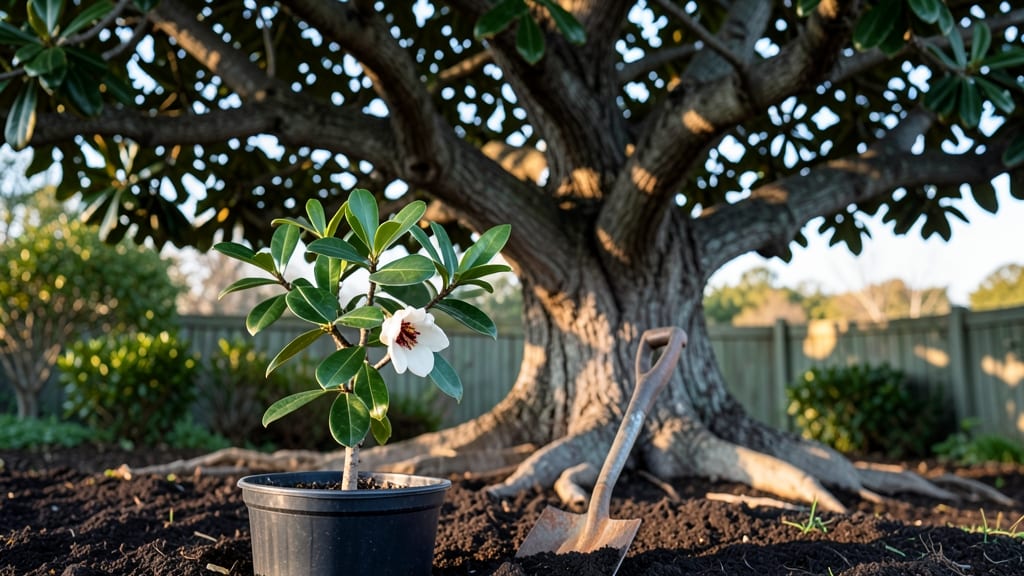
Planting trees as part of your wedding isn’t just romantic—it’s a living legacy that grows with your love. 🌿 I’ve designed arboretum-style wedding gardens where the ceremony takes place beneath young saplings, their leaves rustling like confetti as the couple exchanges vows.
The trees become silent witnesses to the day, their roots intertwining with the memory of the celebration.
Start with fast-growing, low-maintenance species like dogwood or serviceberry—their delicate blooms add natural elegance, while their mature height creates a dreamy canopy. Place them in clusters along the aisle or as a backdrop for the altar, ensuring they’re planted at least 18 inches deep for stability.
A ceremonial planting ritual—where guests help tuck soil around the roots—turns the reception into a participatory moment.
By your first anniversary, those saplings will have grown taller than your wedding dress, their branches heavy with leaves that whisper your story. The venue transforms from a temporary space into a permanent sanctuary, where future generations can walk beneath the trees you planted together.
Even the soil remembers the day.
For rustic weddings, opt for native oaks or maples; for eco-friendly themes, choose drought-resistant varieties like redbuds. Just avoid anything too fragile—your arboretum should outlast the guestbook. The key is planning ahead: trees need time to establish before they become the centerpiece they’re meant to be.
📚 In This Guide
- What you need
- Instructions
- Tips and common mistakes
- Wrapping up and next steps
What you need
- ● Tree saplings: 10–50+ (depending on scale), native species for sustainability (e.g., oak, maple, or flowering trees). Pro tip: 🌡️ Choose drought-resistant varieties if your climate is dry!
- ● Shovels/spades: 1 per 2–3 guests (borrow or rent for large groups). Spec: Sturdy, 18–24" length.
- ● Gloves: 1 pair per person (gardening or work gloves). Bonus: Add your wedding colors for branding!
- ● Watering cans or hoses: 1 per 5–10 saplings (or a shared water wagon for efficiency).
- ● Compost/mulch: 2–3 bags per sapling (or bulk delivery for large plantings). Tip: 🌱 Use organic mulch to retain moisture!
- ● Stakes & ties: 1 set per sapling (to support young trees). DIY hack: Use biodegradable twine!
- ○ Markers or flags: Small stakes or biodegradable tags to label trees (optional but romantic!).
- ● First aid kit: 1 (for minor scrapes—because even weddings get messy!).
- ● Personalized tree tags: Engraved with guests’ names or wedding dates (use wood or metal).
- ● Blankets & seating: For guests to relax while planting (think picnic-style!).
- ● Planting guides: Printed instructions for guests on tree care post-wedding.
- ● Photo backdrops: A rustic arbor or floral arch near the planting site for portraits.
- ● Local flora seeds: Small packets for guests to take home as favors.
Step-by-Step instructions for designing a tree planting wedding arboretum
Here's how to create a lush, romantic tree-lined walkway that will be the envy of every guest.
🌱 Step 1: Choose Your Tree Species and Layout
Select fast-growing, non-invasive trees with seasonal interest—think flowering cherries for spring blossoms, deciduous oaks for autumn color, or evergreen pines for year-round structure. I recommend spacing them 15-20 feet apart along your aisle, with a mix of heights to create natural layers. For a 200-foot aisle, you'll need about 10-12 trees total.
Sketch a simple map of your ceremony space, marking where the sun rises and sets. Place taller trees on the north side to avoid casting shadows over guests during key moments. If you're using flowering varieties, coordinate their bloom times with your wedding date—most spring bloomers peak in late April to early May.
🪴 Step 2: Prepare the Planting Sites
Dig holes twice as wide and just as deep as the root ball of each tree. Loosen the soil at the bottom with a shovel to encourage root spread. Amend the native soil with 3 gallons of compost mixed into the bottom of each hole—this improves drainage and provides nutrients without overwhelming the roots.
I always water the hole thoroughly before planting to settle the soil. If your soil is heavy clay, add a layer of 1-2 inches of coarse sand at the bottom to prevent compaction. Avoid planting on slopes—erosion will expose roots and destabilize your trees within months.
☀️ Step 3: Plant with Proper Spacing and Support
Place each tree in its hole so the top of the root ball sits 2-3 inches below ground level. This prevents the trunk from rotting as it settles. Backfill with native soil, tamping gently to remove air pockets, and create a 3-foot wide berm around each tree to direct water toward the roots.
Stake young trees only if necessary—most mature specimens can handle their own weight. If you do stake, use two flexible stakes tied loosely to the trunk with rubber straps. Never tie directly to the bark, as this can girdle the tree as it grows. Water deeply immediately after planting to eliminate air pockets.
💧 Step 4: Mulch and Establish a Watering Schedule
Spread 3-4 inches of mulch in the berm, keeping it 6 inches away from the trunk to prevent rot. Use wood chips or pine straw—avoid dyed mulches that can harm soil chemistry. This layer conserves moisture and regulates soil temperature, which is critical for young trees.
Water each tree with 5 gallons weekly for the first year, more during drought. I set up a drip irrigation system on timers to automate this—consistent moisture prevents transplant shock. Check soil moisture by sticking your finger 2 inches deep**; if it's dry, water again. Overwatering is just as damaging as underwatering.
✂️ Step 5: Maintain Through the First Growing Season
Prune only to remove dead or crossing branches in the first year. Avoid heavy pruning—it stresses newly planted trees. Fertilize lightly in spring with ½ cup of slow-release fertilizer per tree, following package instructions. Too much nitrogen encourages weak, fast growth that can't support itself.
Monitor for pests like aphids or borers—treat immediately with horticultural oil if you spot them. I inspect trees weekly during the growing season, looking for chewed leaves or sawdust-like frass (a sign of borers). Healthy trees develop strong root systems quickly, but stressed ones take years to recover.
Tips & tricks for perfect tree planting wedding arboretum
Creating a breathtaking arboretum for your wedding requires more than just planting trees—it's about thoughtful design and long-term care that transforms your ceremony space into a lasting memory. Here's what I've learned from years of helping couples create their dream tree-lined walkways.
Species Selection Matters: In Step 1, when choosing your tree species, prioritize native varieties that thrive in your climate zone. For example, flowering dogwoods provide stunning spring blooms while being low-maintenance, whereas Bradford pears offer dramatic color but require more pruning. I recommend visiting local nurseries to see how different species perform in your specific environment—what looks perfect in a catalog might struggle in your yard's conditions. Consider adding one fragrant variety like a lilac or magnolia to create a sensory experience for guests walking down the aisle.
Soil Preparation is Non-Negotiable: The soil amendments in Step 2 make all the difference between thriving trees and struggling transplants. If your soil tests show high clay content, consider adding 5-10% perlite or vermiculite to the compost mixture for even better drainage. For sandy soils, incorporate 1 part peat moss to the 3 gallons of compost to improve moisture retention. I've seen weddings ruined by poor soil prep—don't skip this critical step, even if it means renting a soil tester for accurate results.
Watering Wisdom for Long-Term Success: The 5 gallons weekly recommendation in Step 4 is perfect, but here's the secret: water in the early morning to reduce evaporation and fungal risks. Install your drip irrigation system with emitters placed 6-12 inches from the trunk rather than right at the base—this encourages deeper root growth. I always recommend running the system for 30 minutes twice daily during the first month to establish strong root systems before switching to the weekly schedule. This extra attention during the critical first month makes a measurable difference in tree survival rates.
Seasonal Maintenance Calendar: Create a simple checklist for your arboretum's first year: mark spring for fertilization, summer for monthly pest inspections, fall for leaf cleanup (but leave fallen leaves near deciduous trees—they provide natural mulch), and winter for protective wrapping of young bark. I've seen couples forget this seasonal care, only to arrive at their first anniversary and find their arboretum looking neglected. Set phone reminders for key dates—your wedding photos will thank you years later.
Pro Tips for Tree Planting Wedding
- Creating a breathtaking arboretum for your wedding requires more than just planting trees—it's about thoughtful design and long-term care that transforms your ceremony space into a lasting memory.
- Species Selection Matters: In Step 1, when choosing your tree species, prioritize native varieties that thrive in your climate zone.
- Soil Preparation is Non-Negotiable: The soil amendments in Step 2 make all the difference between thriving trees and struggling transplants.
Frequently asked questions
Got questions about turning your wedding into a tree-planting celebration? We’ve got answers!
Here are some of the most common inquiries to help you plan your eco-friendly, romantic arboretum wedding with confidence.
How far in advance should we plan a tree-planting wedding?
Most arboretum weddings require 6–12 months of planning to coordinate with tree planting seasons, permits, and logistics. Spring and fall are ideal for planting—avoid winter (dormant season) or extreme heat. Start by consulting with a local arborist or wedding planner specializing in sustainable events to align your timeline with tree health and growth cycles.
What types of trees are best for a wedding ceremony?
Opt for fast-growing, low-maintenance trees like dogwood, magnolia, or fruit trees (e.g., apple or cherry) for symbolic beauty and longevity. Avoid invasive species or trees with messy pollen. Work with your arborist to choose varieties native to your region—this ensures easier care post-wedding and supports local ecosystems.
Can we still have a traditional ceremony if we’re planting trees?
Many couples blend both elements: plant trees as a pre-ceremony ritual (guests participate before the processional) or incorporate them into vows (e.g., “As this tree grows, so does our love”). For a seamless flow, hire a coordinator to manage transitions—think of it as a living centerpiece that evolves with your marriage!
How much does a tree-planting wedding cost compared to a traditional one?
Costs vary, but tree-planting weddings can be budget-friendly if you DIY or partner with local conservation groups. Expect to invest in:
- Trees/saplings: $5–$50 each (bulk discounts available).
- Permits/land use: $100–$500 (check local regulations).
- Arborist consultation: $200–$800 (one-time fee).
- Tools/supplies: $50–$200 (shovels, gloves, mulch).
What if it rains on planting day? Do we have a backup plan?
Mother Nature can be unpredictable, so have a flexible schedule and backup activities. Plant trees in shaded areas or use tarps to protect saplings temporarily. Shift the ceremony indoors (e.g., a nearby barn or pavilion) while guests help plant or participate in a symbolic tree-planting ceremony with potted plants they can take home.
Will the trees survive after the wedding?
With proper care, yes! Provide guests with a care guide (e.g., watering tips, mulching) and partner with a local nursery or volunteer group to monitor the trees post-event. Choose hearty species and plant during optimal seasons to maximize survival rates. Bonus: Your wedding gift becomes a living legacy for years to come!
Wrapping up and next steps
A tree planting wedding isn’t just a trend—it’s a meaningful, eco-friendly way to celebrate love while leaving a lasting legacy. From selecting native saplings to designing intimate arboretum ceremonies, every detail can reflect your unique bond and commitment to sustainability. 🌱✨
Ready to turn your big day into a green masterpiece? Start by reaching out to local arborists or wedding planners specializing in eco-conscious events. With a little planning, your love story—and the trees you plant—will grow together for years to come!