
Companion Plants
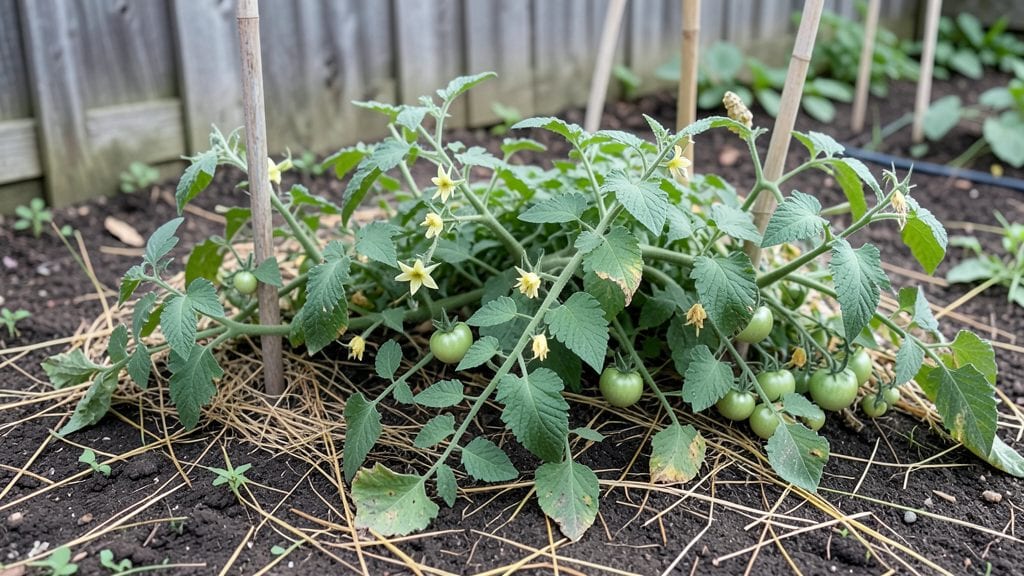
The trailing tomato plants I used to overlook turned my balcony into a lush, high-yield garden—no sprawling beds needed. 4x8-foot plot ever did. The key is choosing the right varieties like 'Tumbling Tom' or 'Sweet Million' and giving them the right support from day one.
You’ll need sturdy trellises, cages, or even a simple string system to guide those vines upward. Start with well-draining soil mixed with compost, and plant seeds indoors 6-8 weeks before your last frost if you’re starting from scratch.
These plants thrive in full sun (6-8 hours daily) and need consistent moisture—never let the soil dry out completely, or those vines will slow their growth.
By mid-summer, you’ll watch those cascading vines heavy with fruit, producing hundreds of tomatoes in the same footprint as a single bush. The pruning is minimal—just pinch off suckers (those little shoots in the leaf junctions) to keep energy focused on fruit production.
With proper care, you’ll harvest until frost, and even then, some varieties keep producing if protected.
Watch for common issues like blight (keep leaves dry) and aphids (spray with soapy water early). These plants are forgiving but need vigilance—especially in humid climates. The payoff? More tomatoes in less space, with less bending and weeding. Perfect for balconies, patios, or even small backyards where every inch counts.
📚 In This Guide
- What you need
- Instructions
- Tips and common mistakes
- Wrapping up and next steps
What you need
- ● Trailing tomato varieties: Choose dwarf or indeterminate types like 'Tumbling Tom,' 'Micro Tom,' or 'Sweet Million' (3-5 plants, depending on space).
- ● Vertical support: Trellis (6-8 ft tall, 2-3 ft wide) or
- ● Tomato cage (5-6 ft tall, reinforced wire) or
- ● DIY frame (PVC pipes, wooden stakes, or bamboo poles with twine).
- ● Potting mix: 5-10 gallons of high-quality, well-draining potting soil (add perlite or compost for aeration).
- ● Containers: Fabric grow bags (5-7 gallons) or large pots (12-18 inches deep) with drainage holes.
- ● Fertilizer: Balanced organic fertilizer (10-10-10) or tomato-specific slow-release granules.
- ● Stakes or clips: Soft plant ties or Velcro clips (10-15 pieces) to secure vines.
- ● Watering can: 1-2 gallon capacity with a gentle spray nozzle.
- ● Pruning shears: Sharp, clean pair for trimming suckers and dead leaves.
- ● Mulch: Straw or shredded leaves (1-2 inches thick) to retain moisture.
- ○ Drip irrigation kit: (Optional) Automates watering for consistent growth.
- ● Shade cloth: Lightweight (30-50%) for hot climates (pro tip: 🌡️ Use during peak afternoon sun!).
- ● Compost tea: Boosts soil health (1-2 applications per month).
Step-by-Step instructions for growing trailing tomato plants vertically
Here's how I transform small spaces into high-yield tomato gardens using simple vertical techniques.
Select and Prepare the Right Containers
Choose containers at least 12 inches deep and 12 inches wide for each plant, since trailing tomatoes need room for both roots and vines. I use fabric grow bags because they allow roots to breathe and prevent soil compaction, which is critical for heavy vines. Ensure each container has drainage holes—trailing tomatoes hate soggy roots.
Fill the container with well-draining potting mix (never garden soil) mixed with compost for nutrients. Leave about 1 inch of space at the top for watering. Tap the container gently to settle the soil, but don’t pack it down—roots need air pockets. This ensures your plants won’t suffocate as they grow.
Plant Strong Transplants and Position for Support
Start with healthy, sturdy transplants that have been hardened off properly. Dig a hole just deep enough to cover the roots but leave the soil line visible—burying too deep can cause stem rot. Place the plant in the center of the container and firm the soil gently around the base.
Immediately install a vertical trellis or cage (I use 5-foot tall tomato cages for trailing varieties). Secure the trellis firmly so it doesn’t topple as vines grow. Position the container in a spot with full sun exposure—trailing tomatoes need 6-8 hours of direct sunlight daily to produce heavy fruit. If your space gets afternoon shade, supplement with a grow light for 4-6 hours.
Train Vines to Climb and Prune Strategically
As the plant grows, gently weave new vines through the trellis or cage, guiding them upward. Don’t force the stems—let them curl naturally. Once the main stem reaches the top of the trellis, pinch off the top growth to encourage bushier side shoots. This creates more fruit-bearing branches while keeping the plant manageable.
Remove suckers (the small shoots that grow in the leaf axils) regularly—they drain energy from fruit production. Focus on keeping 3-4 main stems per plant for trailing varieties. Prune in the morning so wounds have time to heal before evening moisture sets in.
Water and Feed for Maximum Yield
Water deeply once or twice a week, depending on your climate, until water runs freely from the drainage holes. Trailing tomatoes need consistent moisture, but soggy soil leads to disease. I water at the base of the plant in the morning to reduce evaporation and fungal risks. Mulch with straw or shredded leaves to retain moisture and keep roots cool.
Fertilize every 2-3 weeks with a balanced tomato fertilizer (10-10-10 or 5-5-5) to support heavy fruiting. I mix the fertilizer into the soil at planting and top-dress lightly afterward. Avoid high-nitrogen feeds—too much leaf growth means fewer tomatoes. Watch for yellowing leaves, which signal a need for more potassium or phosphorus.
Harvest and Maintain Through the Season
Harvest tomatoes when they’re fully colored and slightly soft to the touch—this ensures peak flavor and prevents overripe fruit from splitting. Pick in the morning when the skin is cool. Trailing varieties often produce smaller fruit, but they’re packed with flavor. Use garden shears to avoid damaging the vine.
Continue pruning and training vines as they grow, especially after heavy harvests. If you notice yellowing lower leaves, it’s normal—remove them to redirect energy to the fruit. By late summer, reduce watering slightly to concentrate flavor. With proper care, your trailing tomatoes will keep producing until the first frost.
Tips & tricks for perfect trailing tomato plants
These simple strategies will help you maximize your yield and keep your trailing tomato plants thriving in compact spaces.
Container Selection: Fabric grow bags are my top recommendation because they allow roots to breathe and prevent soil compaction, which is especially important for trailing varieties with heavy vines. If you're using standard containers, make sure they're at least 12 inches deep and wide, and always check for proper drainage holes before planting. I've found that adding a layer of pebbles at the bottom of the container improves drainage even further.
Sunlight Strategy: Trailing tomatoes need that full 6-8 hours of direct sunlight daily, but I've learned that positioning matters just as much as duration. Place your containers where they'll receive morning sun and afternoon shade if your climate gets extremely hot. This prevents sunburn on the fruit. If you're supplementing with grow lights, position them about 6-12 inches above the plants for the 4-6 hours of additional light.
Pruning Technique: When you reach Step 3 and need to pinch off the top growth, look for the first set of leaves that have fully opened. Pinch just above that set to encourage bushier growth. For suckers, I use clean pruning shears and make a clean cut at the base rather than tearing them off—this prevents damage to the main stem. Remember to keep only 3-4 main stems per plant to maintain manageable size while maximizing fruit production.
Watering Wisdom: The once or twice weekly watering guideline works well, but I've found that checking soil moisture is more reliable than following a schedule. Stick your finger about 1-2 inches into the soil—if it feels dry, it's time to water. Always water at the base of the plant in the morning to reduce evaporation and fungal risks. I've seen dramatic improvements in plant health by consistently watering this way rather than using overhead sprinklers.
Pro Tips for Trailing Tomato Plants
- These simple strategies will help you maximize your yield and keep your trailing tomato plants thriving in compact spaces.
- Container Selection: Fabric grow bags are my top recommendation because they allow roots to breathe and prevent soil compaction, which is especially important for trailing varieties with heavy vines.
- Sunlight Strategy: Trailing tomatoes need that full 6-8 hours of direct sunlight daily, but I've learned that positioning matters just as much as duration.
Frequently asked questions
Got questions about growing trailing tomato plants in your compact garden? You’re not alone! Here are answers to the most common concerns—from pruning to pests and everything in between.
What’s the best time to plant trailing tomato varieties?
For most climates, plant trailing tomatoes after the last frost when soil temps hit 60°F (15°C). In warmer zones, start seeds indoors 6–8 weeks before transplanting (usually March–April). If you’re in a short-season area, opt for fast-maturing varieties like ‘Sweet Million’ or ‘Tumbling Tom’ to maximize harvest time.
How often should I prune trailing tomatoes to encourage growth?
Prune sparingly—trailing tomatoes thrive with minimal pruning compared to bush types. Remove only suckers (side shoots) in the first few weeks to redirect energy to fruit production. After flowering, stop pruning entirely to avoid stressing the plant. Focus instead on supporting vines with trellises or cages.
What pests or diseases should I watch for with trailing tomatoes?
Common issues include hornworms (strip them off by hand!), aphids (blast with water), and blight (space plants for airflow). Trailing varieties are slightly less prone to cracking than bush types, but consistent watering (deep but infrequent) prevents stress. Use row covers early to deter pests like whiteflies.
Can I grow trailing tomatoes in containers? What’s the ideal pot size?
Trailing tomatoes love containers—just choose a pot at least 12–18 inches deep with drainage holes. A 5-gallon bucket works for dwarf varieties, while larger pots (20+ gallons) support bigger vines. Use a lightweight potting mix and add compost for nutrients. Place pots in full sun (6+ hours/day) and rotate them weekly for even growth.
How long does it take for trailing tomatoes to produce fruit?
Most trailing varieties bear fruit in 60–80 days from transplant, depending on the cultivar and conditions. ‘Micro Tom’ can fruit in as little as 50 days, while larger vines like ‘Arkansas Traveler’ may take 70–90 days. Cold snaps or poor pollination can delay ripening—hand-pollinate with a small brush if needed!
Wrapping up and next steps
Growing trailing tomato plants is a game-changer for small gardens—maximizing yield without sacrificing space! 🌿 With the right setup, companion plants, and care, you’ll enjoy bountiful harvests while keeping your garden thriving.
Whether you’re a beginner or a seasoned gardener, these tips will help you make the most of vertical growing.
Ready to transform your garden? Start by choosing your favorite trailing varieties and get planting—your future salads (and bragging rights) will thank you! 🍅✨