
Companion Plants
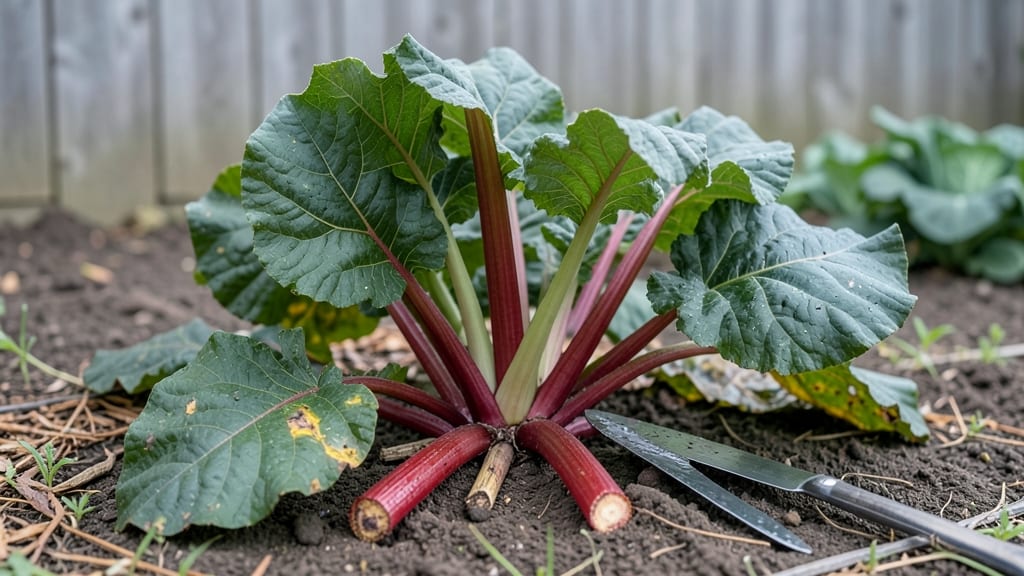
Splitting rhubarb plants doubles your harvest next spring—if you do it right. 🌱 I’ve split clumps that produced just a handful of stalks into vigorous new plants yielding pounds of tart-sweet goodness, and the secret lies in timing, sharp tools, and knowing what to look for in those gnarled roots.
The best time is early spring, when new shoots are 2–3 inches tall but before they get too crowded. You’ll need a spade or garden fork, gloves, and a bucket of water to rinse the roots clean.
Dig around the outer crowns, gently pry them apart, and discard any mushy or hollow centers—they won’t regrow. Each division should have 3–5 healthy buds at the base.
Replant the crowns 18–24 inches apart in well-drained soil, water them deeply, and mulch to keep moisture in. Within a year, your new clumps will outperform the original, producing thicker stalks and fewer leaves. The key is patience: rhubarb rewards careful splitting with decades of harvests, not instant gratification.
For advanced gardeners, try splitting every 3–4 years to rejuvenate old clumps. Beginners should start with one division and save the rest for trading with neighbors—every gardener needs more rhubarb, right? Here’s how to avoid the pitfalls that turn root division into a root disaster.
📚 In This Guide
- What you need
- Instructions
- Tips and common mistakes
- Wrapping up and next steps
What you need
- ● Mature rhubarb plants: At least 3-5 years old (younger plants won’t divide well). Aim for plants with 3-5 sturdy stalks per division.
- ● Sharp garden fork or digging spade: A 6-8-inch-wide fork works best to loosen roots without damaging them.
- ● Pruners or clean, sharp knife: For trimming thick, woody stalks or roots if needed.
- ● Garden hose or watering can: To keep the root ball moist during the process.
- ● Compost or well-aged manure: 5-10 lbs per division to enrich the soil.
- ● Mulch (straw, wood chips, or leaves): 2-3 inches thick to retain moisture and suppress weeds.
- ● Garden gloves: Protect your hands from prickly stalks and rough roots.
- ○ Rooting hormone (optional): Speeds up establishment if transplanting in hot or dry conditions.
- ● Soil test kit: Ensures your new planting spot has pH 6.0-6.8 (rhubarb’s sweet spot!).
- ● Plant labels or stakes: Mark divisions if replanting in the same area to avoid overcrowding.
- ● Wheelbarrow or bucket: For hauling divisions and soil amendments.
Step-by-Step instructions for splitting rhubarb plants
Here’s how to divide your rhubarb crowns for healthier growth and expanded harvests—timing and technique make all the difference.
🪴 Step 1: Choose the Right Time and Prepare the Site
Spring is your best window—4-6 weeks before your last frost date—when new shoots emerge but before the plant puts all its energy into leaf production. Avoid dividing in fall, as the plant needs its reserves to survive winter. Clear the area of debris and mark the 12-inch diameter of the mature crown with a garden hose or string.
Use a sharp spade to dig a 6-inch deep trench around the perimeter, cutting through roots but leaving the center intact. This creates a clean separation zone without damaging the main crown. If your rhubarb is older than 5 years, dig deeper—roots can extend 18 inches down and need careful handling.
✂️ Step 2: Separate Crowns with Precision
Lift the entire crown from the soil and brush away excess dirt to reveal the fleshy, white roots and pale yellow buds where new growth will emerge. Look for 3-5 inch tall shoots—these indicate healthy divisions. Use a sterilized knife to slice between buds, ensuring each section has at least 3-4 strong buds and 6-8 inches of root.
Discard any damaged or diseased sections immediately. I always sanitize my tools with 70% isopropyl alcohol between cuts to prevent spreading crown rot. If a division feels lightweight, it lacks enough roots—set it aside for compost and start over.
🌱 Step 3: Replant Divisions for Immediate Recovery
Dig new holes 18-24 inches apart—rhubarb needs space to thrive, and crowding leads to weak stalks. Place each division so the buds sit just below soil level (about 1 inch deep), then backfill with native soil mixed with 2 inches of compost. Water deeply until moisture reaches 6 inches down, then let the soil settle.
Mulch with 3 inches of straw or wood chips to retain moisture and suppress weeds. Avoid fresh mulch, which can draw nitrogen away from new roots. You’ll see first true leaves in 3-4 weeks—this confirms the division is established and ready for care.
☀️ Step 4: Maintain Through the First Growing Season
Keep newly planted divisions consistently moist but never soggy—rhubarb roots rot in waterlogged soil. Water once weekly if rainfall is less than 1 inch, focusing on the base. Fertilize lightly with 5-10-10 at half strength in early spring to encourage root growth, but avoid high-nitrogen feeds, which promote leafy growth at the expense of stalks.
Wait 2 full years before harvesting from divisions—this gives roots time to rebuild. You’ll know they’re ready when stalks reach 12 inches tall and the crown produces 5+ new shoots. Mark the planting date on a stake to track progress.
⏰ Step 5: Schedule Future Divisions for Peak Health
Plan to divide mature rhubarb every 4-5 years to prevent overcrowding and disease. Older crowns produce smaller stalks and are more prone to crown rot—a fungal infection that turns leaves yellow and mushy. If you notice blackened roots or stunted growth, dig up and inspect the crown immediately.
Store divisions in a cool, dark place (like a basement) for up to 2 weeks if replanting is delayed. Keep roots wrapped in damp burlap to prevent drying. This method works even in Zone 3 climates—just time divisions for early spring planting.
Tips & tricks for perfect rhubarb plant division
These precision techniques will ensure your rhubarb divisions thrive from day one—no guesswork, just proven results.
Timing is Everything: That 4-6 week window before your last frost is non-negotiable for spring divisions. I've learned the hard way—dividing in fall weakens the plant's winter reserves, leaving it vulnerable to crown rot. Check your local frost dates and mark your calendar! The goal is to catch those 3-5 inch tall shoots emerging, which signal the plant is ready to be divided without stressing its energy balance.
The Root of Success: When you're slicing between buds in Step 2, aim for that 6-8 inch root length—anything shorter struggles to establish properly. Here's my trick: After cutting, gently tug on each division. If it resists, you've got enough roots. If it slides out easily, it needs more. For older plants (>5 years), dig that trench 18 inches deep—those roots run deep, and cutting too shallow leaves divisions starving for nutrients.
Replanting Precision: Those 18-24 inch spacings between divisions aren't arbitrary—they prevent future crowding that leads to weak stalks. When positioning buds 1 inch below soil level, think of it like planting potatoes: just deep enough to protect from light but shallow enough to encourage quick sprouting. The 2 inches of compost mixed into the backfill is where the magic happens—it jumpstarts microbial activity that helps roots establish faster.
First-Year Care Secret: The 3-4 week window until you see those first true leaves is critical. During this time, I water every 3-4 days (not weekly) if we're not getting rain, keeping the soil consistently moist but never soggy. That 5-10-10 fertilizer at half strength might seem counterintuitive—most gardeners go heavy on nitrogen—but rhubarb responds better to balanced feeding. Too much nitrogen sends energy to leaves instead of those prized stalks.
Pro Tips for Splitting Rhubarb Plants
- These precision techniques will ensure your rhubarb divisions thrive from day one—no guesswork, just proven results.
- Timing is Everything: That 4-6 week window before your last frost is non-negotiable for spring divisions.
- The Root of Success: When you're slicing between buds in Step 2, aim for that 6-8 inch root length—anything shorter struggles to establish properly.
Frequently asked questions
Got questions about splitting rhubarb plants?
You’re not alone! Here are answers to the most common queries to help you tackle root division like a pro.
When is the best time to split rhubarb plants?
The ideal time is early spring (before new growth starts) or early fall (after harvest but before frost). Avoid splitting in summer—it stresses the plant when it’s actively growing. If you must divide in summer, water thoroughly and keep the soil moist afterward!
How do I know if my rhubarb plant is ready to split?
Look for these signs: clumps over 5 feet wide, reduced stalk production, or older, woody centers. If your plant struggles to thrive despite good care, it’s time to divide! Healthy plants should have 3–5 strong crowns per section after splitting.
Do I need special tools to split rhubarb?
Not necessarily! A sharp spade or garden fork works best, but you can also use a clean knife or hands if the roots are small. Just sterilize tools with rubbing alcohol first to prevent disease. Wear gloves—rhubarb leaves contain oxalic acid, which can irritate skin.
Can I save the smaller pieces after splitting?
Smaller sections with at least 1–2 healthy buds will regrow. Plant them 1–2 feet apart in well-draining soil. Mulch lightly to retain moisture, and avoid harvesting for at least a year to let them establish strong roots.
What if my split rhubarb doesn’t survive the first winter?
Don’t panic! Newly divided plants may look dormant but are often just resting. Ensure they’re planted in full sun to partial shade with rich, slightly acidic soil. Add a 2–3 inch layer of mulch in fall to insulate roots. If buds rot, try replanting deeper next time.
Wrapping up and next steps
Splitting your rhubarb plants is a game-changer for thriving gardens—it boosts yields, rejuvenates growth, and keeps your patch productive for years! 🌱 With the right timing, tools, and care, you’ll enjoy lush, healthy stalks while sharing the love with fellow gardeners.
Now that you’re armed with the how-to, there’s no better time to roll up your sleeves and get dividing!
💡 Next step: Mark your calendar for spring or early fall, gather your supplies, and pick a calm, sunny day. Your future harvest—and your rhubarb’s longevity—will thank you!