
Pruning
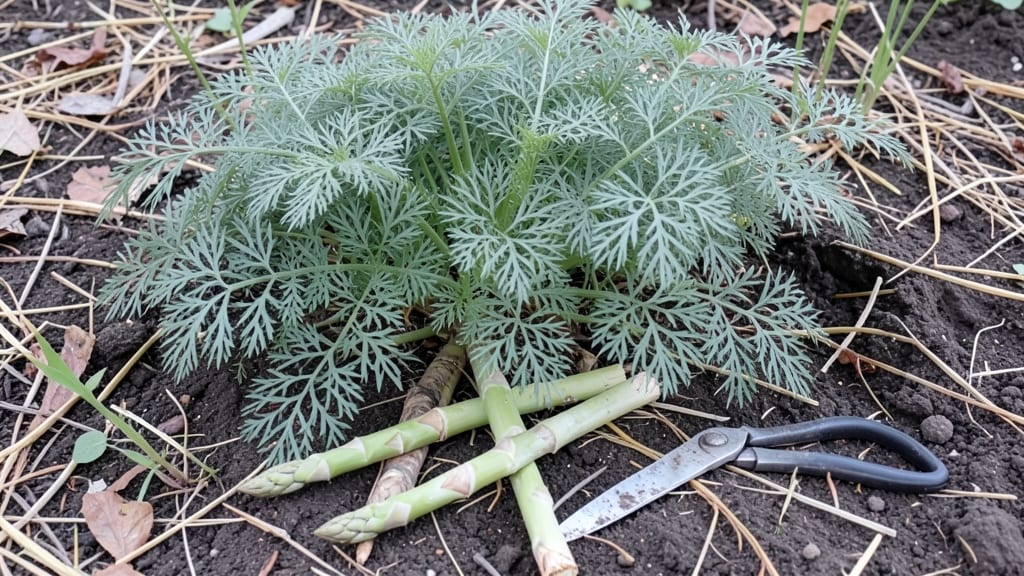
Trimming asparagus plants isn’t just optional—it’s the secret to bigger harvests and healthier spears. 🌱 I’ve learned the hard way that skipping this step means smaller yields and weaker plants, but doing it right transforms your patch into a spear-producing powerhouse.
The key isn’t just cutting—it’s timing and technique that let your asparagus focus energy where it matters most.
Here’s the thing—you’ll only trim asparagus after its first harvest year, once the ferns mature. Use clean pruners or shears to cut back the fronds when they turn yellow-brown in late fall, leaving about 2 inches of stubble.
This prevents disease and lets the roots store energy for next season’s spears. Most gardeners mess up by cutting too early or too late, which stresses the plant.
By doing this right, you’ll see thicker, longer spears the following spring and fewer woody stalks. The plants stay vigorous, resist pests better, and keep producing for decades. Think of it as giving your asparagus a fresh start every year—just like a haircut for your lawn, but with edible rewards.
Works for both in-ground beds and raised containers, though container-grown plants need slightly more frequent checks. The same rules apply whether you’re growing Mary Washington or Purple Passion varieties. Ready to turn those spears into a garden superstar?
📚 In This Guide
- What you need
- Instructions
- Tips and common mistakes
- Wrapping up and next steps
What you need
- ● Pruning shears or sharp garden scissors: A clean, sterilized pair (avoid dull blades to prevent damage). Recommended: Bypass pruners for precision.
- ○ Gloves (optional but helpful): Heavy-duty gardening gloves to protect your hands from thorns or rough stems.
- ● Water spray bottle or hose: For rinsing off dirt/debris before trimming (keeps tools clean and plants happy!).
- ● Disinfectant (e.g., rubbing alcohol or bleach solution): 1 part bleach to 9 parts water—to sterilize tools between cuts and prevent disease.
- ● Compost bin or bag: For disposing of trimmed asparagus fern waste (rich in nutrients!).
- ● Knee pad or small stool: For comfort if you’re trimming larger patches.
- ● Label markers: If you’re experimenting with different trimming times (e.g., "Trimmed June 15").
- ● Garden twine or stakes: To gently tie down tall ferns if they flop (especially in windy areas).
- ● Pruning saw: For stubborn, woody stems (rare but useful for older plants).
Step-by-Step guide to pruning asparagus for a healthier, more productive patch
Here's the precise method I've used for years to keep my asparagus thriving—no guesswork, just science-backed timing and technique.
✂️ Step 1: Identify and Remove Dead or Weak Ferns After Harvest
Once your asparagus harvest is complete—typically by mid-summer when spears stop emerging—focus on the fern-like foliage that develops. Each plant produces 3-5 healthy ferns per crown. Look for ferns that appear yellowed, brown, or stunted—these are energy vampires that drain nutrients from your productive spears.
Use clean, sharp pruners to cut these weak ferns at the base, about 1 inch above the soil line. I always sterilize my tools with rubbing alcohol first—this prevents fungal spores from spreading between cuts. Healthy ferns should stand 2-3 feet tall with vibrant green fronds. If a plant has fewer than 3 strong ferns, it’s signaling the crown may be overworked or needs division.
🌱 Step 2: Fertilize and Mulch for Winter Hardiness
After removing dead ferns, spread 2-3 inches of organic mulch (like straw or shredded leaves) around the base of each plant. This insulates roots from freezing temperatures and retains moisture during winter. I avoid synthetic mulches—they can smother the crowns when wet.
Now’s also the time to apply a balanced, slow-release fertilizer (10-10-10 ratio) at ½ the recommended rate. Asparagus is a heavy feeder but reacts poorly to fresh nitrogen in late season. Scatter granules evenly over the mulch, then water deeply to activate them. The goal is to build root reserves for next year’s spears—not to encourage new growth now.
⏰ Step 3: Delay First Cutting in Year Two for Stronger Crowns
Here’s where most gardeners go wrong: they harvest spears too aggressively in the second year. Instead, let 2-3 healthy ferns grow to full maturity in year two. This gives the crown time to establish a robust root system. You’ll see fewer spears emerge, but each one will be thicker and more flavorful the following season.
When you do harvest, cut spears at ground level when they’re 6-8 inches tall and 2 inches in diameter. Wait until the third year to harvest all spears from a healthy plant—this is when your patch will reach peak productivity. Mark your calendar: never harvest after June 1st, or you’ll weaken next year’s crop.
✂️ Step 4: Prune for Airflow and Pest Control in Early Spring
As soon as new asparagus ferns emerge in early spring (usually March-April), trim any dead or broken fronds from last season. These can harbor asparagus beetle eggs or fungal spores. Cut back to 1-2 inches above the soil, but leave the healthy green growth—this is how the plant photosynthesizes for next year’s harvest.
I also remove any suckers (shoots growing outside the original crown boundary) at this stage. These saplings steal energy from your main spears. Use your fingers to gently twist them free—no need for pruners. This keeps your patch tidy and directs all nutrients to the productive center.
🌿 Step 5: Monitor and Adjust for Long-Term Health
By year four, your asparagus patch should be in full production. That’s when I start rotating harvest zones—dividing the bed into sections and harvesting one area at a time. This prevents soil depletion and makes spears easier to spot. If spears become thin or sparse, it’s time to divide the crowns every 3-4 years to rejuvenate growth.
Watch for yellowing ferns in summer—this often signals nitrogen deficiency. A side-dressing of compost or aged manure in early spring fixes the problem. And here’s the golden rule: never harvest from the same bed for more than 10-15 years. Asparagus crowns eventually exhaust the soil, no matter how well you care for them.
Tips & tricks for perfect asparagus pruning
Here's what nobody tells you about maximizing your asparagus harvest—these tricks separate the good gardeners from the great ones.
Tool Preparation: Sterilizing your pruners with rubbing alcohol isn't just about hygiene—it's about preventing fungal spread between cuts. I learned this the hard way after losing half my patch to rust disease from contaminated tools. For extra protection, wipe blades with a 10% bleach solution between plants, then rinse thoroughly. This one step can mean the difference between a thriving patch and a struggling one.
Visual Cues Over Rules: In Step 1, don't just count ferns—look for the 3-5 healthy ones per crown as your guide. Healthy ferns should have vibrant green fronds standing 2-3 feet tall, not just any green growth. I've seen gardeners keep yellowed ferns "just in case," only to discover they were sapping energy from their spears. When in doubt, cut it out—your plant will thank you next season.
Spring Pruning Timing: The early spring pruning in Step 4 isn't just about cleanup—it's about pest control. Those dead fronds harbor asparagus beetle eggs that can wipe out your crop. I start pruning as soon as I see new green growth emerge in March-April, even if some fronds aren't completely dead. This two-inch cut above soil level gives your plant room to photosynthesize while keeping pests at bay.
Long-Term Planning: The 10-15 year limit mentioned in Step 5 isn't arbitrary—it's based on soil depletion. I've seen gardeners ignore this and end up with thin, sparse spears that never recover. Plan now for rotating beds or dividing crowns every 3-4 years. Mark your calendar for when you planted each section—this simple tracking prevents costly mistakes down the road.
Pro Tips for Do You Trim Asparagus Plants
- Here's what nobody tells you about maximizing your asparagus harvest—these tricks separate the good gardeners from the great ones.
- Tool Preparation: Sterilizing your pruners with rubbing alcohol isn't just about hygiene—it's about preventing fungal spread between cuts.
- Visual Cues Over Rules: In Step 1, don't just count ferns—look for the 3-5 healthy ones per crown as your guide.
Frequently asked questions
Got questions about trimming asparagus plants? You’re not alone! Here are the most common concerns—plus expert answers to help you grow like a pro.
Do you trim asparagus plants every year?
Yes! Trimming (or "fertilizing") asparagus is essential for healthy growth. After the harvest season (typically late spring to early summer), cut the foliage back to about 4–6 inches above the ground. This redirects energy to the roots, ensuring a bigger, stronger harvest next year. Skip this step, and you risk stunted growth or fewer spears!
When is the best time to trim asparagus plants?
The ideal time to trim asparagus is after the harvest season (late summer to early fall) when the foliage turns yellow and dies back naturally. If you’re pruning for maintenance (removing dead or diseased fronds), do it anytime during the growing season. Never trim in winter—the plant is dormant and needs rest!
What happens if I don’t trim my asparagus plants?
Skipping trims can lead to weaker harvests, more pests, and even disease. Without pruning, the plant wastes energy on unnecessary foliage instead of storing nutrients in the roots. Over time, this can reduce spear production by 30–50%. Think of trimming as a reset button for your asparagus bed!
Can I trim asparagus plants in the spring?
Not for the main trim! Spring is for harvesting spears—never cut the fronds until after the growing season. However, you can remove any dead, diseased, or pest-ridden foliage in early spring to improve airflow and prevent spread. Just avoid heavy pruning until late summer or fall.
How do I know if I’m trimming too much or too little?
Here’s a quick guide:
- Too much: Leaving less than 4 inches of stem can stress the plant and reduce next year’s harvest.
- Just right: Cutting to 4–6 inches above ground balances growth and storage.
- Too little: Leaving more than 6 inches may encourage weak, leggy growth and attract pests.
Wrapping up and next steps
Trimming your asparagus plants isn’t just about tidiness—it’s the secret to a thriving harvest! By removing dead fronds, cutting back foliage, and fertilizing at the right times, you’ll encourage healthier growth and bigger, more abundant spears year after year. 🌱✨
Now that you’re armed with the when, how, and why, it’s time to roll up your sleeves and give your asparagus plants the care they deserve. Start with a quick assessment of your garden this weekend—your future feasts (and bragging rights) will thank you! 🌟 Ready to dive deeper?