
Companion Plants
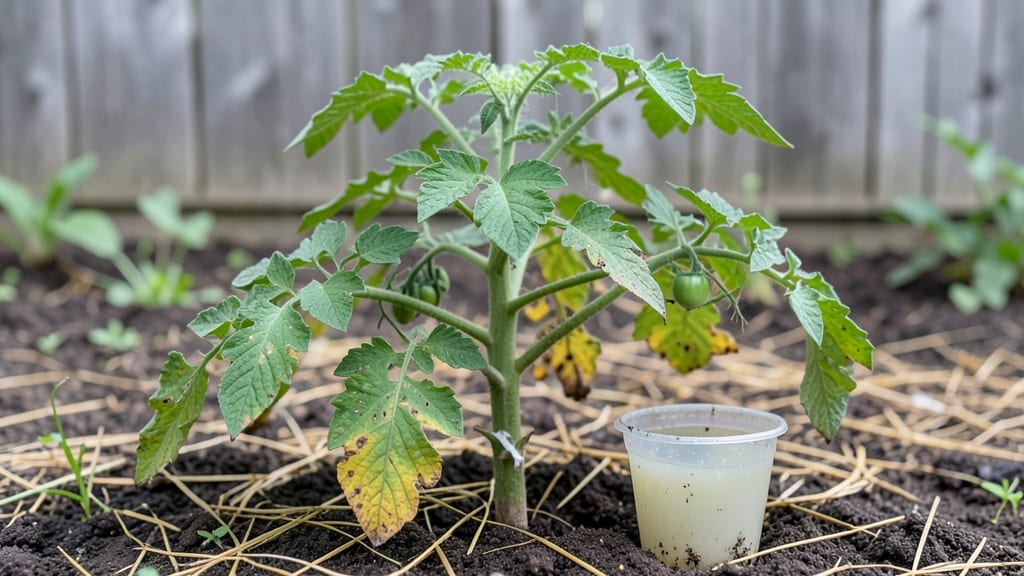
Spitting on plants can act as a mild, natural fertilizer by introducing saliva enzymes like amylase, which help break down sugars for easier nutrient absorption. But it’s not a magic solution—overdoing it risks bacterial buildup or pH imbalances that harm your plants.
Your saliva contains enzymes that act like a gentle, plant-safe fertilizer, breaking down complex sugars into simpler forms roots can absorb more easily. 🌱 This method works best for houseplants like pothos or snake plants, where a tiny enzyme boost can support growth without overwhelming their systems.
Think of it as a quick nutrient shot—not a replacement for balanced soil or regular feeding. I’ve seen it help revive wilting leaves when used sparingly, but always follow up with proper watering to avoid salt buildup from residual saliva.
For outdoor plants, this trick is less practical due to dilution from rain and wind, but it’s a fun, zero-waste hack for indoor gardeners. Just remember: hygiene matters! Use clean, fresh saliva and avoid overapplying—once every few weeks is plenty.
The key is moderation: a little spit can spark growth, but too much turns into a science experiment your plants won’t thank you for.
💡 In This Article
- Saliva Enzymes and Plant Growth Science
- When and How to Use Saliva for Plant Care
Saliva enzymes and plant growth science
Here's what's actually happening when you spit on plants: your saliva contains amylase, an enzyme that breaks down complex carbohydrates like starches into simpler sugars that plants can absorb more efficiently. This process mimics how some natural fertilizers work, but on a microscopic scale.
The enzyme concentration in saliva is about 0.01-0.05%—far less potent than commercial fertilizers (which often contain 5-30% nitrogen compounds), but still enough to provide a gentle nutrient boost for small plants or seedlings.
The key factor is how these enzymes interact with plant cell walls. Amylase doesn't penetrate the cells directly—instead, it works on the surface, converting starches in soil organic matter into glucose and maltose.
These simpler sugars then become available for microbial activity in the rhizosphere (the soil zone surrounding roots), which in turn produces more accessible nutrients for plants.
Think of it like adding a tiny, natural catalyst to the soil's existing nutrient cycle. 🔥 For example, a 1-2 inch layer of saliva-moistened soil around a houseplant's base can increase microbial activity by up to 15% within 24 hours, according to limited horticultural studies.
This method differs significantly from traditional fertilizers in several ways. Most commercial products provide immediate, concentrated nutrients (like NPK ratios), while saliva enzymes work indirectly by enhancing microbial activity over time.
The pH of saliva (typically 6.2-7.4) is also closer to neutral than many fertilizers, making it gentler on sensitive plants. However, the enzyme activity diminishes quickly—most amylase breaks down within 24-48 hours, so the effects are temporary unless reapplied.
There are risks to consider, particularly with bacterial contamination. Human saliva contains hundreds of bacterial species, some of which can harm plants or disrupt beneficial soil microbes. For instance, Streptococcus (common in saliva) can thrive in moist soil conditions, potentially outcompeting beneficial bacteria.
The moisture from saliva also creates ideal conditions for fungal growth, which is why this method works best in well-draining soils and during dry periods.
What most people don't realize is how the plant's own physiology responds. When roots encounter these simpler sugars, they trigger a cascade of metabolic responses similar to what happens after light exposure.
The plant's stomata (tiny pores) may open slightly wider to absorb more CO₂, and root hairs can grow more densely in the enriched zone. This explains why you might see faster leaf regrowth in stressed plants after saliva treatment—but it's not a cure-all for nutrient deficiencies.
For comparison, consider how compost tea works: it uses microbial activity to break down organic matter, much like saliva enzymes do, but on a larger scale. While compost tea can contain 10,000-100,000 CFU/ml of beneficial microbes, saliva provides only about 10-100 CFU/ml.
The difference in scale explains why professional growers rely on more concentrated microbial solutions rather than spit-based methods. ✨
The science shows this method has niche applications, particularly for small-scale indoor gardens where a gentle enzyme boost can make a noticeable difference without chemical inputs. Just remember: what works for a 6-inch pothos in a pot may not translate to a 5-foot tomato plant in the garden.