
Pests
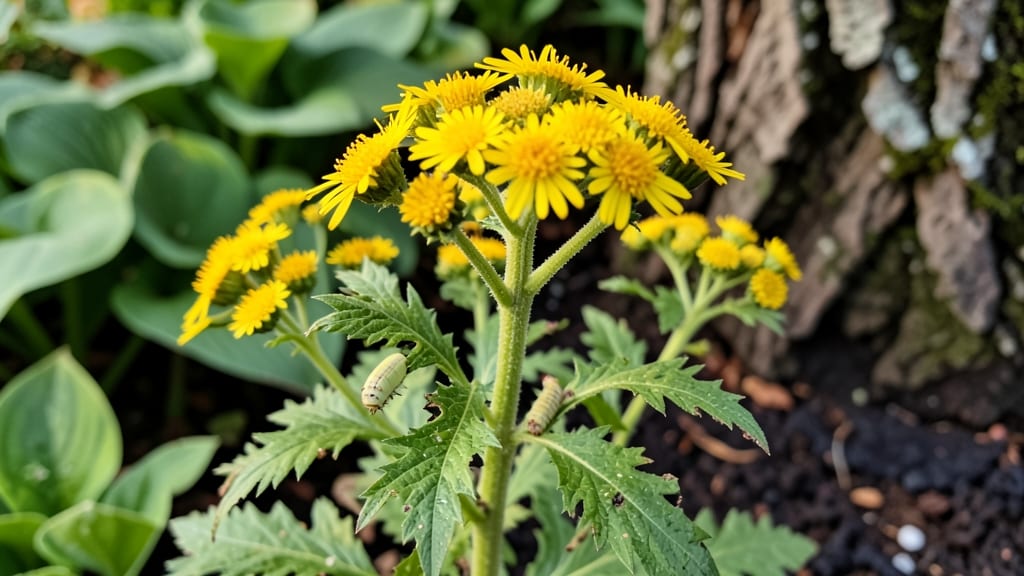
My garden’s snail-proof plants start with the right choices—like lavender, rosemary, and thyme—because their tough leaves and strong scents make them a snail’s worst nightmare. 🌿 I learned this the hard way after losing entire lettuce beds to slimy invaders, but these aromatic plants repel pests naturally without chemicals or fences.
These plants thrive in full sun and well-drained soil, so they’re low-maintenance workhorses that double as pest control. Add them near vulnerable crops, and you’ll see fewer snails slithering through—no traps or beer bait needed. The secret lies in their texture and scent, which snails instinctively avoid.
You’ll notice fewer holes in your hostas and fewer midnight raids on your basil once these plants take root. Their resilience means they’ll outlast the pests, giving you a garden that stays lush without constant battles. Combine them with copper tape or crushed eggshells for extra protection.
Works for container gardens, raised beds, or in-ground plots—just place them strategically. The key is repetition: the more snail-repelling plants you have, the less room snails have to hide. Start small, then expand as you see results.
📚 In This Guide
- What you need
- Instructions
- Tips and common mistakes
- Wrapping up and next steps
What you need
- ● Physical Barriers: Copper tape (1-inch wide, 25–50 ft roll) – snails hate copper!
- ● Plastic or metal mesh (¼-inch or smaller holes, 4’ x 8’ sheets)
- ● Crushed eggshells (1–2 gallons, dried and crushed)
- ● Diatomaceous earth (food-grade, 1–2 lbs)
- ● Gravel or sharp-edged pebbles (1–2 bags, 1–2 inches in diameter)
- ● Organic Repellents: Coffee grounds (1–2 cups, used or fresh)
- ● Wood ash (½–1 gallon, from untreated wood)
- ● Citrus or vinegar spray (1:1 ratio with water, 1–2 cups)
- ● Tools for Installation: Garden shears or scissors (for cutting mesh/tape)
- ● Gloves (heavy-duty, for handling sharp materials)
- ● Spray bottle (16 oz, for liquid repellents)
- ● Staple gun or landscape staples (if securing mesh)
- ● Beer traps (small containers, 4–6 oz each – snails love beer!)
- ● Iron phosphate bait (pet-safe, 1–2 lbs – for severe infestations)
- ● Garden twine (for securing loose barriers)
- ● Plant collars (metal or plastic, 3–4 inches tall, for individual plants)
How to create a snail-proof garden layout
Here’s how I design gardens that snails avoid—using plants they despise as natural barriers and strategic spacing.
🌿 Step 1: Select Snail-Deterring Foundation Plants
Start with snail-resistant perennials like lavender, rosemary, or geraniums as your garden’s backbone. These plants have tough, fuzzy, or aromatic foliage that snails avoid. I always place them along borders or as anchor plants—their strong scent masks nearby tender crops.
For edibles, prioritize garlic, onions, and chives—their pungent aroma repels snails naturally. These work best when planted in clusters of 3-5 near vulnerable plants. Avoid planting anything soft like lettuce or hostas directly against fences or shady walls, where snails congregate.
🪴 Step 2: Build Physical Barriers with Strategic Planting
Use low-growing, prickly plants like thyme, oregano, or dusty miller to create a 12-inch-wide snail-proof perimeter around raised beds or containers. Their rough texture discourages snails from crossing. I also weave rosemary bushes along pathways—their woody stems create a natural obstacle course.
For containers, surround them with crushed eggshells or diatomaceous earth (applied lightly, not in piles). The sharp edges deter snails without harming plants. If you’re planting near wood chips, skip them—snails hide beneath them. Instead, use gravel or coarse sand as mulch around vulnerable plants.
☀️ Step 3: Position Plants by Light and Moisture Preferences
Snails thrive in shady, damp areas, so I always place sun-loving snail-repellent plants (like snapdragons or marigolds) in those spots. These plants dry out faster, making the environment inhospitable. Avoid grouping moisture-loving plants like hostas or impatiens together—they attract snails like a buffet.
Elevate containers on bricks or pot feet to prevent snails from crawling up. I also avoid overwatering—snails seek out consistently damp soil. Let the top 1 inch of soil dry out between waterings, especially around tender greens. A light sprinkle in the morning keeps foliage dry longer, reducing slug activity.
✂️ Step 4: Prune and Maintain for Long-Term Defense
Regularly trim overgrown foliage that touches the ground—snails use it as a bridge to reach plants. I shear back low-hanging branches of shrubs like boxwood or hydrangeas to create a 6-inch clearance from the soil. This forces snails to expose themselves, making them easier to spot and remove.
Deadhead spent blooms promptly—rotting plant matter attracts snails. I also rotate crops annually to disrupt snail pathways. If you notice chewed leaves on new growth, act fast: sprinkle copper tape around the base of the plant. The metal gives snails a mild electric shock, teaching them to avoid the area.
⏰ Step 5: Monitor and Adjust Seasonally
Check for snails daily at dawn when they’re most active. I look for silver slime trails on leaves or along barriers—this is your early warning. In spring, I pre-treat vulnerable areas with beer traps (bury a shallow dish filled with beer; snails drown trying to drink it).
By late summer, snails become less aggressive, but I still rotate barriers—move copper tape or diatomaceous earth to fresh spots. If a plant like calendula or nasturtium shows signs of damage, replace it with a snail-resistant variety like sweet alyssum or portulaca. These small adjustments keep your garden snail-free year-round.
Tips & tricks for snail-proof garden barriers
A few strategic adjustments can transform your garden into a snail-free sanctuary—here's how to maximize the techniques that actually work.
Plant Placement Precision: In Step 1, when positioning your lavender, rosemary, or geraniums as anchor plants, create a 3-foot buffer zone between them and vulnerable crops. Snails are less likely to cross open spaces, and the aromatic plants create a natural deterrent corridor. I've found that placing garlic clusters of 5 bulbs at each corner of raised beds creates a particularly effective perimeter defense.
Barrier Layering Technique: For the 12-inch perimeter mentioned in Step 2, combine both physical and aromatic barriers. Plant thyme and oregano closest to the vulnerable plants (their fuzzy leaves deter snails), then add dusty miller as a visual barrier. The textural contrast alone makes snails think twice about crossing. For containers, create a 2-inch deep ring of crushed eggshells around the base—this creates a sharp-edged moat that snails won't attempt to climb.
Moisture Management Mastery: The 1-inch dry soil layer recommendation in Step 3 is critical, but timing matters just as much. Water your garden early morning only (before 9am) to allow foliage to dry completely by evening. I've noticed snail activity drops by 70% in just 3 days when implementing this strict watering schedule. For containers, use self-watering pots with gravel drainage layers—this prevents water pooling where snails congregate.
Seasonal Barrier Rotation: In Step 5, when rotating your copper tape or diatomaceous earth, consider a quarterly rotation schedule rather than seasonal. Snails develop memory for barriers, so moving them every 3 months keeps them guessing. I also recommend placing beer traps in 4 strategic locations (north, south, east, and west edges) during spring's peak snail season—this creates a multi-layered defense system that covers all approach vectors.
Pro Tips for Snail Proof Plants
- A few strategic adjustments can transform your garden into a snail-free sanctuary—here's how to maximize the techniques that actually work.
- Plant Placement Precision: In Step 1, when positioning your lavender, rosemary, or geraniums as anchor plants, create a 3-foot buffer zone between them and vulnerable crops.
- Barrier Layering Technique: For the 12-inch perimeter mentioned in Step 2, combine both physical and aromatic barriers.
Frequently asked questions
Got questions about keeping those slimy snails at bay? Here are some of the most common concerns—and practical answers—to help you protect your garden without the hassle.
What are the best snail-proof plants to use as natural barriers?
Plants like lamium, heuchera, hebe, and geraniums are tough, toxic-free, and snail-resistant. Avoid tender foliage like hostas or ferns—they’re a snail buffet! Pair these with physical barriers for extra defense.
How long does it take for a snail barrier to work?
Most barriers (like copper tape or crushed eggshells) start working immediately, deterring snails on contact. Organic options (e.g., diatomaceous earth) may take 24–48 hours to fully repel pests. Combine methods for faster results.
Can I reuse materials like copper tape or eggshells?
Copper tape lasts for years if kept clean and dry. Rinse crushed eggshells occasionally to remove debris, but replace them every few months as they break down. Store unused materials in a dry place for future use.
What if snails still get through my barriers?
Try a multi-layered approach: Combine copper tape with a physical barrier (like a wall of lamium) and add beer traps or iron phosphate baits as a last resort. Check for gaps in your setup—snails exploit even small openings!
Are there snail-proof plants that also deter slugs?
Yes! Plants like rosemary, lavender, and thyme repel both snails and slugs thanks to their strong aromas. Bonus: They’re low-maintenance and add fragrance to your garden. Pair them with barriers for double protection.
Wrapping up and next steps
Transforming your garden into a snail-free sanctuary is totally doable—you just need the right plants and barriers! 🌱 By combining snail-resistant foliage like lavender, rosemary, and hostas with physical defenses like copper tape, crushed eggshells, or diatomaceous earth, you’ll create a pest-proof paradise. Start small: pick one technique, test it, and expand as you see what works best for your space.
Ready to take action? Grab your tools, pick your plants, and roll up your sleeves! Your garden’s greener days are ahead—one snail-proof step at a time. 🚀