
Pruning
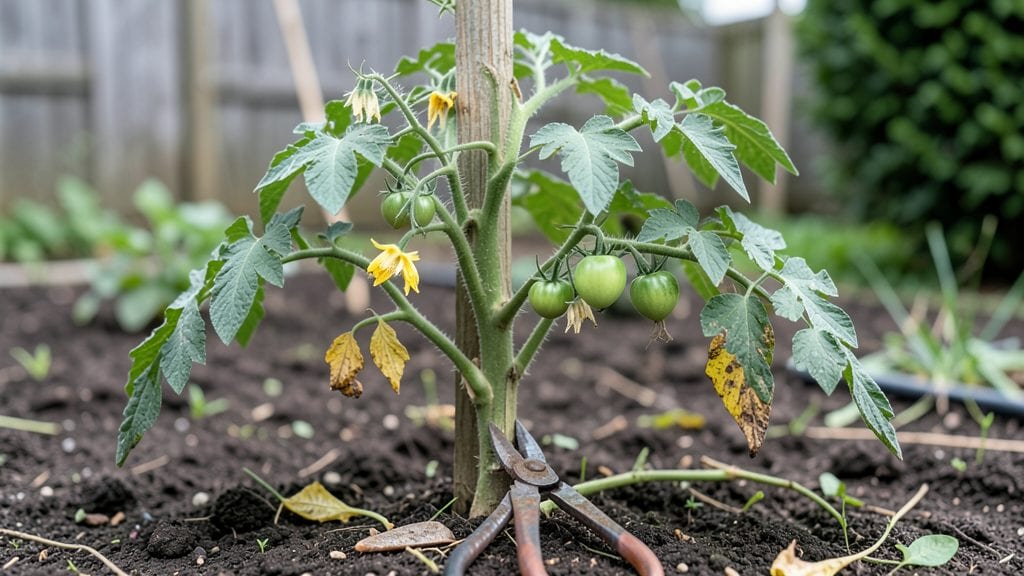
Trimming overgrown tomato plants isn’t just about cleaning up—it’s the secret to bigger, healthier harvests that keep producing until frost. 🌱 I’ve watched my sprawling indeterminate plants go from tangled messes to neat, high-yielding bushes just by making a few strategic cuts at the right time.
The key? Knowing when to prune and how to guide growth without shocking the plant.
You’ll need sharp pruners, a sturdy ladder (for those high branches), and about 20 minutes per plant—though the payoff is worth every minute. Pruning improves air circulation, which cuts back on diseases like blight, and directs energy into fruit production instead of leafy growth.
For indeterminate varieties, focus on removing suckers (those little shoots in the leaf axils), while determinate types need almost no pruning at all. Confusing? I’ll walk you through the exact cuts to make.
What you’ll end up with is a clean, manageable plant that produces tomatoes for weeks longer than unpruned bushes. The first flush of fruit might be smaller, but the second and third waves? Those are the juicy, vine-ripened beauties everyone dreams of.
Plus, your plants will look like they belong in a catalog instead of a tangled jungle. Ready to transform those rambling vines into productive powerhouses?
This method works for both backyard gardens and container growers, though container plants might need slightly more frequent pruning to stay compact. The only real rule? Don’t overdo it—once you see the plant struggling, you’ve gone too far. Let’s get those plants looking (and producing) their best!
📚 In This Guide
- What you need
- Instructions
- Tips and common mistakes
- Wrapping up and next steps
What you need
- ● Pruning shears or bypass pruners: Sharp, clean, and sterilized (rubbing alcohol or bleach solution works). Opt for bypass pruners (not anvil-type) to avoid crushing stems.
- ● Gloves: A pair of gardening gloves (nitrile or leather) to protect your hands from thorns and dirt.
- ● Disinfectant: A small bottle of rubbing alcohol (70% isopropyl) or bleach solution (1 part bleach to 9 parts water) to sterilize tools between cuts.
- ● Garden twine or plant ties: 3-5 feet (if you need to support branches post-pruning). Choose soft, stretchy twine to avoid damaging stems.
- ● Bucket or bag: A 5-gallon bucket or mesh bag to collect pruned branches (compost them later!).
- ● Watering can or hose: For post-pruning hydration—tomatoes are thirsty after a trim!
- ● Hand pruners: For smaller, more precise cuts on delicate stems.
- ● Garden kneeler/pad: To keep you comfortable while working close to the ground.
- ● Plant growth regulator: Like seaweed extract or hydrogen peroxide spray (3%) to help wounds heal faster.
- ● Label markers: If you’re saving seeds or cuttingtings, label them with waterproof tags.
- ● Sunscreen and hat: Because no one wants a sunburn mid-pruning!
Precision techniques for trimming overgrown tomato plants
Here’s how to restore balance and boost yields—without sacrificing plant health or future growth.
✂️ Step 1: Identify and Remove Suckers Early
Suckers are the small shoots that form in the leaf axils where branches meet the main stem. These compete with your fruit for energy, so remove them when they’re no larger than a pencil—wait until they’re thicker, and you’ll stress the plant. Use your thumb and forefinger to gently pinch them off at the base, or make a clean cut with sharp pruning shears just above the leaf axil.
I check my plants every 5-7 days during peak growth, always working in the morning when stems are firm and less likely to tear. Never pull suckers—this can damage the main stem. If you spot a sucker near a blossom cluster, leave it; the plant’s energy is better spent on fruit development.
🌿 Step 2: Prune Lower Leaves to Improve Airflow
Remove all leaves from the bottom 6-12 inches of the plant, depending on its size. These low leaves block airflow, trapping moisture and inviting fungal diseases like early blight. Use sterilized pruning shears to make clean cuts at a 45-degree angle just above a leaf node or branch. Avoid tearing leaves—this creates open wounds that attract pests.
I prune these leaves gradually over a week to avoid shocking the plant. Watch for yellowing on lower leaves first—that’s your signal to start. Never remove more than one-third of the foliage at once, or you’ll reduce the plant’s ability to photosynthesize and support fruit.
☀️ Step 3: Thin Fruit Clusters for Larger Harvests
Overloaded tomato plants produce small, underdeveloped fruit. When clusters form, leave only 2-3 tomatoes per stem—the largest, healthiest-looking ones. Remove the rest by twisting gently or cutting with shears just above the fruit’s stem. This redirects the plant’s energy into fewer, juicier tomatoes.
I prioritize early-season fruit first, as these need the most energy to mature. If your plant is still small or stressed, thin aggressively—even to 1 tomato per cluster. Avoid thinning when temperatures exceed 85°F, as the plant struggles to recover from the stress.
⏰ Step 4: Support and Monitor After Pruning
After trimming, water deeply to help the plant recover. Use a drip irrigation system or water at the base to avoid wetting leaves, which reduces disease risk. Stake or cage your tomatoes immediately if they aren’t already supported—pruned plants need extra stability to prevent stem breakage as fruit grows heavier.
Monitor your plants daily for the first week post-pruning. Look for new sucker growth, which means the plant is redirecting energy. If leaves wilt or yellow excessively, provide partial shade for 2-3 days while the plant adjusts. Never fertilize immediately after pruning—wait 7-10 days to avoid burning new growth.
Tips & tricks for perfect tomato plant trimming
A few strategic cuts can transform your tomato plants from overgrown chaos to high-yielding powerhouses—here's what I've learned after years of trial and error.
Timing is Everything: The 5-7 day sucker removal schedule in Step 1 works best when you start early in the season. I've found that plants pruned before flowering produce 20-30% more fruit because they're not wasting energy fighting sucker competition. Confession: I skipped this for years and wondered why my plants always struggled—until I realized how quickly suckers grow in warm weather.
The Pruning Angle Matters: That 45-degree angle in Step 2 isn't just for looks—it creates a larger surface area for new growth to emerge while preventing water from pooling on the cut. Use sterilized shears to avoid introducing fungal spores, and always cut just above a leaf node where new growth can sprout. I sterilize my tools in rubbing alcohol between plants to prevent cross-contamination.
Fruit Thinning Strategy: When you're thinning clusters in Step 3, focus on keeping the healthiest-looking tomatoes—the ones with the most uniform shape and vibrantest color. I prioritize saving tomatoes that are already showing color, as they're closest to maturity and need less energy. The 2-3 per stem guideline works best for indeterminate varieties, but you can go to 1 per stem for small or stressed plants.
Heat Management: Never thin when temperatures exceed 85°F as mentioned in Step 3—this is when plants are most vulnerable. I always schedule my pruning for early morning or late evening during heatwaves. If you must prune in hot conditions, provide immediate shade and water deeply afterward to help the plant recover.
Pro Tips for Trim Overgrown Tomato Plants
- A few strategic cuts can transform your tomato plants from overgrown chaos to high-yielding powerhouses—here's what I've learned after years of trial and error.
- Timing is Everything: The 5-7 day sucker removal schedule in Step 1 works best when you start early in the season.
- The Pruning Angle Matters: That 45-degree angle in Step 2 isn't just for looks—it creates a larger surface area for new growth to emerge while preventing water from pooling on the cut.
Frequently asked questions
Got questions about trimming your overgrown tomato plants? You’re not alone! Here are answers to the most common concerns—so you can prune with confidence and keep those vines thriving.
When is the best time to trim tomato plants?
Prune determinate (bush) tomatoes sparingly—only to remove diseased leaves or suckers after flowering. For indeterminate (vining) types, trim regularly throughout the growing season, focusing on suckers (side shoots) when they’re smaller than a pencil. Avoid heavy pruning late in the season—it can stress plants before harvest.
Should I cut off tomato suckers, or will they grow into fruit?
Suckers won’t turn into fruit—they’re energy vampires! Removing them redirects nutrients to existing flowers and fruit, boosting size and quality. If you’re short on time, prioritize suckers below the first flower cluster (they’re less critical). Pro tip: Use sterilized shears to avoid spreading disease.
How often should I prune my tomato plants?
Check your plants weekly during peak growth (spring/summer). Indeterminate varieties may need trimming every 5–7 days, while determinate types only need occasional maintenance. Morning is ideal—plants recover faster from pruning wounds in daylight. Skip pruning if plants look stressed (wilted, yellowing) or after heavy rain.
What if I prune too much? Can I fix an over-trimmed tomato plant?
Don’t panic! If you’ve stripped too many leaves, stop pruning immediately and focus on care: water deeply, add a balanced fertilizer (like 10-10-10), and shield plants from direct sun for a few days. Over-trimmed plants may produce fewer but larger tomatoes. For severe cases, prune only diseased/damaged growth and let the plant recover.
Are there alternatives to pruning for managing overgrown tomatoes?
Yes! Try these low-maintenance options:
- Cage or trellis support: Redirects growth upward, reducing sprawl (great for indeterminate types).
- Succession planting: Harvest early varieties and replant with shorter types (like cherry tomatoes) in the same space.
- Natural pruning: Let plants grow wild and harvest only the largest, healthiest fruits—smaller tomatoes form on lower branches.
- Dwarf varieties: Choose compact types (e.g., ‘Tiny Tim’ or ‘Patio’) to skip pruning entirely.
Wrapping up and next steps
Trimming overgrown tomato plants isn’t just about keeping them tidy—it’s your secret weapon for healthier vines, bigger yields, and fewer pests.
By mastering the right cuts and timing, you’ll redirect energy where it matters most, ensuring your garden thrives. Now’s the time to roll up your sleeves and give your tomatoes the care they deserve!
Ready to see those juicy rewards? Pick a sunny day, grab your pruners, and start trimming today—your future harvest is waiting!