
Aphids
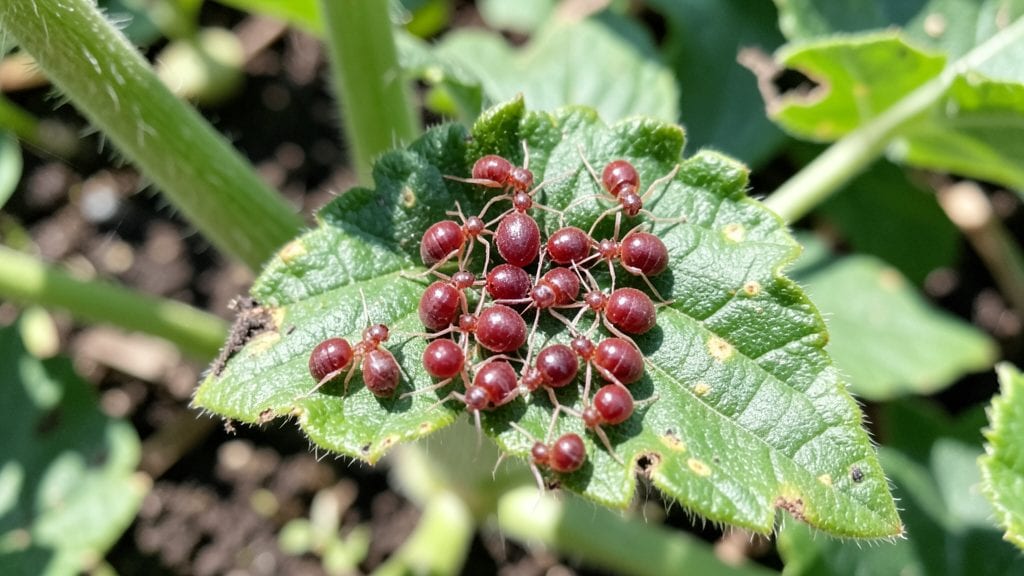
Red aphids on tomato plants can turn your harvest into a sticky, shriveled mess if you don’t act fast. 🌱 I’ve seen these tiny red invaders wipe out entire plants in under a week—until I discovered a neem oil spray that stops them cold within 24 hours.
The key isn’t just spraying, though; it’s timing, concentration, and knowing when to strike.
These pests thrive when tomatoes are stressed—whether from drought, overwatering, or poor soil. I’ve learned that a quick 5-minute inspection of the undersides of leaves (their favorite hiding spot) is the difference between saving your crop and watching it fail.
Once you spot them, neem oil disrupts their life cycle, but you’ve got to apply it right or they’ll just bounce back.
By morning, you’ll see the aphids drop like flies, and new growth will emerge clean and vigorous within days. The spray also prevents future infestations if you reapply every 7–10 days. No more sticky leaves, no more stunted tomatoes—just healthy plants that keep producing all season.
Works for greenhouses, containers, or in-ground gardens, and it’s safe for bees and other pollinators if used correctly. Here’s exactly how to mix, apply, and time your spray for maximum impact.
Root Causes of Tiny Red Invaders
Those bright red aphids feasting on your tomato plants aren’t just a random nuisance—they’re responding to specific environmental and biological signals. Understanding the why behind their presence is the first step to stopping them in their tracks.
Let’s break down the key triggers that turn your tomato plants into an all-you-can-eat buffet for these pests.
Tomato plants under stress become magnets for red aphids. When plants are crowded, they compete for sunlight, water, and nutrients, weakening their natural defenses. Stress signals—like those released by damaged leaves or roots—attract aphids, which are drawn to plants that are already struggling to thrive.
- Why it happens: Healthy plants produce sticky resins (like triterpenoids) that deter pests. Stressed plants? Not so much.
- Actionable insight: Thin out seedlings early to reduce competition, and avoid over-fertilizing with nitrogen (which promotes soft, aphid-loved growth).
- 💡 Pro Tip: Yellowing leaves or stunted growth? Your plants are sending out a distress call—and aphids are listening.
Red aphids thrive in warm, protected environments. If your tomato plants are tucked under dense foliage, near a south-facing wall, or covered by row covers, you’ve created the perfect aphid spa.
These pests prefer temperatures between 68–86°F (20–30°C) and love hiding in the cozy nooks where predators (like ladybugs) can’t reach.
- Why it happens: Heat and humidity slow down natural predators (like lacewings or parasitic wasps), giving aphids free rein. They also reproduce exponentially in these conditions—one female can birth 50–100 live nymphs in a week!
- Actionable insight:
- Space plants 18–24 inches apart for airflow.
- Avoid mulching too heavily near stems (keep it 2–3 inches away to prevent moisture buildup).
- Prune suckers and lower leaves to reduce hiding spots.
- 🌡️ Heat Hack: If aphids strike during a heatwave, a light shade cloth (30–50%) can lower leaf temps by 10°F (5°C), disrupting their breeding cycle.
Red aphids don’t just eat—they engineer ecosystems that make them even harder to eliminate. Their sticky honeydew (a sugary waste product) attracts sooty mold fungi, which blackens leaves and blocks sunlight.
This further stresses the plant, leading to more aphid recruitment. Worse? Honeydew also lures ants, which protect aphids in exchange for food.
- Why it happens: Aphids manipulate their environment to ensure survival. Sooty mold reduces photosynthesis by 30–50%, and ants act as bodyguards, carrying aphids to fresh feeding spots.
- Actionable insight:
- Wipe down leaves with a neem oil-soapy water mix (1 tsp neem oil + 1 tsp mild soap per quart of water) to disrupt honeydew buildup.
- Use ant barriers (like sticky traps or petroleum jelly on stakes) to block their highways.
- ✨ Science Bonus: Some aphids even change color (from green to red) when stressed by predators or environmental shifts—making them harder to spot until it’s too late.
Red aphids are prey, not just pests. Without their natural enemies—like ladybugs, lacewings, hoverflies, or parasitic wasps—they multiply unchecked. If your garden lacks biodiversity, aphids see your tomatoes as a free-for-all.
| Predator | How They Hunt Aphids | How to Attract Them |
|---|---|---|
| Ladybugs | Eat 5,000+ aphids in a lifetime! Larvae are even hungrier than adults. | Plant dill, fennel, or marigolds; avoid pesticides. |
| Lacewings | Larvae inject aphids with digestive enzymes, then slurp them up. | Leave patches of weeds or wildflowers; they love pollen. |
| Hoverflies | Larvae devour aphids like a vacuum cleaner. | Plant yarrow, cosmos, or alyssum for nectar. |
| Parasitic Wasps | Lay eggs inside aphids; the larvae eat them from the inside out. | Reduce pesticide use; they thrive in undisturbed ecosystems. |
🔥 Why it matters: A single ladybug can eat 5 aphids per day. Without them, your plants become a red aphid buffet overnight.
Quick Fixes for Tiny Tomato Troubles
If your tomato plants are under siege by red aphids, don’t panic—these pesky invaders can be stopped fast with the right approach. The key is to tackle the problem root cause by root cause, whether it’s overcrowded plants, weak soil, or a lack of natural predators.
Below, we’ve mapped out practical, step-by-step solutions tailored to the most common triggers, plus prevention tips to keep your tomatoes thriving long-term.
Red aphids love weak, stressed plants—especially when foliage is dense and airflow is poor. If your tomatoes are packed too tightly, they’re basically an all-you-can-eat buffet for aphids.
How to Fix It: ✅ 🌱 Prune & Space Plants Properly
- Trim yellowing or overcrowded leaves to improve airflow (aphids hate dry conditions).
- Space tomato plants 18–24 inches apart (check your variety’s needs—determinate vs. indeterminate matter!).
- Remove suckers (side shoots) to redirect energy to fruit production.
✅ 💦 Water at the Base, Not the Leaves
- Aphids thrive in damp foliage, so water early in the morning at soil level.
- Use a soaker hose or drip irrigation to avoid wetting leaves.
💡 Pro Tip: If aphids are already bad, mist plants with water in the evening—many will drop off overnight (they dislike sudden moisture changes).
Weak plants attract aphids like a magnet. If your tomatoes are nutrient-deficient (especially low in nitrogen or phosphorus), they’ll struggle to fend off pests.
How to Fix It: ✅ 🌿 Test & Amend Your Soil
- A simple DIY soil test (kit from a garden center) checks pH and nutrient levels.
- Add compost or worm castings for a slow-release nutrient boost.
- If soil is too alkaline (pH >7), mix in sulfur or peat moss to lower pH slightly.
✅ 🍽️ Feed with the Right Fertilizer
- Early growth? Use a balanced 10-10-10 fertilizer.
- Fruiting stage? Switch to a low-nitrogen, high-phosphorus (like 5-10-10) to support blooms.
- Avoid over-fertilizing—aphids love soft, fast-growing plants!
💡 Pro Tip: Fish emulsion or seaweed extract (1 tbsp/gallon) acts as a gentle fertilizer + aphid repellent—aphids hate the smell!
Aphids boom when their predators vanish. If you’ve been using harsh chemicals, ladybugs, lacewings, and parasitic wasps may have fled.
How to Fix It: ✅ 🐞 Invite Beneficial Insects
- Buy ladybugs or lacewing larvae from garden centers and release them at dusk (they’re nocturnal).
- Plant companion flowers like marigolds, dill, or fennel to attract predators.
- Avoid broad-spectrum pesticides—they kill both pests AND helpers.
✅ 🌿 Create a "Bug Hotel"
- Leave some leaf litter or hollow stems near plants for beneficial insects to nest.
- A small water dish with pebbles (for drinking) encourages ladybugs to stay.
💡 Pro Tip: Neem oil spray (see below) won’t harm predators if applied early in the day—give them time to leave before spraying.
If aphids are already swarming, a neem oil spray is your fastest, most effective solution—non-toxic, organic, and works in 24–48 hours.
How to Fix It: ✅ 🔪 DIY Neem Oil Spray Recipe
- 1 tsp neem oil
- 1 tsp mild soap (like Castile soap)
- 1 quart (32 oz) water
- Mix in a spray bottle, shake well, and spray directly on aphids (both top and bottom of leaves).
- Reapply every 5–7 days until aphids disappear.
✅ ⏰ Best Time to Spray
- Early morning or late evening (avoids burning plants in direct sun).
- Spray until leaves are glistening—coverage is key!
💡 Pro Tip: Add a few drops of garlic oil (1 tsp per quart) to repel aphids longer—garlic is a natural aphid deterrent.
Once you’ve kicked the aphids out, don’t let them come back! Follow these easy maintenance habits:
- 🌡️ Monitor plants weekly—catch infestations early before they spread.
- 🎯 Rotate crops—don’t plant tomatoes in the same spot yearly (aphids remember!).
- 🍎 Use reflective mulch (aluminum foil or silver plastic) around plants—aphids hate shiny surfaces.
- 🌿 Grow resistant varieties like ‘Solar Fire’ or ‘Mountain Merit’ tomatoes (they’re aphid-deterrent breeds).
Final Thought: Red aphids on tomatoes are annoying but beatable—especially with neem oil + a few smart tweaks. Start with pruning, soil health, and beneficial insects, then spray neem oil for a quick knockout. Your tomatoes will be back to thriving in no time! 🍅✨
Frequently asked questions
Why do my tomato plants suddenly get red aphids when they were fine before?
Red aphids often strike when tomato plants experience stress from factors like drought, overwatering, or nutrient deficiencies. They're also drawn to crowded plants with poor airflow. Check for yellowing leaves or stunted growth—these are signs your plants are sending out distress signals that attract aphids. A sudden heatwave or lack of natural predators (like ladybugs) can also trigger an infestation.
Is neem oil safe to use on tomato plants when fruit is already forming?
Yes, neem oil is completely safe for tomato plants at all growth stages, including when fruit is forming. The key is proper application: spray early in the morning or late evening to avoid leaf burn from sunlight. Just ensure you're using food-grade neem oil and follow the 1 tsp neem oil + 1 tsp mild soap per quart of water ratio. It won't harm developing tomatoes or beneficial insects if applied correctly.
How do I know if I have red aphids vs. other tomato pests like spider mites?
Red aphids are small (1/16 inch), bright red, and clustered on new growth or leaf undersides. They leave sticky honeydew trails. Spider mites, by contrast, are tiny yellow or red dots that cause stippling (tiny white dots) on leaves and thrive in dry conditions. Check with a magnifying glass—aphids are easier to see with the naked eye. If you see webbing, it's likely spider mites, not aphids.
Will my tomato harvest be ruined if I treat red aphids now?
No—early treatment prevents long-term damage. Red aphids primarily attack leaves and new growth, not fruit directly. If you act within 3-5 days of noticing them, your tomatoes will develop normally. The real risk is letting them multiply: severe infestations can cause leaves to curl, stunt growth, and attract sooty mold. A quick neem oil spray stops them before they reach this stage.
Can I use the same neem oil spray recipe for other garden pests?
Yes! This same neem oil + soap spray works on many soft-bodied pests like whiteflies, mealybugs, and even some caterpillars. For tougher pests like beetles, add 1 tsp garlic oil to enhance effectiveness. Just adjust the concentration for delicate plants—herbs and young seedlings may need a 50% dilution of the standard recipe. Always test on a small leaf area first.