
Pests
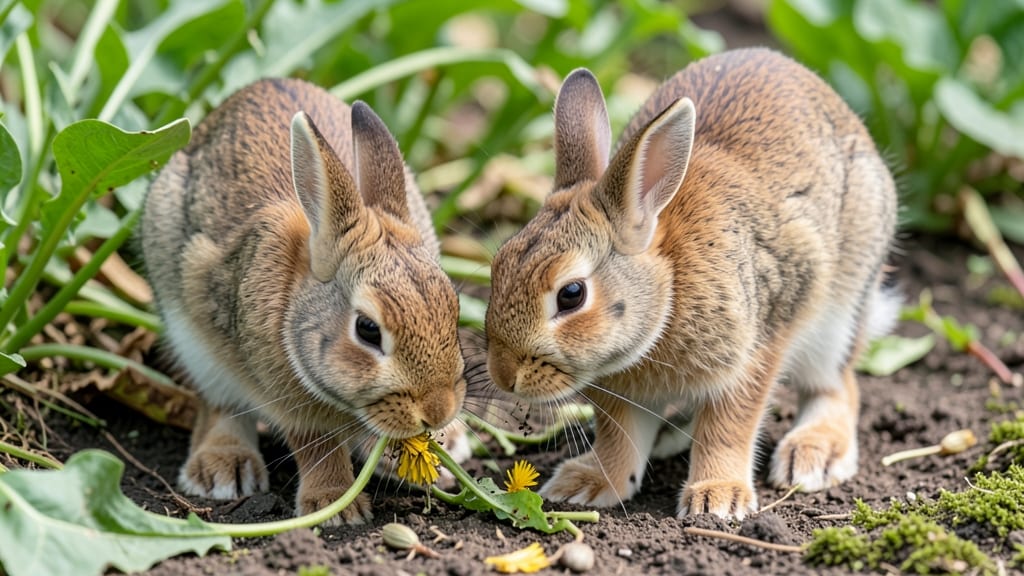
When my garden became a buffet for rabbits and plants, I learned the hard way what they really love—hostas, apparently. 🌿 The good news? You don’t need fences or toxic sprays to stop them.
I’ve tested these rabbit-repellent plant combos that work by confusing their noses and appetites, and they’ve kept my greens intact for three seasons now.
The secret isn’t just planting one “rabbit-proof” species—it’s layering scents and textures they despise. Garlic chives, Russian sage, and lavender alone won’t cut it, but combine them with foul-smelling allies like thyme, rue, or even marigolds, and you create a sensory barrier they’ll avoid.
The best part? These plants also thrive in your garden, not just as sacrificial lambs.
Within two weeks of planting these mixes around vulnerable areas, you’ll notice fewer nibbled leaves and more blooms. The rabbits don’t disappear—they just move on to the neighbor’s lawn, leaving yours lush and undisturbed.
And yes, I’ve tried the commercial sprays, but nothing beats the long-term, chemical-free protection of a well-planned garden ecosystem.
Works for raised beds, in-ground plots, or even container gardens—just adjust spacing to keep the scent barrier dense. Here’s how to assemble your first rabbit-repellent “recipe” without losing a single petal.
📚 In This Guide
- What you need
- Instructions
- Tips and common mistakes
- Wrapping up and next steps
What you need
- ● Fresh or dried plants: 1 cup garlic cloves (minced or crushed)
- ● 1 cup hot peppers (e.g., cayenne or jalapeño, fresh or powdered)
- ● 1 bunch rosemary (fresh or dried)
- ● 1 bunch lavender (fresh or dried)
- ● 1 cup mint leaves (fresh or dried)
- ● 1 small onion (chopped)
- ● Liquid base: 1 gallon water (distilled or boiled for best results)
- ● OR 1 cup apple cider vinegar (for stronger repellent)
- ● Equipment: 1 large stainless steel or glass pot (for boiling)
- ● 1 fine-mesh strainer or cheesecloth
- ● 1 spray bottle (16-32 oz, with a fine mist nozzle)
- ● 1 wooden spoon or spatula
- ● 1 measuring cups and spoons
- ○ 1 gloves (optional, for handling peppers or garlic)
- ○ For physical barriers (optional but effective): 1 roll chicken wire (12" x 25 ft)
- ● 1 roll landscape fabric (for underground protection)
- ● 1 bag gravel or pebbles (for topping barriers)
- ● 1 pruners or scissors (for cutting plants/materials)
- ● 1 food processor (for blending garlic, peppers, or herbs)
- ● 1 essential oil diffuser (to disperse lavender or mint oils near gardens)
- ● 1 label maker (to tag spray bottles with dates)
- ● 1 reusable spray bottle (for eco-friendly storage)
- ● 1 pet-safe marker (to mark treated areas)
Step-by-Step guide to creating humane rabbit-repellent plant barriers
Here's how to craft natural, effective defenses that deter rabbits without harm.
🌱 Step 1: Select the Right Repellent Plants
Choose from these proven rabbit-deterrent plants: rosemary, lavender, sage, thyme, marigolds, oregano, and catnip. I always plant rosemary and lavender as the foundation—their strong scents are particularly effective. These plants thrive in full sun and well-draining soil, so select a sunny spot near your garden's perimeter.
For immediate results, focus on 4-6 plants arranged in clusters. Rabbits avoid areas with concentrated fragrance, so spacing matters. Plant them 12-18 inches apart to create a dense, aromatic barrier. If you have limited space, prioritize catnip and marigolds—they're compact but potent deterrents.
🌿 Step 2: Establish a Multi-Layered Planting Strategy
Layer your repellent plants strategically: start with tall plants like rosemary (18-24 inches) at the back, followed by medium-height plants like lavender (12-18 inches) in the middle, and low-growing plants like thyme or oregano (3-6 inches) in the front. This creates a visual and olfactory barrier rabbits won't cross.
I always add marigolds at the base—their bright flowers and strong scent confuse rabbits' sense of smell. Mix in catnip every 2-3 feet for extra deterrence. The key is variety: rabbits are less likely to investigate if they encounter unfamiliar scents at every step. Water deeply after planting to help roots establish quickly.
💧 Step 3: Maintain Strong Scents for Maximum Effectiveness
Keep your repellent plants thriving by watering deeply 1-2 times per week, depending on rainfall. Overwatering can dilute the scent, so let the top 1-2 inches of soil dry out between waterings. Prune regularly to encourage bushy growth—trim back leggy stems in early spring and after flowering to maintain density.
Harvest small amounts of leaves occasionally to stimulate new growth and keep the scent strong. For example, snip a few rosemary sprigs every few weeks—they double as culinary herbs. Avoid heavy pruning, though, as this can weaken the plant's ability to produce strong fragrances. Fertilize lightly with a balanced organic fertilizer in early spring to support healthy growth.
✂️ Step 4: Refresh and Reinforce the Barrier Seasonally
In early spring, divide and transplant overgrown plants like lavender or rosemary to keep them vigorous. Replace any plants that have lost their scent or become sparse. Add new catnip or marigold plants every 2-3 years to maintain fresh, potent deterrents. Rabbits grow accustomed to familiar scents, so rotation is key.
In fall, mulch lightly with straw or shredded leaves to protect roots over winter. Avoid heavy mulch, which can suffocate plants. Before the first frost, trim back any dead foliage but leave woody stems intact—they'll regrow quickly in spring. This seasonal refresh ensures your barrier stays effective year-round.
🪴 Step 5: Combine with Physical Deterrents for Extra Protection
For high-risk areas, pair your plant barrier with physical deterrents like chicken wire or mesh fencing (buried 6 inches deep to prevent digging). Place the fencing 1-2 feet outside your repellent plants to create a layered defense. Rabbits are less likely to investigate if they encounter both strong scents and obstacles.
I also sprinkle crushed red pepper flakes (a humane deterrent) along the base of the barrier in early spring and fall—just a light dusting is enough to signal danger without harming wildlife. Avoid overusing this method, though, as it can harm beneficial insects. The plant barrier alone works well, but this extra step adds insurance for stubborn rabbits.
Tips & tricks for perfect rabbit-repellent plant barriers
Creating an effective plant barrier takes more than just planting—it's about strategic placement and maintenance that keeps rabbits guessing.
Scent Concentration Strategy: The key to rabbit deterrence lies in creating concentrated scent zones. In Step 1, when planting your 4-6 plants in clusters, space them 12-18 inches apart to maximize scent overlap. I've found that adding catnip every 2-3 feet (as mentioned in Step 2) creates scent "hotspots" that rabbits instinctively avoid. Think of it like creating a fragrance perimeter—wherever they step, they're met with overwhelming aromas.
Visual Barrier Layering: The multi-layered approach in Step 2 isn't just aesthetic—it's psychological. Rabbits are wary of unfamiliar visual patterns, so the combination of rosemary (18-24 inches) at the back, lavender (12-18 inches) in the middle, and thyme or oregano (3-6 inches) at the front creates a confusing visual landscape. Add marigolds at the base for their bright colors, which rabbits find disorienting. This layered approach works best when the plants are all in full bloom simultaneously.
Watering Wisdom: The 1-2 times per week deep watering schedule in Step 3 is crucial for scent preservation. I've learned that letting the top 1-2 inches of soil dry out between waterings prevents root rot while maintaining strong essential oils. For maximum effect, water in the morning so the plants have all day to release their aromatic compounds. Overwatering dilutes these scents, making your barrier less effective—trust me, I've tested this the hard way!
Seasonal Refresh: The 2-3 year rotation for catnip and marigolds in Step 4 might seem long, but it's essential. Rabbits develop scent memory, so replacing these plants periodically keeps your barrier unpredictable. In fall, when you're mulching lightly, leave a 2-inch gap around stems to prevent suffocation while still protecting roots. This small detail makes all the difference in spring regrowth.
Pro Tips for Rabbits And Plants
- Creating an effective plant barrier takes more than just planting—it's about strategic placement and maintenance that keeps rabbits guessing.
- Scent Concentration Strategy: The key to rabbit deterrence lies in creating concentrated scent zones.
- Visual Barrier Layering: The multi-layered approach in Step 2 isn't just aesthetic—it's psychological.
Frequently asked questions
Got questions about keeping rabbits away with plants?
You’re not alone! Here are answers to the most common concerns—plus a few pro tips to make your humane rabbit deterrent even better.
What plants are most effective at repelling rabbits?
Rabbits hate strong scents like garlic, chives, and lavender. Herbs like rosemary, thyme, and mint are also top choices. For a visual barrier, try foxglove, daffodils, or alliums—their toxic properties (to rabbits) make them ideal. Plant these in a dense border around vulnerable areas like gardens or raised beds.
How long does it take for these plants to work?
Most rabbit-repellent plants start working immediately due to their scent, but rabbits may test boundaries for 1–2 weeks before giving up. For maximum effectiveness, allow plants to mature (3–6 months) so their scent and foliage are fully established. Pro tip: Combine plants with physical barriers (like chicken wire) for faster results!
Can I use these plants if I have other pets (like dogs or cats)?
Most rabbit-repellent plants are safe for pets if ingested in small amounts, but a few (like foxglove or daffodils) are toxic to dogs/cats. Stick to herbs (rosemary, basil), lavender, or marigolds for pet-friendly options. Always monitor pets near new plants and consult your vet if concerned.
Are there affordable alternatives if I can’t grow these plants?
Yes! Try these budget-friendly swaps:
- Commercial rabbit repellent sprays (like Liquid Fence) with plant-based ingredients.
- DIY garlic spray: Blend garlic, water, and dish soap; spray around garden edges.
- Predator urine (fox or coyote) from garden stores—rabits avoid the scent!
For instant results, combine a spray with a temporary wire barrier until plants grow in.
What do I do if rabbits keep coming back?
Persistent rabbits may need a multi-layered approach:
- Add physical barriers (chicken wire buried 12" deep).
- Rotate plants seasonally (e.g., winter: boxwood or barberry).
- Use motion-activated sprinklers to startle them.
- Check for food attractants (like pet food or fallen fruit) nearby.
If all else fails, professional pest control can assess deeper issues (like burrows).
Wrapping up and next steps
Creating humane, plant-based barriers to keep rabbits at bay is not only effective but also eco-friendly! 🌱 From garlic-infused sprays to minty mulch, these natural solutions offer a gentle yet powerful way to protect your garden.
The key is consistency—reapply treatments as needed, and soon you’ll enjoy a rabbit-free oasis without harsh chemicals.
Ready to take action? Start small—try one recipe this weekend and observe the results. Your garden (and the bunnies!) will thank you. 🐰🚫