
Pruning
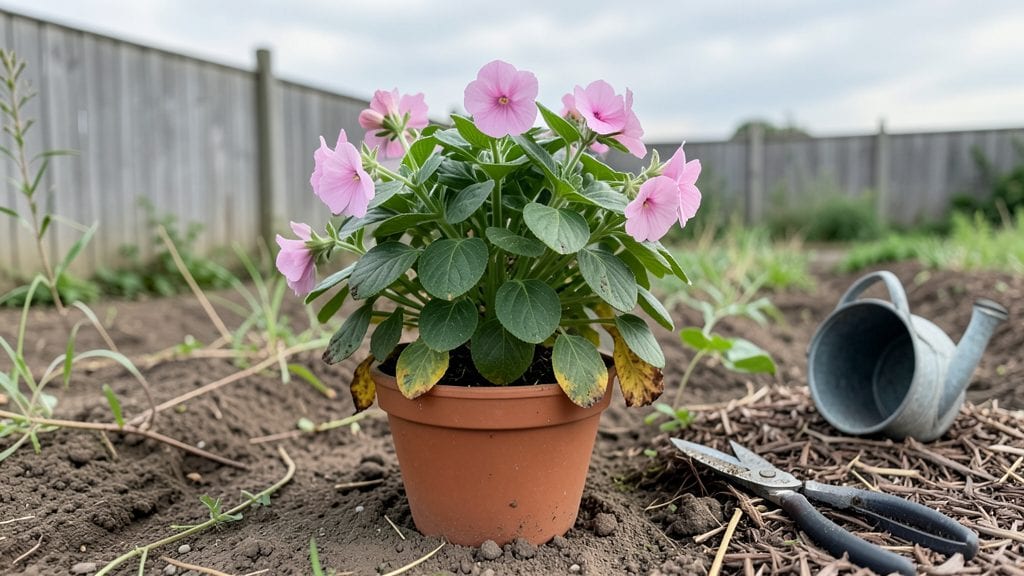
Pruning impatiens plants turns a single season of blooms into a year-round show of vibrant color. 🌸 I learned this the hard way after my first impatiens plants faded by August—until I discovered the three simple cuts that keep them flowering until frost.
The secret isn't complicated: timing, technique, and a little regular attention make all the difference.
You only need three basic tools: sharp pruning shears, clean scissors, or even your fingers for deadheading. The real trick is knowing when to cut—pinch back leggy stems in spring, trim spent blooms throughout summer, and give them a light haircut in early fall.
Each cut encourages new growth, so you end up with bushier plants that refuse to quit blooming.
After pruning, your impatiens will bounce back with fresh, velvety foliage and a fresh wave of flowers within weeks. The plants stay compact, look fuller, and produce more blooms than they would without regular maintenance. It's the difference between a single burst of color and a season-long display.
Works for both shade-loving New Guinea impatiens and classic Busy Lizzie varieties. The same principles apply whether you're pruning in containers or garden beds. Let's get those shears ready!
📚 In This Guide
- What you need
- Instructions
- Tips and common mistakes
- Wrapping up and next steps
What you need
- ● Sharp pruning shears – Bypass pruners (4-6" blades) for clean cuts (avoid dull tools—they crush stems!). Quantity: 1 pair.
- ● Garden gloves – Nitrile-coated or heavy-duty leather to protect against thorns and sap. Quantity: 1 pair.
- ● Disinfectant (70% isopropyl alcohol or bleach solution) – 1:9 bleach-to-water ratio to sterilize tools between cuts and prevent disease.
- ○ Pruning saw (optional) – For thick, woody stems (rare in Impatiens but handy for overgrown plants). Quantity: 1.
- ● Compost or mulch – For amending soil post-pruning (1-2 gallons or a 2-3" layer).
- ● Choose the right time – Prune in the morning on a cloudy day to reduce stress on the plant (avoid midday heat!).
- ● Water the plant 1-2 hours before pruning – Well-hydrated stems are easier to cut and heal faster.
- ● Gather a bucket or bag – For clippings (use for compost or discard).
- ● Check the weather forecast – Avoid pruning if rain is expected within 24 hours (wet conditions promote fungal issues).
- ● Plant growth regulator (PGR) – Diluted seaweed extract or commercial PGR to encourage bushier growth after pruning.
- ● Hose with a gentle spray nozzle – To rinse off sap and debris post-pruning.
- ● Notebook & pen – To log pruning dates and plant responses for future reference!
Step-by-Step instructions for pruning impatiens plants
Here’s the simple, foolproof way to keep your impatiens blooming nonstop—no fancy tools or guesswork needed.
✂️ Step 1: Deadhead Spent Blooms Weekly
Pinch off faded flowers with your fingers or clean pruners just above the next set of leaves. This prevents seed production, which saps energy from new blooms. I do this every Saturday morning—it takes less than 5 minutes per plant. Look for flowers that’ve lost their vibrant color and feel slightly crispy to the touch; those are ready to go.
Don’t cut into the stem—just twist or snip right where the flower meets the stem. You’ll see fresh buds forming within days. If you miss a week, don’t stress; impatiens are forgiving, but consistent deadheading keeps them looking lush and productive.
✂️ Step 2: Trim Leggy Growth in Early Spring
When new growth starts in spring, check for stems that’ve stretched too tall or grown sparse. Use clean pruners to cut back these leggy stems by about one-third—just above a set of healthy leaves. This encourages bushier growth and more flowers. I always prune on an overcast day so the plants aren’t stressed by sudden sunlight.
Leggy stems are easy to spot: they’ll be thin, pale, and have few leaves. After trimming, water the plant deeply to help it recover. You’ll notice new side shoots forming within 2-3 weeks, and those will bloom faster than the old growth ever did.
✂️ Step 3: Light Pruning After Heavy Blooming
Once impatiens have had a big flush of blooms (usually mid-to-late summer), give them a light trim to refresh their shape. Cut back the longest stems by half, always above a leaf node. This prevents the plant from looking ragged and encourages a second wave of flowers. I do this in early August—just as the first blooms start to fade.
After pruning, add a balanced fertilizer to help the plant recover and produce new growth. You’ll see fresh green leaves within 7-10 days, and flowers will return in about 3 weeks. If your impatiens are in containers, this is also a great time to refresh the soil with a top dressing of compost.
⏰ Step 4: Winter Prep (If Growing in Mild Climates)
If you’re growing impatiens in a frost-free zone, trim back all stems by half in late fall to tidy up the plant. Cut just above a leaf node to encourage new growth in spring. This is also the time to divide overcrowded plants—dig them up, separate the roots, and replant in fresh soil. I do this in November, just before the cooler weather sets in.
After trimming, reduce watering slightly but keep the soil lightly moist. Impatiens are tender perennials, so they need protection from cold winds. If frost is possible, move potted plants to a sheltered spot or bring them indoors until spring. With this simple prep, your impatiens will bounce back stronger than ever next season.
Tips & tricks for pruning impatiens plants
Here's what I've learned after years of keeping impatiens blooming all season long—simple tricks that make all the difference.
Timing Secret: Those 5 minutes of deadheading in Step 1 really add up. I set a reminder on my phone for Saturday mornings so it becomes a habit. The key is consistency—even if you miss a week, don't panic. Impatiens are resilient, but regular deadheading prevents the plant from wasting energy on seed production. You'll notice fresh buds appearing within days of your pruning session.
Leggy Growth Rescue: In Step 2, when you're cutting back those leggy stems by one-third, focus on the healthiest leaves. The plant will use these leaves to produce new growth. After pruning, I always water deeply—not just a quick splash—to help the plant recover. Within 2-3 weeks, you'll see those new side shoots pushing out, and they'll bloom faster than the old growth ever did.
Post-Pruning Care: After the light pruning in Step 3, don't forget the fertilizer! I use a balanced 10-10-10 formula to give my impatiens a boost. You'll see fresh green leaves within 7-10 days, and those new flowers will appear in about 3 weeks. For container plants, I refresh the top inch of soil with compost—it makes a noticeable difference in how quickly they bounce back.
Winter Prep Wisdom: In Step 4, when you're preparing for winter, remember that impatiens are tender plants. After trimming, I move my potted plants to a sheltered spot under a patio cover. This protects them from cold winds while still allowing some light. If frost is forecast, I bring them indoors to a bright window—just don't let them get too cold, or they'll go dormant.
Pro Tips for Pruning Impatiens Plants
- Here's what I've learned after years of keeping impatiens blooming all season long—simple tricks that make all the difference.
- Timing Secret: Those 5 minutes of deadheading in Step 1 really add up.
- Leggy Growth Rescue: In Step 2, when you're cutting back those leggy stems by one-third, focus on the healthiest leaves.
Frequently asked questions
Got questions about keeping your impatiens blooming beautifully? Here are some of the most common ones—plus quick answers to help you prune like a pro!
When is the best time to prune impatiens for continuous blooms?
Prune impatiens throughout the growing season—spring, summer, and even early fall. Focus on pinching back leggy stems in early spring to encourage bushiness, then trim spent blooms regularly to redirect energy to new flowers. Avoid heavy pruning after the first frost, as the plant will slow down or die back.
Can I prune impatiens too much? What are the signs?
Yes! Over-pruning can stress your plants, leading to bare stems, yellowing leaves, or stunted growth. If you notice fewer blooms or slow regrowth after trimming, you’ve likely cut back too aggressively. Aim to remove no more than 1/3 of the plant’s foliage at a time.
What should I do with the cuttings after pruning?
Don’t toss those trimmings! Root impatiens cuttings in water or moist potting mix to propagate new plants. Choose healthy, non-flowering stems (4–6 inches long) and place them in indirect light. Roots typically form in 2–4 weeks—perfect for expanding your garden or sharing with fellow plant lovers!
How do I prune impatiens in hot or humid climates?
In hot/humid areas, prune in the morning or evening to avoid stressing the plant. Use sterilized shears to prevent fungal issues, and space out pruning sessions (every 2–3 weeks) to allow time for recovery. Watch for powdery mildew—trim affected leaves immediately and improve airflow around the plant.
Are there alternatives to pruning for encouraging more blooms?
While pruning is key, you can also boost blooms by:
- Deadheading (removing spent flowers daily)
- Fertilizing with a balanced, water-soluble formula every 2–3 weeks
- Ensuring 4–6 hours of sunlight (morning sun is ideal)
- Avoiding overwatering (keep soil consistently moist but not soggy)
Wrapping up and next steps
Pruning your impatiens isn’t just about keeping them tidy—it’s the secret to vibrant, long-lasting blooms all year round! With just three simple cuts, you can encourage bushier growth, prevent legginess, and enjoy a garden bursting with color. 🌸
Now that you’re armed with the know-how, grab those shears and give your impatiens the TLC they deserve. Start with a quick trim this weekend—your plants (and your neighbors!) will thank you. Happy pruning! 🌿✂️