Pruning
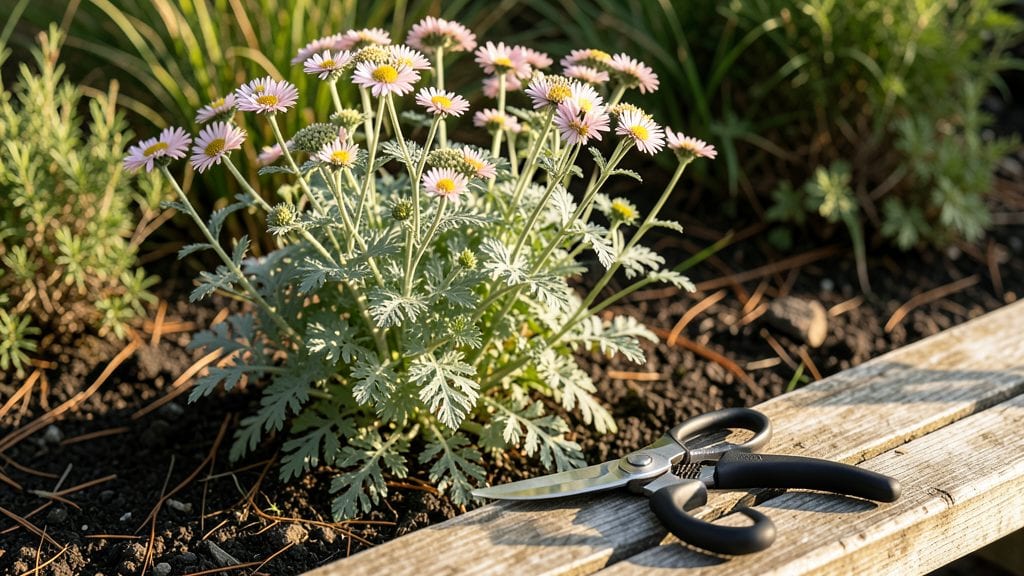
Pruning yarrow plants isn't just about keeping them tidy—it's the secret to year-round vigor that turns floppy stems into bushy, bloom-covered powerhouses. 🌿 I learned this the hard way after letting my first yarrow clump get leggy and sparse by summer's end.
The right cuts at the right time make all the difference, and I've perfected a three-cut system that keeps my plants thriving through every season.
You only need three tools: sharp pruning shears, gloves (yarrow's stems can be tough), and a clear day when the plants are actively growing. The first cut happens in early spring, right after the last frost, to remove dead foliage and encourage fresh growth.
This isn't some complicated ritual—it's about giving your yarrow a fresh start, just like you'd do with any other perennial. My plants respond by sending up new shoots within weeks, and the blooms come thicker than ever.
By mid-summer, your yarrow will look like it's ready to explode with flowers—this is when the second cut comes in. Pinch back the spent blooms and any leggy stems to redirect energy into new growth and more flowers.
You'll be rewarded with a second flush of blooms that lasts well into fall. The final cut happens in late fall, just before the first hard frost, to clean up any remaining debris and prevent disease over winter.
Here's the thing—most people skip the fall cleanup, and that's when problems start. Without it, your yarrow can get crowded, attract pests, and look ragged next spring.
But with these three strategic cuts, you'll have yarrow that's not just surviving, but putting on a show from spring to frost. Let's get those shears ready!
📚 In This Guide
- What you need
- Instructions
- Tips and common mistakes
- Wrapping up and next steps
What you need
- ● Sharp bypass pruners – Must be clean and sharp (sterilize with rubbing alcohol between cuts to prevent disease). Look for ergonomic handles for comfort during long sessions.
- ● Hand pruners (for smaller stems) – Ideal for trimming delicate foliage or stems under ¼-inch thick. Choose stainless steel blades for longevity.
- ● Garden shears or loppers – For thicker stems (over ½-inch thick). Opt for bypass-style loppers with a 4- to 6-inch blade for precision.
- ● Gloves (cut-resistant) – Protect your hands from thorns and rough stems. Nitrile-coated gloves work best for grip and durability.
- ● Disinfectant (rubbing alcohol or 10% bleach solution) – 1 part bleach to 9 parts water for sterilizing tools between plants.
- ○ Garden twine or string – For tying back heavy stems after pruning (optional but helpful for large clumps).
- ● Compost bin or bag – To collect pruned stems for mulch or compost (yarrow decomposes quickly!).
- ● Watering can or hose – Keep yarrow hydrated before and after pruning to reduce stress.
- ● Knee pads or stool – Because pruning yarrow is easier on the knees! Look for ergonomic designs for long gardening sessions.
- ● Pruning saw (for very thick stems) – Rarely needed for yarrow, but useful if your plant has woody stems over 1-inch thick.
- ● Plant marker or labels – If you’re pruning multiple varieties, label them to avoid confusion.
- ● Hairspray bottle with water – Lightly mist stems before cutting to reduce dust and make pruning cleaner.
- ● Garden journal – Track pruning dates, weather, and plant responses for future reference!
Step-by-Step instructions for pruning yarrow plants
Here’s how I keep my yarrow lush, blooming, and pest-free with just three focused cuts.
✂️ Step 1: First Cut After Flowering to Encourage Rebloom
Once the first flush of blooms fades, cut back the entire stem by one-third using sharp, clean pruners. This removes spent flowers and redirects energy to fresh growth. I always prune just above a set of leaves or a node—never leave stubs. Yarrow blooms again quickly after this cut, often producing a second round of flowers by mid-summer.
Watch for the first signs of seed heads—those dry, papery blooms. If you leave them, the plant focuses on seed production instead of new growth. Cutting them back also prevents self-seeding, which can turn your yarrow into an unruly volunteer in unwanted spots. Wear gloves if you’re sensitive to the fine hairs on the stems.
🌿 Step 2: Mid-Season Pruning for Shape and Airflow
Around late July, give your yarrow a light trim to open up the plant. Cut back any leggy or overgrown stems by half their length, but leave the lower foliage intact. This improves airflow, reducing the risk of fungal diseases like powdery mildew. I like to shape the plant into a loose mound—yarrow has a natural, airy habit, so don’t shear it too tightly.
This is also the time to remove any dead or damaged leaves. Look for yellowing or brown patches—these are signs of stress or disease. Snip them off at the base with clean pruners. Healthy yarrow leaves should be bright green and firm. If you see soft, mushy leaves, that’s a sign of rot, and you’ll need to prune more aggressively to improve airflow.
✂️ Step 3: Late-Season Cutback for Winter Prep
In early fall, before the first frost, give your yarrow one last haircut. Cut back the stems to about 2-3 inches above the ground. This prevents the plant from sending up weak, late-season growth that won’t survive winter. I always prune after a light frost—it signals the plant to slow down and conserves energy for next year.
Leave the cut stems in place over winter. They provide some insulation for the crown, and the dead foliage can be pulled off in early spring once new growth appears. If you’re in a harsh climate, you can mulch lightly with 2-3 inches of straw to protect the crown from extreme cold. Avoid heavy mulch—yarrow dislikes being smothered.
⏰ Step 4: Spring Cleanup for Fresh Start
In early spring, as soon as new growth emerges, remove any remaining dead stems. Use your hands or pruners to pull out last year’s growth, leaving only the fresh, green shoots. This keeps the plant tidy and prevents pests from hiding in old debris. I also check for any overwintering pests like spider mites or aphids—if you spot them, treat with neem oil or insecticidal soap.
This is the perfect time to divide your yarrow if it’s getting crowded. Simply dig up the clump, separate the roots, and replant the divisions. Yarrow spreads easily, so dividing in spring ensures strong, healthy plants for the season ahead. Water lightly after transplanting to help the roots settle in.
Tips & tricks for pruning yarrow plants
Keeping your yarrow thriving year after year takes a little strategy—and avoiding these common mistakes makes all the difference.
Timing is Everything: The first cut right after flowering (Step 1) should happen when you see those dry, papery seed heads forming. I've learned the hard way that waiting too long means the plant shifts energy to seed production instead of reblooming. Look for those telltale brownish centers on the flowers—when you spot them, it's time to prune. This single timing decision determines whether you get that second flush of blooms by mid-summer.
Tool Prep Prevents Problems: Clean, sharp pruners are non-negotiable—dull blades crush stems and create entry points for disease. I always wipe my pruners with rubbing alcohol between cuts, especially when dealing with yarrow's fine hairs that can irritate skin. For Step 2's mid-season trim, I recommend using bypass pruners instead of anvil types—they make cleaner cuts that heal faster. And always sterilize your tools if you notice any signs of disease on your plants.
Winter Prep Wisdom: That early fall cutback (Step 3) to 2-3 inches above ground isn't just about tidiness—it's about survival. The light frost trigger is crucial: prune after just one light frost, not before a hard freeze. I've seen yarrow plants that were cut too early send up tender new growth that gets nipped by unexpected cold snaps. The 2-3 inch height gives enough insulation while preventing the crown from getting too cold. In particularly harsh climates, that light straw mulch (2-3 inches) can make the difference between winter survival and spring disappointment.
Spring Cleanup Secrets: When doing your spring cleanup (Step 4), focus on removing only last year's dead stems—never pull out any green growth, even if it looks weak. Healthy yarrow often sends up new shoots from the base that might look pale at first. I've found that dividing crowded clumps in spring gives you stronger plants for the season, but only do this when you see multiple shoots emerging from the same crown. Water lightly after dividing to help those roots establish without overwhelming them.
Pro Tips for Pruning Yarrow Plants
- Keeping your yarrow thriving year after year takes a little strategy—and avoiding these common mistakes makes all the difference.
- Timing is Everything: The first cut right after flowering (Step 1) should happen when you see those dry, papery seed heads forming.
- Tool Prep Prevents Problems: Clean, sharp pruners are non-negotiable—dull blades crush stems and create entry points for disease.
Frequently asked questions
Got questions about keeping your yarrow thriving with the right cuts?
Here are answers to the most common queries—from timing to tools—to help you prune like a pro!
When is the best time to prune yarrow for maximum blooms?
Prune yarrow three times a year for best results: early spring (to remove dead growth), mid-summer (to encourage reblooming), and late fall (to tidy up before winter). Avoid heavy cuts in late summer if you want winter interest—just trim spent flowers!
Can I prune yarrow too much? What are the signs?
Over-pruning yarrow can stress it—look for yellowing leaves, stunted growth, or no blooms as red flags. Stick to 1/3 of the plant’s height max per cut and avoid pruning into old wood. Yarrow’s hardy, but even it needs balance!
Should I prune yarrow in extreme heat or cold?
Avoid pruning during heatwaves (above 90°F) or hard freezes (below 20°F). Yarrow recovers well, but stress from extreme temps + cuts can invite pests or disease. Early morning or late afternoon on mild days is ideal!
What’s the difference between pruning and deadheading yarrow?
Both matter! Pruning = shaping the plant (cutting back stems to encourage bushiness or reblooms). Deadheading = snipping only spent flowers to redirect energy into more blooms. Do both for a fuller, longer-lasting yarrow plant!
Can I use pruned yarrow stems for anything else?
Dried yarrow flowers
make stunning potpourri or herbal sachets. Chop fresh stems for homemade yarrow tea (anti-inflammatory!) or add them to bouquets—they last weeks in a vase. Just skip stems with mildew.
Wrapping up and next steps
Pruning yarrow isn’t just about tidying up—it’s your secret weapon for longer blooms, healthier growth, and year-round resilience. 🌿 By mastering the three strategic cuts (early spring, mid-summer, and fall), you’ll keep your plants lush, pest-resistant, and bursting with color.
With the right tools and timing, even beginners can transform their yarrow into a thriving garden star!
Ready to level up your green thumb? Start by grabbing your pruners and scheduling your first cut—your yarrow will thank you with bold, vibrant foliage all season long! 🌸