
Companion Plants
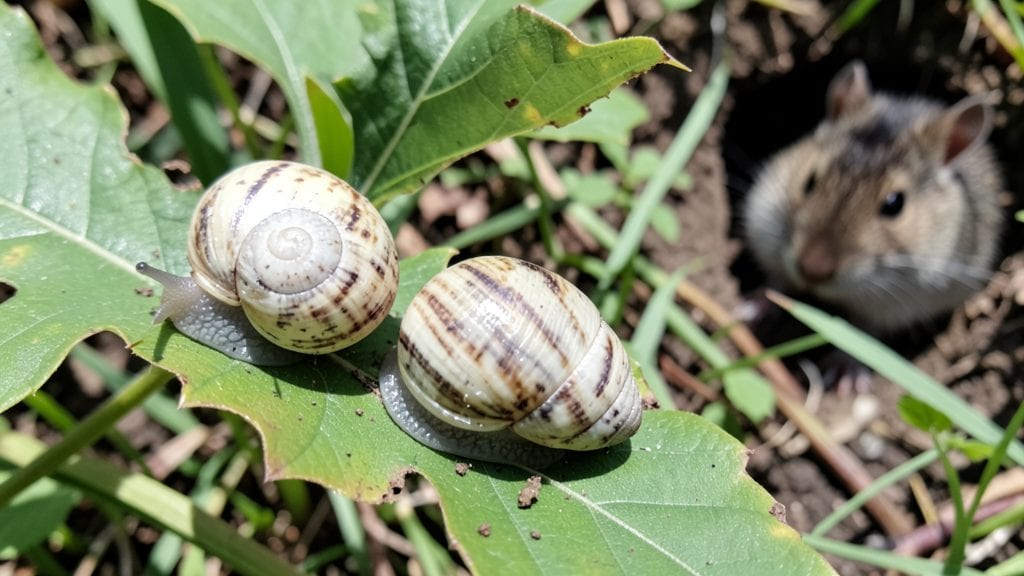
When snails on plants turn your garden into a slimy buffet, it’s time for a smarter approach than beer traps or slug pellets. 🌿 I’ve tested the most effective natural methods—from copper barriers that give them a shock to predator-friendly habitats that turn your yard into a snail-free zone.
These solutions work because they address the root causes: moisture, shelter, and easy access to tender leaves.
The key is combining physical barriers with biological controls. Copper tape around pots creates an electric-like shock snails avoid, while attracting toads and ground beetles (their natural predators) reduces populations long-term.
Even a simple saucer of soapy water in the evening catches stragglers without chemicals. The best part? These methods protect beneficial insects while keeping your hostas and lettuce intact.
You’ll see results within days—fewer slime trails, fewer holes in leaves, and plants that stay lush instead of ragged. The secret is consistency: check traps weekly, keep mulch dry where possible, and remove hiding spots like thick ground cover.
Once you establish these habits, snail damage becomes a minor annoyance, not a seasonal battle.
Works year-round but peaks in spring and fall when humidity rises. For container gardens, raised beds, or in-ground plots, these techniques adapt easily. Let’s get your garden back to thriving—without the slimy aftermath.
What Draws Snails to Your Plants
Snails aren’t just random visitors—they’re drawn to your garden like a buffet call. Understanding their motivations helps you outsmart them with targeted traps and deterrents. Here’s why these slimy pests target your plants in the first place.
Snails thrive in damp environments, and certain plants practically scream, “Eat me—I’m juicy!” Leafy greens, hostas, and succulents (when overwatered) are prime targets because they retain moisture longer. Why? Their soft, water-rich tissues are easy to munch, and the humidity around them creates the perfect snail habitat.
- Actionable fix: Avoid overwatering moisture-loving plants. Let soil dry slightly between waterings, especially in shaded areas where snails lurk.
- Pro tip: 🌡️ Mulch with dry materials like straw or cedar chips instead of bark or leaves, which trap moisture.
Not all plants are equally appealing. Snails have a strong preference for tender, young growth and plants with high calcium or nitrogen content. Top menu items:
| Plant Type | Why Snails Love It |
|---|---|
| Leafy greens (lettuce, spinach, kale) | Soft, watery leaves = easy meals. High moisture = hydration. |
| Hostas, ferns, and asters | Thick, fleshy leaves provide both food and shelter. |
| Fruiting plants (tomatoes, peppers, squash) | Sweet, ripe fruit is a protein-and-sugar snack. |
| Newly planted seedlings | Young, delicate stems are irresistible to hungry snails. |
Actionable fix: Monitor high-risk plants closely, especially after rain or irrigation. Use natural barriers (like copper tape) around prized crops.
Snails are nocturnal and prefer shaded, humid spots where they can hide during the day. Why? Direct sunlight dries them out, and bright light makes them vulnerable to predators (like birds or frogs). They’re most active:
- After rain or heavy dew (when moisture levels spike).
- Under dense foliage, boards, or rocks (their “hotels”).
- Near water sources (drip irrigation, birdbaths, or puddles).
Actionable fix: 🔥 Remove debris, mulch piles, and ground cover near plants. Prune overgrown areas to increase airflow and sunlight exposure.
Snails leave behind a slime trail that serves two purposes: lubrication for movement and a scent marker for other snails. Science says: These trails contain pheromones that signal “food here!” to fellow snails. Once one finds a feast, the whole crew shows up.
Actionable fix: 🎯 Wipe down plant stems and soil surfaces with a damp cloth to disrupt trails. Use beer traps (yes, really!) to lure them away from the scent path.
Rain doesn’t just water plants—it invites snails by the dozen. Here’s how:
- Post-rain humidity: Snails emerge from hiding to feed on softened leaves.
- Puddles = free water: They hydrate and lay eggs in damp soil.
- Cloudy days: Less sunlight = slower evaporation = longer snacking sessions.
Actionable fix: 💡 After rain, check under large leaves, pots, and garden tools where snails shelter. Set out grapefruit halves (their citrusy scent attracts them) to catch stragglers.
Effective Ways to Remove Snails
Snails may seem harmless, but their slimy trails and voracious appetites can wreak havoc on your plants. The good news? There are plenty of natural, chemical-free ways to tackle these pests and protect your garden.
Below, we’ve mapped out practical solutions based on the most common causes of snail infestations—so you can take action fast and keep your plants thriving.
Snails are most active after dark, making nighttime the perfect time to hunt them down.
Grab a flashlight (or use a headlamp with a red filter to avoid startling them) and a bucket of soapy water. Why it works: Soapy water kills snails instantly, and you’ll eliminate the problem at the source.
- 🌙 Time it right: Wait until dusk or nightfall when snails venture out to feed.
- 🔦 Shine a light: Use a bright light to spot their trails and hideouts under leaves or mulch.
- 🧽 Collect and dispose: Drop snails into soapy water—no need for harsh chemicals!
- 🌱 Check daily: Repeat this process for 3–5 nights to ensure you’ve caught most of them.
Snails are attracted to fermented liquids, and beer is a classic, non-toxic way to lure and drown them. This method is especially effective for large gardens or areas with heavy infestations.
- 🍺 Choose the right container: Use shallow dishes (like pie tins) or small jars—snails can’t climb out of deep containers.
- 🍺 Fill with beer: Any type works, but avoid sugary or flavored beers (they may attract other pests).
- 🌿 Bury or place strategically: Bury the containers slightly in the soil or place them near problem areas (e.g., under host plants).
- 🔄 Refresh every 2–3 days: Empty and refill traps to keep them effective.
💡 Pro Tip: Add a little dish soap to the beer—it speeds up the drowning process and reduces evaporation.
Snails have a natural aversion to copper, which creates a mild electric shock when they touch it. This method is ideal for protecting individual plants or garden beds from repeated attacks.
- 🛠️ Gather materials: You’ll need copper tape, wire, or even old pennies (though tape is the most effective).
- 📏 Measure and cut: Wrap the copper around the base of pots or create a looped barrier around garden beds (leave a small gap for entry/exit if needed).
- 🔌 Secure it: Use nails, staples, or adhesive to keep it in place. For containers, wrap it around the rim.
- 🌧️ Keep it dry: Copper works best when dry—rain can reduce its effectiveness, so check it after storms.
✨ Bonus: Copper also deters slugs, so this is a two-for-one solution!
If you prefer a hands-off approach, natural repellents can discourage snails from lingering. These options are safe for pets and plants while being effective.
Top Repellents:- 🌿 Crushed eggshells: Sprinkle around plants—snails dislike the sharp texture.
- 🧄 Wood ash: Scatter lightly near garden edges; the alkaline properties deter snails.
- 🍋 Citrus peels: Place halves around plants (the scent confuses snails).
- 🌶️ Cayenne pepper: Mix with water and spray on leaves (reapply after rain).
- 🌱 Companion plants: Grow garlic, thyme, or marigolds nearby—their strong scents repel snails.
🔥 Hot Tip: Reapply repellents every few days or after watering to maintain effectiveness.
Once you’ve removed the snails, take steps to prevent future infestations. A little proactive care goes a long way!
- 🌱 Keep the garden tidy: Remove debris, fallen leaves, and weeds where snails hide.
- 💧 Water wisely: Avoid overwatering—snails thrive in damp conditions. Water in the morning so soil dries faster.
- 🌿 Mulch alternatives: Use gravel or pine needles instead of organic mulch (which attracts snails).
- 🌙 Create barriers: Use sharp-edged materials like diatomaceous earth or crushed glass around vulnerable plants.
- 🐶 Encourage predators: Attract birds, frogs, and hedgehogs (they love snacking on snails!).
With these methods, you’ll not only banish snails but also create a healthier, more resilient garden. Happy gardening! 🌱
Frequently asked questions about snails on plants
Why do snails leave slime trails?
Snails produce slime to lubricate movement and leave pheromone trails that signal food to other snails. The trails also help them navigate and retain moisture. Wiping them away with a damp cloth disrupts their communication and makes your garden less appealing.
Are beer traps the best way to catch snails?
Beer traps work well but aren't the most efficient method. Snails are attracted but may not always fall in, and the beer attracts other pests. For better results, use shallow containers with soapy water instead—it kills snails instantly and doesn't lure unwanted critters.
Can copper barriers harm plants?
No, copper tape or wire is completely safe for plants. The mild electric shock only affects snails and slugs. Just ensure it's properly secured and kept dry—rain can reduce its effectiveness temporarily.
What plants do snails avoid?
Snails dislike strongly scented plants like garlic, thyme, marigolds, and rosemary. These act as natural repellents. Planting them near vulnerable crops creates a protective barrier that confuses snails with overwhelming aromas.
How long does it take to see results with natural deterrents?
Results vary, but you'll typically notice a difference within 3-5 days of consistent application. Copper barriers work immediately, while repellents like crushed eggshells or wood ash take slightly longer (about a week) to show full effectiveness. Regular checks are key!