
Tools
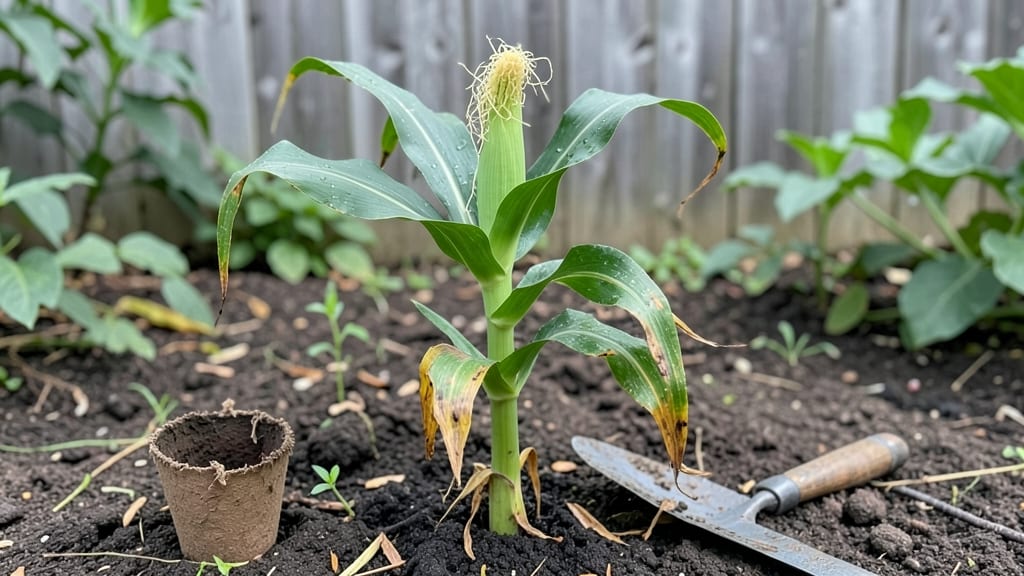
Planting sweet corn in your garden means golden ears of tender, buttery kernels—if you get the spacing right. 🌽 I learned the hard way that cramming plants too close leads to stunted stalks and poor pollination, while rows that are too wide waste space.
The secret lies in that sweet spot between 12 and 18 inches between plants, with rows spaced 2 to 3 feet apart.
Start with well-draining soil rich in organic matter, worked to a depth of 12 inches. Sweet corn thrives in full sun, so pick a spot that gets at least 6 hours of sunlight daily.
Varieties like 'Silver Queen' or 'Ambrosia' are beginner-friendly and adapt well to most climates, while 'Peaches and Cream' delivers extra-sweet kernels. Plant seeds 1 to 1.5 inches deep, 4 to 6 weeks after your last frost date.
After germination, thin seedlings to maintain proper spacing—this might seem cruel, but it ensures stronger stalks and better yields. Keep soil consistently moist but not soggy, especially during tasseling and silking.
A light mulch helps retain moisture and suppress weeds, while a balanced fertilizer applied at planting and again when stalks reach knee height keeps plants vigorous.
Watch for common mistakes like overcrowding, uneven watering, or ignoring pollination cues (like silks drying out). With the right spacing and care, you'll harvest ears in about 70 to 90 days, each packed with flavor.
The key is patience—don’t rush the process, and you’ll reward yourself with a garden full of sweet, juicy corn.
📚 In This Guide
- What you need
- Instructions
- Tips and common mistakes
- Wrapping up and next steps
What you need
- ● Sweet corn seeds: Choose a variety suited to your climate (e.g., Silver Queen or Ambrosia). Aim for 1–2 lbs of seed (about 1,000–2,000 seeds) for a 500 sq ft garden.
- ● Garden soil: Well-draining, fertile soil with a pH of 6.0–6.8. Amend with compost if needed.
- ● Fertilizer: A balanced 10-10-10 or organic compost (like aged manure) to enrich the soil.
- ● Watering can or hose: With a gentle spray nozzle for even moisture.
- ○ Garden twine or string: For marking rows (optional but helpful!).
- ● Row marker stakes: Wooden or plastic stakes (about 12–18 inches tall).
- ● Mulch (straw or grass clippings) to retain moisture and suppress weeds.
- ● Plant supports (like small cages or stakes) if your corn variety is tall.
- ● Corn gluten meal (natural pre-emergent weed killer).
- ● Hand pruners for trimming excess foliage.
- ● Row cover fabric to protect seedlings from pests or frost.
Step-by-step instructions for planting sweet corn in garden
Sweet corn thrives when planted with precision—here’s how to get it right.
🌱 Step 1: Prepare the Soil and Planting Site
Choose a location with full sun (at least 6-8 hours daily) and well-draining soil. Corn loves rich, slightly acidic soil with a pH between 6.0 and 6.8. Before planting, loosen the top 12 inches of soil with a garden fork or tiller to improve root penetration and aeration.
Remove any weeds or debris from the area—corn is heavy feeders and won’t compete well with other plants. If your soil is heavy clay or sandy, mix in 2-3 inches of compost to improve fertility and moisture retention. Corn roots need space to spread, so avoid planting in areas where the soil was recently disturbed by other crops like potatoes or tomatoes, which can introduce pests.
🌱 Step 2: Plant Seeds at the Right Depth and Spacing
Plant seeds 1 inch deep and 4-6 inches apart in rows. For 4 rows, space them 2-3 feet apart to allow easy access for weeding and harvesting. Corn thrives when planted in blocks rather than single rows—this encourages better pollination and stronger stalks. If you’re planting 4 plants, arrange them in a 2x2 square for optimal yield.
Drop 2-3 seeds per hill (a small mound of soil) and cover lightly with soil. Press gently to ensure good seed-to-soil contact. Water immediately after planting to settle the soil and provide moisture for germination. Corn seeds germinate best in soil temperatures between 60-85°F—plant after the last frost when the ground is warm.
💧 Step 3: Water and Maintain Consistent Moisture
Keep the soil evenly moist but not soggy during germination, which takes 7-14 days. Once seedlings emerge, water 1-2 inches per week, focusing on the base of the plants to avoid wetting the leaves (this reduces fungal diseases like rust). Use a soaker hose or drip irrigation for deep, even watering—corn roots grow 3-4 feet deep, so surface watering won’t reach them.
Mulch around the base with 2-3 inches of straw or grass clippings to retain moisture and suppress weeds. Avoid mulching too close to the stalks, as corn needs airflow to prevent rot. You’ll know your corn is thriving when the leaves are deep green and upright, with no yellowing or wilting.
✂️ Step 4: Monitor for Pests and Fertility Needs
Corn is susceptible to corn earworms, aphids, and raccoons (yes, really!). Check plants weekly for signs of damage, like chewed leaves or silks. If you spot pests, use neem oil or insecticidal soap for organic control. For raccoons, harvest ears promptly or use row covers when silks appear.
Side-dress with compost or a balanced fertilizer (10-10-10) when plants reach 12 inches tall to support ear development. Avoid over-fertilizing with nitrogen—too much leads to lush foliage but few ears. You’ll know it’s working when the tassels (top pollen-producing branches) emerge and the silks (threads) appear—this is when pollination begins.
⏰ Step 5: Harvest at Peak Sweetness
Sweet corn is ready to harvest 18-22 days after silks appear, when the husks pull back easily and the kernels are plump and milky white when pierced with a fingernail. Harvest on a cool morning for the best flavor. Use a sharp knife to cut stalks 6-8 inches above the ground—this leaves room for regrowth if you’re saving seeds.
Store harvested ears in the fridge for 3-5 days or blanch and freeze for long-term use. If you miss the window, corn turns starchy and loses sweetness quickly. For continuous harvests, plant successive crops every 2 weeks—this ensures a steady supply all season long.
Tips & tricks for perfect sweet corn planting
Here's what I've learned from years of growing sweet corn—and how to avoid the mistakes that ruin harvests.
The Heat Factor: Plant only when soil temperatures consistently reach 60-85°F—this is critical for germination. I always test with a soil thermometer in the morning; if it's below 60°F, wait. Cold soil delays sprouting and can cause uneven growth. Trust me on this: rushing planting because of an early frost date leads to patchy stands.
Row Spacing Secret: The 2-3 feet between rows isn't just about access—it creates airflow that prevents fungal diseases. I've seen corn planted too closely develop rust spots that ruin entire ears. For 4 plants, that 2x2 square arrangement also maximizes pollination by bringing tassels close together. Pro tip: Use a string and stakes to mark your rows before planting for perfect spacing.
Watering Wisdom: Those 1-2 inches per week should go deep, not just at the surface. I use a soaker hose buried 2 inches below soil level to deliver water directly to the roots where they need it most. Shallow watering encourages shallow roots that can't support tall stalks. And never water the leaves—this is how corn rust gets started.
Harvest Timing: The 18-22 days after silks appear window is tight—wait too long and you'll get tough, starchy kernels. I test by pulling back the husks and checking for milky white liquid when I pierce a kernel. Harvest in the morning when sugars are highest, and always cut stalks 6-8 inches above ground to leave room for regrowth if you're saving seeds.
Pro Tips for Planting Sweet Corn In Garden
- Here's what I've learned from years of growing sweet corn—and how to avoid the mistakes that ruin harvests.
- The Heat Factor: Plant only when soil temperatures consistently reach 60-85°F—this is critical for germination.
- Row Spacing Secret: The 2-3 feet between rows isn't just about access—it creates airflow that prevents fungal diseases.
Frequently asked questions
Got questions about growing sweet corn? Here are answers to the most common concerns—from timing to troubleshooting—so you can grow a golden harvest with confidence!
When is the best time to plant sweet corn?
Sweet corn thrives in warm soil, so wait until after the last frost when soil temps hit 60°F (15°C). For most regions, this means late spring (April–June). If your growing season is short, opt for early-maturing varieties (50–60 days) to avoid frost damage.
How far apart should I space corn rows and plants?
Corn loves space! Plant rows 24–36 inches apart and space plants 8–12 inches apart in the row. For bush varieties, tighter spacing (8 inches) works, while pole types need more room (12 inches) to support tall stalks. Pro tip: Use a grid layout for even sunlight exposure.
What are the most common pests for sweet corn, and how do I prevent them?
Watch for corn earworms, cutworms, and corn rootworms. Prevent pests by:
- Using row covers early in the season.
- Planting resistant varieties (check seed packets).
- Rotating crops yearly to break pest cycles.
- Handpicking cutworms at night (they’re active then!).
How long does it take for sweet corn to grow?
Most sweet corn varieties mature in 60–100 days, depending on the type:
- Extra-sweet (e.g., ‘Silver Queen’): 60–75 days.
- Standard sweet (e.g., ‘Peaches and Cream’): 75–90 days.
- Super sweet (e.g., ‘Ambrosia’): 80–100 days.
Check seed packets for exact days and plant successive batches every 2 weeks for continuous harvests!
Can I grow sweet corn in containers or small spaces?
Yes! Use large pots (at least 12–18 inches deep) or fabric grow bags for bush varieties. Choose compact or dwarf types like ‘Jubilee’ or ‘Golden Bantam.’ Place containers in full sun (6+ hours/day) and fertilize regularly. Note: Pollination may be trickier—plant at least two stalks for cross-pollination.
Why isn’t my sweet corn sweet?
If your corn tastes starchy or mealy, it’s likely overripe or not harvested at the right time. Pick ears when:
- Silks turn brown (not white).
- Kernels are plump and milky (press a kernel—it should ooze liquid).
- Ears feel heavy for their size.
Also, ensure you’re growing a sweet corn variety (not field corn) and harvesting within 2–3 days of silk browning.
Wrapping up and next steps
Growing sweet corn in your garden is a rewarding experience—just remember, proper row spacing is the secret to plump, juicy ears! 🌽 With the right soil prep, timing, and care, you’ll soon be harvesting ears that taste fresher than anything from the store.
Now that you’re armed with these tips, why not expand your garden or try a new variety next season?
Ready to dive in? Start by sketching your garden layout or grab your seeds today—your future corn cobb salad awaits! 🌱