
Watering
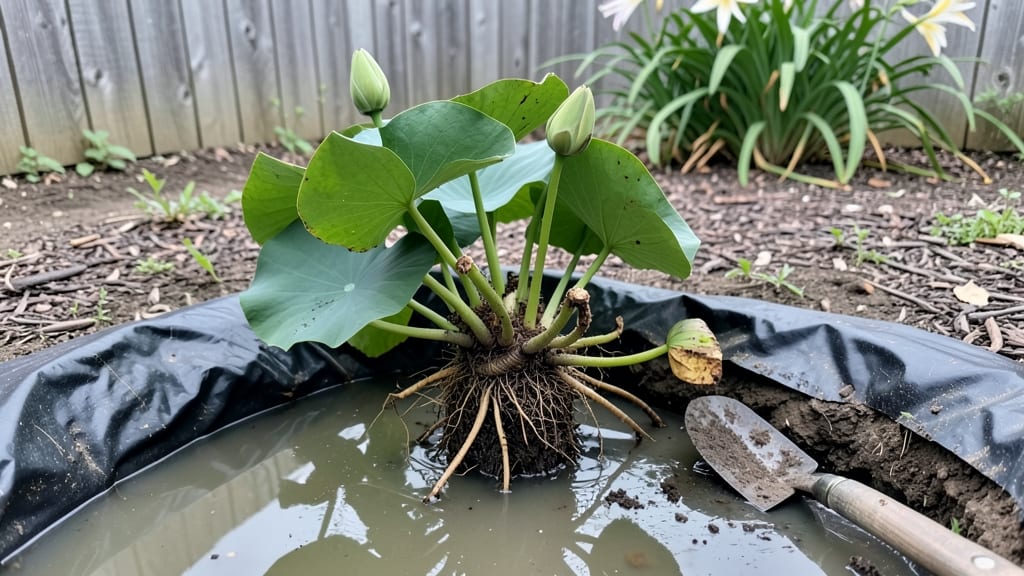
Planting lily pads transforms a stagnant pond into a living, breathing water feature that hums with life. 🌿 I’ve watched my own backyard pond go from a muddy puddle to a shimmering jewel-toned oasis—all because I finally understood how to plant these aquatic stars right.
The secret isn’t just dropping them in water; it’s about matching the right variety to your climate, prepping the soil just so, and giving them the sunlight they crave.
You’ll need 3-4 inches of nutrient-rich pond muck (or a heavy clay pot for container planting), water depths between 12 and 24 inches, and 6+ hours of direct sun daily.
Tropical lilies love warmth and need winter protection, while hardy varieties like the yellow Nuphar lutea tough it out through frost. The first few weeks are critical—patience here means lush pads spreading across the water’s surface by midsummer.
By late June, you’ll see those velvety green pads unfurling like nature’s own floating carpet, with blooms rising above the water like golden lanterns. The water stays cooler, mosquitoes disappear, and your pond becomes a magnet for dragonflies and butterflies.
Even if your first attempt doesn’t go perfectly, I’ll show you how to troubleshoot floating pads or slow growth—because every pond deserves this kind of magic.
Works in backyard ponds, koi ponds, or even large containers—just adjust the water depth and variety to your zone. Let’s turn that water into a garden.
📚 In This Guide
- What you need
- Instructions
- Tips and common mistakes
- Wrapping up and next steps
What you need
- ● Lily pads (water lettuce, water hyacinth, or true lily pads) – Quantity depends on pond size (aim for 1-2 pads per square foot for coverage)
- ● Pond or container – Minimum depth of 6-12 inches (deeper for true lilies)
- ● Potting soil or aquatic planting mix – 1-2 gallons (lightweight, nutrient-rich blend for water plants)
- ● Small pots or mesh plant baskets – 3-6 inches in diameter (with drainage holes)
- ○ Water plants (optional but recommended) – Submerged plants like anacharis or hornwort to support the ecosystem
- ● Gloves and long sleeves – To protect your hands from sharp edges or pond debris
- ○ Pond-safe fertilizer (optional) – Slow-release tablets or liquid for nutrient boosts
- ● Floating plant trays or rafts – For organizing larger setups (e.g., water lettuce)
- ● Pond dye or barley straw – To reduce algae and keep water clear
- ● Decorative rocks or pebbles – For aesthetic touches around the pond edges
- ● Water quality test kit – To monitor pH and nutrients for healthy growth
- ● Pond net or skimmer – For easy maintenance and debris removal
Step-by-Step instructions for planting lily pads
Here's how to transform your pond into a serene aquatic garden—no technical skills required.
🌱 Step 1: Prepare the Water Body
Choose a pond or container with at least 12 inches of water depth—lily pads need space to root and float freely. I always test the water first: if it's murky or has fish, wait until spring when temperatures stabilize at 60-70°F. This ensures your plants won't shock from sudden temperature swings.
Clear any debris from the water's surface and edges. A layer of 1-2 inches of fine gravel around the perimeter prevents erosion and gives roots something to anchor into lightly. Avoid stirring up sediment—this can cloud the water and stress young plants. If your pond has existing aquatic plants, space new lily pads 18-24 inches apart to prevent overcrowding.
💧 Step 2: Acclimate the Lily Pads
Before planting, float the lily pads in their container for 24-48 hours in a shaded spot. This helps them adjust to the pond's temperature and light conditions. I like to place them in a tub of pond water to mimic their future environment. Watch for any signs of stress—drooping leaves or discoloration means they need more time.
Once acclimated, gently remove the plants from their container. If they arrived with root balls, untangle them carefully but don't force separation. Submerge the root balls 2-3 inches below the water's surface—this depth encourages strong root growth without drowning the plant. Avoid planting in direct sunlight during this step; early afternoon shade prevents leaf burn.
☀️ Step 3: Position and Secure the Plants
Place the lily pads where they'll receive 6-8 hours of sunlight daily, but avoid areas with intense afternoon sun if your climate runs hot. I position mine slightly offset from the pond's center to create a natural, layered look. Use floating plant anchors (if available) to hold them in place until roots establish—these are especially helpful in windy ponds.
If your pond lacks anchors, secure the plants temporarily with monofilament line tied loosely to submerged rocks. The line should be just tight enough to prevent drifting but loose enough to allow natural movement. Within 2-3 weeks, roots will anchor firmly, and you can remove any temporary supports. Avoid using metal or wire, which can corrode and harm the plants.
🌿 Step 4: Maintain Water Quality and Growth
Lily pads thrive in still or gently moving water, so avoid areas with strong currents. Monitor the water for algae blooms—these can indicate excess nutrients. If needed, add a barley straw (natural algae inhibitor) to the pond. I also top off the water as needed, using dechlorinated water to protect the plants. Never use tap water directly; let it sit for 48 hours or treat it with a water conditioner first.
Fertilize lightly in early spring with a slow-release aquatic plant tablet, placed near the roots but not touching them. Over-fertilizing leads to rapid leaf growth at the expense of flowers. You'll know your plants are happy when they produce 3-5 large, vibrant leaves and begin sending up flower stalks by midsummer. Watch for pests like aphids or snails—remove them by hand or treat with neem oil if they appear.
⏰ Step 5: Overwintering and Long-Term Care
In colder climates, lily pads go dormant as temperatures drop below 50°F. I leave them in the pond but avoid fertilizing or pruning during this time. If your pond freezes completely, the plants will survive beneath the ice. In areas with hard freezes, consider partially covering the pond with a floating insulation board to protect roots.
Come spring, remove any dead leaves or debris to encourage new growth. Divide mature plants every 3-4 years to prevent overcrowding—simply lift them, separate the root balls, and replant. With proper care, your lily pads will multiply naturally, creating a lush, self-sustaining aquatic garden that attracts pollinators and adds tranquility to your space.
Tips & tricks for planting lily pads
Creating the perfect aquatic garden starts with these essential tips that'll help your lily pads thrive from day one.
Timing is Everything: The 24-48 hour acclimation period in Step 2 is non-negotiable for tropical lily pads. This gradual transition mimics natural conditions and prevents shock from temperature changes. I've seen plants wilt dramatically when rushed—trust me, patience pays off. Place your tub of water near where you'll plant them so they experience similar light conditions during this adjustment phase.
Root Placement Precision: When submerging those root balls in Step 2, aim for exactly 2-3 inches below the surface. This depth creates the ideal balance—roots get enough oxygen while staying anchored. I use a clear ruler to measure depth, especially in deeper ponds. Too shallow and roots suffocate; too deep and leaves won't reach sunlight. The 2-3 inch range is your sweet spot for healthy growth.
Sunlight Strategy: The 6-8 hours of daily sunlight in Step 3 is crucial, but location matters just as much. Position your lily pads where they'll receive morning sun and afternoon shade if your climate runs hot. I've learned this the hard way—afternoon sun can scorch leaves in summer, turning them crispy at the edges. Watch your plants' response in the first week and adjust their position if you notice leaf burn.
Long-Term Maintenance: That 3-4 year division schedule in Step 5 is perfect for preventing overcrowding. I mark my calendar every spring to remind myself—when plants start competing for sunlight, they produce fewer flowers. The key is to divide when you see new shoots emerging from the root crown. This ensures each new planting has the energy to establish strong roots and vibrant foliage.
Pro Tips for Planting Lily Pads
- Creating the perfect aquatic garden starts with these essential tips that'll help your lily pads thrive from day one.
- Timing is Everything: The 24-48 hour acclimation period in Step 2 is non-negotiable for tropical lily pads.
- Root Placement Precision: When submerging those root balls in Step 2, aim for exactly 2-3 inches below the surface.
Frequently asked questions
Got questions about transforming your pond into a lily pad paradise? Here are some of the most common ones—and their answers—to help you get started with confidence!
How deep should the water be for planting lily pads?
Lily pads thrive in 6 to 12 inches of water for most varieties. Shallow water (3–6 inches) suits hardy types like Nymphaea odorata, while deeper water (12+ inches) works for tropical species like Victoria amazonica. Always check the specific needs of your chosen lily pad type!
When is the best time to plant lily pads?
The ideal window is spring or early summer (after the last frost but before extreme heat). This gives roots time to establish before winter. Avoid planting in fall—they may not survive freezing temps. If you must plant later, use container-grown pads for faster adaptation.
Do lily pads need special water conditions?
Yes! They prefer still or slow-moving water with partial sun (4–6 hours daily). Avoid stagnant water—add a small pump or aerator if needed. Test water pH (ideal: 6.5–7.5) and fertility (low to moderate nutrients). Over-fertilized water can harm roots.
Can I grow lily pads in containers instead of a pond?
Use a 10+ gallon container with drainage holes, filled with aquatic soil. Place it in your pond or a large tub with water. Containers let you control water depth and move plants if needed. Just ensure the container stays submerged or partially submerged for best results.
Why aren’t my lily pads growing after planting?
Common culprits include poor water quality, insufficient sunlight, or root damage during planting. Check for algae (sign of excess nutrients) or pests (like snails). If leaves yellow, adjust water depth or add a pond clarifier. Patience is key—some varieties take 2–3 years to fully mature!
Wrapping up and next steps
Planting lily pads is a rewarding way to transform your pond into a serene, floating garden oasis! 🌿 With the right location, preparation, and care, you’ll enjoy their beauty and benefits for years.
Whether you’re a beginner or a seasoned gardener, every step—from choosing healthy pads to ensuring proper sunlight—makes a difference.
Now that you’re ready, take the next step: watch your pond flourish! Start small, monitor growth, and soon, your water feature will be a stunning, self-sustaining ecosystem. Happy planting—your pond’s new green canopy awaits! 💧✨