
How To
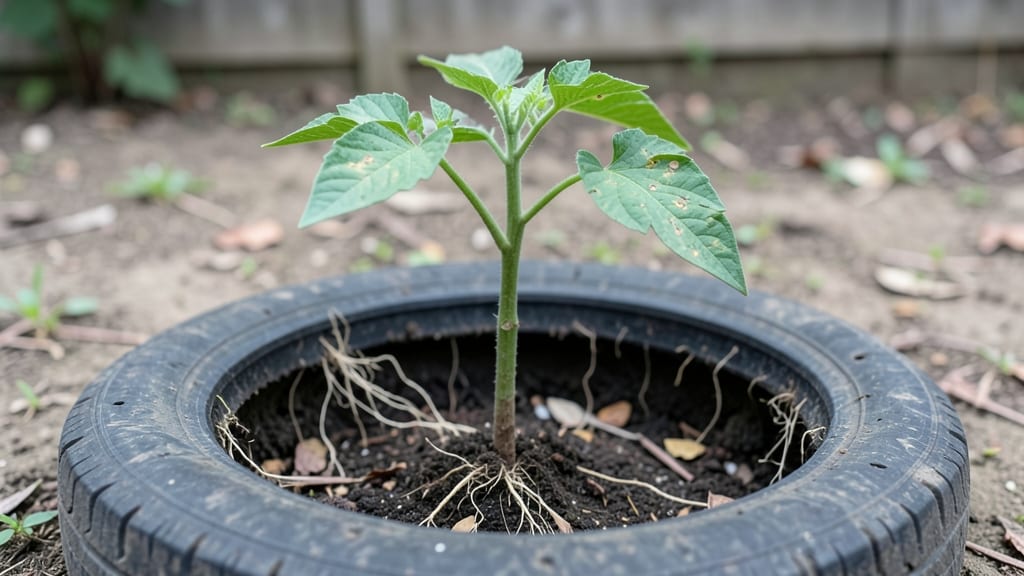
Planting in tires turns old rubber into a vertical garden that saves space and gives your small yard a fresh, productive look. 🌱 I started with a pile of worn-out tires from my garage and turned them into a thriving herb garden that fits perfectly against my fence.
The best part? No digging, no weeding, and a system that works even in tight corners where traditional beds fail.
You’ll need clean, dry tires, some basic tools like a drill and scissors, and a mix of potting soil and compost. I line mine with landscape fabric to prevent soil loss, then drill drainage holes at the bottom—this keeps roots healthy and water flowing right where it’s needed.
Herbs like basil and thyme, or compact veggies such as lettuce and radishes, grow beautifully in these containers, and the vertical setup maximizes every inch of space.
Watering is the key to success—these containers dry out faster than ground beds, so check them every other day. Within weeks, you’ll see lush green growth climbing the tire walls, and the aroma of fresh herbs wafting through your yard will make neighbors stop and ask questions.
The best part? You’re giving old tires a second life instead of letting them sit in a landfill.
If you’re worried about safety, stick to food-grade tires (like those from cars, not industrial equipment) and avoid painting them with toxic materials.
A little creativity with paint or mosaic tiles can turn your garden into a statement piece, and the modular design means you can expand or rearrange as your plants grow. Ready to turn trash into a thriving garden?
📚 In This Guide
- What you need
- Instructions
- Tips and common mistakes
- Wrapping up and next steps
What you need
- ● Tires: 3–5 used tires (clean, free of cracks, and in good condition). Pro tip: 💡 Check local auto shops or recycling centers for free or low-cost options!
- ● Drill: A power drill with ½-inch or ¾-inch drill bit (for drainage holes).
- ● Potting Soil: 1–2 bags (2–3 cubic feet each) of high-quality, well-draining potting mix (avoid garden soil—it compacts!).
- ● Plants: Choose compact, shallow-rooted varieties like herbs (basil, thyme), succulents, lettuce, or strawberries. Pro tip: ✨ Start with 3–5 plants per tire for balanced growth!
- ● Watering Can or Hose: With a gentle spray nozzle to avoid displacing soil.
- ○ Screws or Hooks (optional but helpful): 4–6 heavy-duty screws (2–3 inches long) or L-brackets to mount tires to a wall or fence.
- ● Landscape Fabric: Line the bottom of stacked tires to prevent soil from spilling.
- ● Mulch or Gravel: Add a 1-inch layer at the bottom for extra drainage.
- ● Paint or Stencils: Decorate tires with non-toxic paint for a pop of color!
- ● Trellis or Twine: For climbing plants like beans or cucumbers.
- ● Plant Markers: DIY with popsicle sticks or buy reusable labels.
Step-by-step guide to planting in upcycled tires
Transform old tires into a stylish, space-saving vertical garden with this simple method.
🪴 Step 1: Prepare the Tires for Planting
Start by cleaning the tires thoroughly with soap and water to remove any dirt, grease, or debris. I like to use a stiff brush to scrub the inside and outside surfaces—this prevents mold and ensures a clean growing environment. Let them dry completely in the sun before moving on.
Next, cut the tires open along the outer edge using a sharp utility knife or saw. You’ll want to create a clean, even opening about 3-4 inches wide at the top. This size works perfectly for most small plants while allowing easy access for planting and maintenance. Wear gloves and safety glasses during this step—old tires can have sharp edges.
💧 Step 2: Add Drainage and Soil
Place a layer of small rocks or broken pottery pieces at the bottom of each tire to create drainage. This prevents water from pooling at the roots, which can cause rot. I use about 1 inch of drainage material—just enough to cover the bottom but not so much that it takes up too much space for soil.
Fill the tires with the potting mix you’ve chosen, leaving about 1-2 inches of space at the top. Press the soil down lightly to remove air pockets, but don’t compact it too tightly—roots need room to grow. If you’re planting multiple tires, use the same amount of soil in each to keep conditions consistent.
☀️ Step 3: Plant Your Choices
Select plants that thrive in containers and have similar watering needs. Herbs like basil or thyme, small vegetables like lettuce, or even flowers like marigolds work beautifully. Dig a hole in the soil that’s just slightly larger than the root ball of your plant, then place it in gently and cover the roots with soil.
Space your plants according to their mature size—usually 6-12 inches apart, depending on the variety. Water each tire thoroughly after planting to help the soil settle around the roots. You’ll know it’s done right when water drains out the bottom without soaking the ground below.
🌿 Step 4: Position and Maintain Your Vertical Garden
Place your tire garden in a spot that gets the right amount of sunlight for your plants. Most vegetables and herbs need at least 6 hours of sun daily, while shade-loving plants like parsley can handle partial shade. If you’re using a wall mount, make sure it’s secure and can support the weight of the tires when watered.
Water your tire garden regularly, checking the soil every 2-3 days to ensure it’s moist but not soggy. Tires dry out faster than ground soil, so you may need to water more frequently, especially in hot weather. A drip irrigation system or watering can with a narrow spout makes this easier.
⏰ Step 5: Fertilize and Monitor Growth
After your plants establish themselves—usually within 2-3 weeks—start fertilizing with a balanced, water-soluble fertilizer every 4-6 weeks. Follow the package instructions for dilution, but I’ve found that half-strength works well for container gardens. This keeps your plants healthy without overloading them with nutrients.
Keep an eye out for pests like aphids or spider mites, which can be more noticeable in containers. If you spot any, treat them early with insecticidal soap or neem oil. With proper care, your tire garden will thrive, giving you fresh produce or beautiful flowers in a fraction of the space.
Tips & tricks for perfect vertical tire gardens
These little tricks will help you transform those old tires into a thriving vertical garden that actually works—no more guesswork, just lush greenery.
Drainage is Everything: That 1-inch layer of rocks or broken pottery isn't just decoration—it's your plant's lifeline. If you skip this step, roots will suffocate in soggy soil. For extra insurance, add a small hole in the bottom of the tire if you're worried about water pooling. I've seen roots rot when people skip this, and nobody wants a sad, waterlogged garden.
Soil Depth Matters: Leaving 1-2 inches at the top might seem like a small detail, but it prevents overflow when you water. Plus, it gives you room to add more soil later if your plants grow taller than expected. Don't pack the soil too tightly—roots need air to breathe! A loose, fluffy texture mimics natural soil conditions and helps prevent compaction.
Plant Pairing Secrets: Group plants with similar water needs together in the same tire. For example, basil and lettuce thrive with frequent watering, while rosemary and thyme prefer to dry out between waterings. This 6-12 inch spacing isn't arbitrary—it's based on mature plant sizes. Crowding leads to competition for nutrients, while too much space wastes your limited tire real estate.
Sunlight Strategy: That 6 hours of sunlight isn't just a suggestion—it's the difference between thriving herbs and sad, leggy seedlings. If your yard gets less sun, choose shade-tolerant plants like parsley or Swiss chard. For maximum efficiency, position your tires to catch morning sun (cooler) and afternoon shade if needed. A south-facing wall works best in northern hemispheres.
Pro Tips for Planting In Tires
- These little tricks will help you transform those old tires into a thriving vertical garden that actually works—no more guesswork, just lush greenery.
- Drainage is Everything: That 1-inch layer of rocks or broken pottery isn't just decoration—it's your plant's lifeline.
- Soil Depth Matters: Leaving 1-2 inches at the top might seem like a small detail, but it prevents overflow when you water.
Frequently asked questions
Got questions about turning old tires into a thriving vertical garden? Here are some of the most common ones—and their answers—to help you get started with confidence!
What’s the best time of year to plant in upcycled tires?
Plant in spring or early summer when soil temperatures are warm (above 60°F) and frost isn’t a concern. For cooler climates, start seeds indoors in late winter and transplant later. Avoid planting in fall unless your region has a long growing season—tires can retain too much moisture, risking root rot.
Do I need special soil for tire gardening?
Yes! Use a lightweight, well-draining potting mix (avoid garden soil—it compacts and holds too much water). Mix in perlite or vermiculite (10-20%) to improve aeration. For extra nutrients, add a slow-release fertilizer or compost at planting time. Pro tip: Drill drainage holes in the bottom of the tire if none exist!
Can I grow vegetables in tires, or are they just for flowers?
Tires work great for shallow-rooted veggies like lettuce, herbs (basil, mint), radishes, green onions, and cherry tomatoes. Avoid deep-rooted plants (like carrots or potatoes) unless you stack tires vertically. For best results, choose compact varieties bred for containers.
What should I do if my plants wilt or look unhealthy?
Wilting often means overwatering or poor drainage. Check the soil—it should stay evenly moist but not soggy. If roots are circling the tire’s edge, it’s time to repot into a larger container. Yellow leaves? Too much water; brown edges? Underwatering or salt buildup (flush with rainwater). Pro tip: Elevate tires on a stand to prevent water pooling.
What are some creative alternatives if I don’t have old tires?
No tires? No problem! Try these space-saving upcycling ideas:
- Plastic containers: Buckets, milk jugs, or even old gutters (drill holes for drainage).
- Pallet gardens: Stack wooden pallets vertically and fill with soil.
- Hanging planters: Use repurposed baskets or fabric grow bags for herbs and strawberries.
- Wall-mounted pockets: Fabric or felt pockets (like Kokusai planters) attach to fences or walls.
Just ensure any alternative has proper drainage and support for your plants!
Wrapping up and next steps
Planting in upcycled tires is a creative, eco-friendly way to maximize your small yard’s potential—no green thumb required! 🌱 Whether you’re growing veggies, herbs, or flowers, these vertical gardens save space, reduce waste, and add a fun, customizable touch to your outdoor space.
Start small, experiment with what thrives, and watch your green space grow—literally and figuratively.
Ready to dive in? Grab a spare tire, a few plants, and get creative! Try adding a second tier or mixing colors for a vibrant look. Your future garden awaits—what will you plant first? 🌿