Flowers
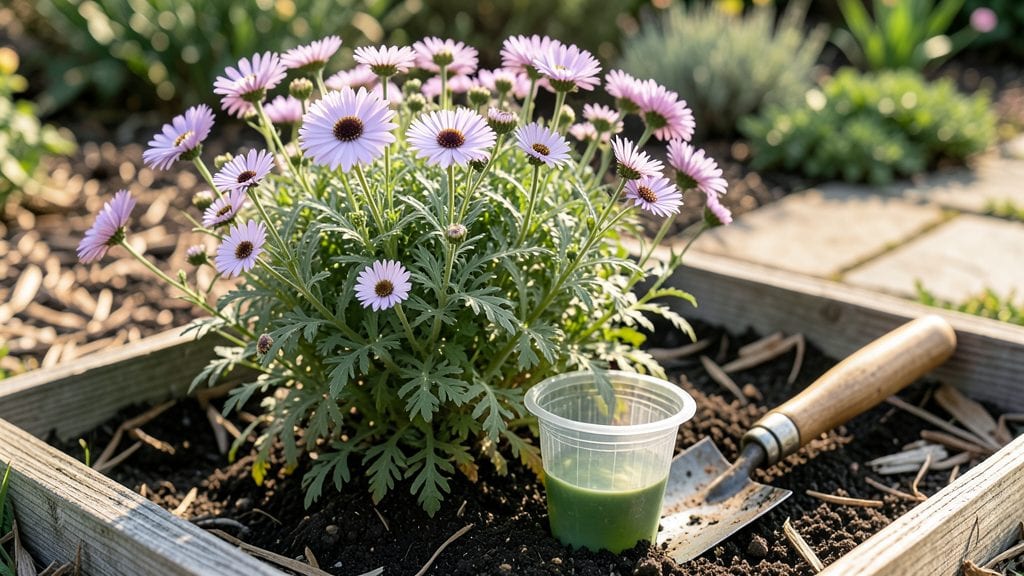
Planting African daisies transforms bare patches into sunlit bursts of color that keep blooming until frost. 🌻 I’ve planted these cheerful annuals in everything from sunny borders to container gardens, and they never fail to deliver—just give them good drainage and full sun.
The secret lies in the soil prep: loose, well-draining mixes prevent those pesky yellow leaves that ruin the show.
Start with young plants from a nursery in late spring after the last frost, or sow seeds indoors 6-8 weeks before your last frost date. Dig holes twice as wide as the root ball but only as deep—set them too low, and they’ll rot.
Space them 12-18 inches apart for a full, bushy look that stops deer and rabbits in their tracks.
Water deeply once planted, then let the soil dry slightly between waterings—these daisies hate soggy feet. Within weeks, you’ll see those signature daisy faces popping up, and by early summer, they’ll be covered in blooms that last until fall.
The key? Deadhead spent flowers to keep the show going all season.
Works in zones 7-11, though they’ll self-seed prolifically in warm climates. For cooler areas, treat them as annuals and replant each spring. Once you’ve tried them, you’ll wonder how you ever lived without these sun-loving stars in your garden.
📚 In This Guide
- What you need
- Instructions
- Tips and common mistakes
- Wrapping up and next steps
What you need
- ● African daisy seeds or seedlings: Choose from varieties like Osteospermum 'Blue Danube' or 'Pink Velvet'. Buy 5–10 plants for a small garden or 20+ for full coverage.
- ● Well-draining potting mix or garden soil: African daisies hate soggy roots! Use a blend with perlite or sand (e.g., 60% potting soil + 40% perlite). 5–10 gallons per plant.
- ● Containers or garden bed: Containers: Pots with drainage holes (minimum 6–8 inches deep and 12 inches wide per plant). Terracotta or fabric pots work best.
- ● Garden bed: Full sun (6+ hours/day) and loamy, well-amended soil (pH 6.0–7.0). Space plants 12–18 inches apart.
- ● Slow-release fertilizer: A balanced 10-10-10 or low-nitrogen 5-10-10 blend (follow package rates). 1–2 tbsp per plant at planting.
- ● Watering can or hose with gentle spray nozzle: African daisies need consistent moisture but hate waterlogged roots.
- ● Garden trowel or transplanting spade: For digging holes or repotting.
- ● Pruning shears: To trim dead blooms and encourage new growth (sharp, sterilized blades only!).
- ○ Gloves (optional): Protect your hands from thorns (some varieties have them!) or soil.
- ○ Mulch (optional but helpful): 2–3 inches of organic mulch (e.g., straw or pine bark) to retain moisture and suppress weeds.
- ● Sunlight: A south-facing spot with 6+ hours of direct sun daily (they’ll sulk in shade!).
- ● Climate check: African daisies thrive in USDA zones 8–11. In cooler zones, grow them as annuals or overwinter indoors.
- ● Patience: Seeds take 10–14 days to germinate; seedlings bloom in 8–12 weeks.
Step-by-step instructions for planting African daisies
Here's how to get vibrant African daisies blooming in your garden with minimal fuss.
🌱 Step 1: Choose the Right Location and Prepare the Soil
African daisies love full sun—at least 6-8 hours daily. Scan your yard for the sunniest spot, preferably where they'll get afternoon light. These plants tolerate heat and drought once established, so avoid low-lying areas where cold air settles.
Work in 2-3 inches of compost into the top 6 inches of soil to improve drainage. African daisies hate soggy roots, so if your soil feels heavy or stays wet after rain, mix in 1 part perlite or coarse sand per 3 parts soil. Loosen the soil to a depth of 12 inches to encourage deep root growth.
🪴 Step 2: Plant at the Correct Depth and Spacing
Dig holes twice as wide as the root ball but only as deep as the container—planting too deep suffocates the roots. Gently remove the plant from its container and tease apart any circling roots with your fingers. This prevents girdling as the plant matures.
Space plants 18-24 inches apart for single-stem varieties or 12-18 inches apart if you're planting a bushier cultivar. Fill the hole with soil, pressing lightly around the edges to eliminate air pockets. Water immediately after planting to settle the soil and encourage root contact.
☀️ Step 3: Water Deeply and Mulch for Retention
Water each newly planted daisy with 1 gallon of water to help roots establish. You'll know it's enough when water runs out the bottom of the hole—this ensures thorough moisture penetration. After watering, apply 2-3 inches of mulch around each plant, keeping it 2 inches away from the stem to prevent rot.
Use organic mulch like shredded bark or straw. This conserves moisture, regulates soil temperature, and suppresses weeds—all while breaking down slowly to feed your plants. Check soil moisture weekly by sticking your finger 1 inch deep. Water again when it feels dry to the touch, but avoid wetting the foliage to prevent fungal diseases.
✂️ Step 4: Fertilize and Encourage Blooms
Wait 4-6 weeks after planting before fertilizing. Once established, use a balanced, slow-release fertilizer (10-10-10 ratio) applied in early spring and again after the first flush of blooms. African daisies respond well to a light feeding but don't overdo it—too much nitrogen promotes leafy growth at the expense of flowers.
Deadhead spent blooms by pinching off the faded flower heads with your fingers or clean pruners. This redirects the plant's energy into producing more flowers instead of setting seed. Prune back leggy stems in early spring to encourage bushier growth and prevent flopping later in the season.
🌿 Step 5: Monitor for Pests and Adjust Care Seasonally
African daisies are generally pest-resistant, but watch for aphids or spider mites, which thrive in dry conditions. Spray plants with a strong stream of water to dislodge pests, or treat with neem oil if infestations persist. These plants also attract beneficial insects like ladybugs, which help control pests naturally.
In winter, reduce watering to once every 2-3 weeks unless you experience prolonged dry spells. Cut back dead foliage in late winter to make room for new growth. With proper care, your African daisies will reward you with continuous blooms from early summer through fall.
Tips & tricks for perfect African daisy planting
Here's what I've learned after watching African daisies thrive in my own garden—these simple tricks make all the difference between wilting plants and showstopping blooms.
The Sunlight Secret: While African daisies tolerate heat, they need that 6-8 hours of direct sunlight daily—and afternoon sun is key. I've learned the hard way that morning-only sun leads to leggy, weak plants. If your yard has limited sun, consider planting near a south-facing wall or fence that reflects light back onto them. Trust me, the difference in bloom production is night and day!
Root Ball Rescue: When removing African daisies from their containers, I always tease apart any circling roots with my fingers. This prevents girdling—a common issue where roots grow in tight circles and strangle the plant as it matures. If you notice roots growing in a spiral pattern, gently prune them before planting to encourage outward growth.
Watering Wisdom: That initial 1 gallon of water per plant is crucial, but don't assume it's enough forever. I've found African daisies establish deeper roots when watered deeply but infrequently. After the first week, let the top 1 inch of soil dry out between waterings. This encourages roots to grow downward where moisture is more stable, making your plants more drought-resistant.
Mulch Magic: Don't skimp on the 2-3 inches of mulch—this isn't just about looks. Organic mulch like shredded bark creates a microclimate that keeps roots cool in summer and insulated in winter. I always keep it 2 inches away from stems to prevent rot, but I've seen many gardeners make this mistake. Also, refresh your mulch annually as it breaks down.
Pro Tips for African Daisy Planting
- Here's what I've learned after watching African daisies thrive in my own garden—these simple tricks make all the difference between wilting plants and showstopping blooms.
- The Sunlight Secret: While African daisies tolerate heat, they need that 6-8 hours of direct sunlight daily—and afternoon sun is key.
- Root Ball Rescue: When removing African daisies from their containers, I always tease apart any circling roots with my fingers.
Frequently asked questions
Got questions about growing African daisies?
You’re not alone! Whether you’re a beginner or a seasoned gardener, these common queries will help you plant and care for these vibrant blooms with confidence.
When is the best time to plant African daisies?
African daisies thrive in spring or early fall when temperatures are mild (60–75°F). Planting in late winter or summer can stress the roots, especially in hot climates. If you live in a warm zone, opt for fall planting to avoid summer heat. Always check your local frost dates for guidance!
How often should I water African daisies?
Keep soil consistently moist but not soggy—water deeply 2–3 times per week during the first month, then taper to 1–2 times weekly once established. Drought-tolerant once mature, but wilting leaves signal it’s time to hydrate! Mulch around the base to retain moisture and prevent weeds.
Can African daisies grow in containers?
Use a 5–7 gallon pot with drainage holes and well-draining soil. Ensure the container gets 6+ hours of sunlight daily and fertilize monthly with a balanced bloom booster. Pro tip: Choose compact varieties like ‘African Queen’ for containers—they’ll spill over edges beautifully!
What pests or diseases should I watch for?
African daisies are generally low-maintenance, but keep an eye out for aphids, spider mites, or powdery mildew in humid conditions. Prevent pests by spraying neem oil or introducing ladybugs. For mildew, improve airflow and avoid overhead watering. Yellowing leaves? Often a sign of overwatering—adjust your schedule!
Do African daisies need full sun?
Yes! They require 6+ hours of direct sunlight daily for optimal blooms. In hot climates, partial shade (morning sun, afternoon shade) can help prevent leaf scorch. If your garden is shady, consider alternatives like gerbera daisies or zinnia—they tolerate lower light better.
How do I encourage more blooms?
Deadhead spent flowers regularly to stimulate new growth! Fertilize lightly every 4–6 weeks with a phosphorus-rich formula (like 10-10-10) during the growing season. Bonus: Prune leggy stems in early spring to promote bushier, flower-packed plants.
Wrapping up and next steps
Planting African daisies is a rewarding way to bring vibrant color and effortless beauty to your garden! 🌸 With their sun-loving nature and minimal care requirements, these cheerful blooms are perfect for both beginners and seasoned gardeners.
Whether you’re adding them to borders, containers, or wildflower meadows, they’ll thrive with just a little attention to soil and sunlight.
Now that you’re armed with the right tools, tips, and troubleshooting advice, it’s time to roll up your sleeves and get planting! Watch your garden transform into a sun-drenched paradise—one African daisy at a time. 🌞 Ready to take the next step? Check out our step-by-step planting guide or explore creative ways to incorporate these blooms into your landscape!