
Landscaping
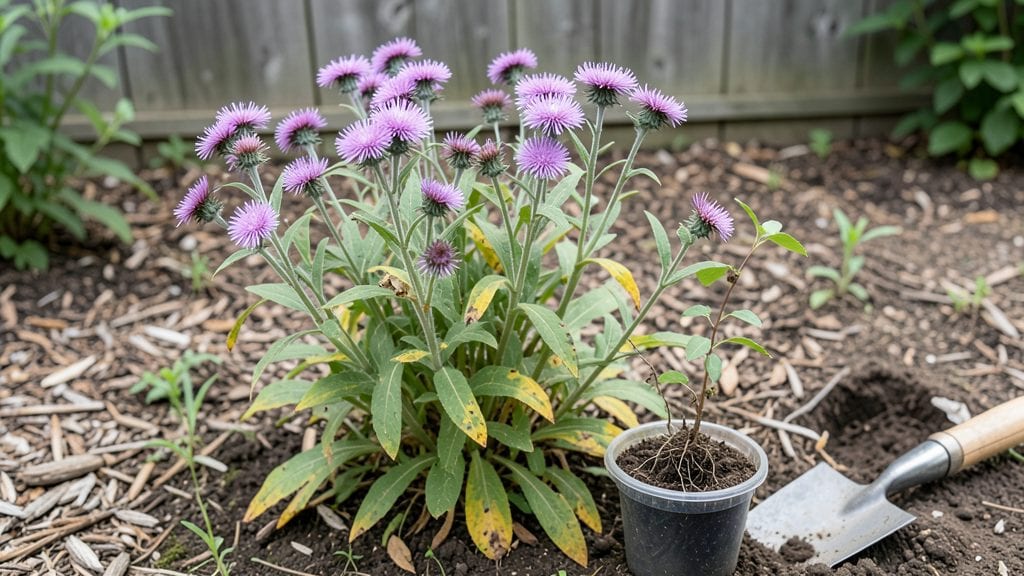
Fall planting landscape maintenance transforms your yard from a sleepy winter scene into a year-round showstopper with just a few strategic moves. I used to think fall was just cleanup season—until I discovered how planting now means less work later and more vibrant blooms come spring.
The secret lies in choosing the right plants for cooler weather and giving them the perfect start before the ground freezes.
Cool-season veggies like spinach and kale thrive when planted now, while bulbs like tulips and daffodils get a head start underground. Perennials planted in fall establish deeper roots before winter, making them heartier for next year.
You’ll need basic tools—a shovel, gloves, and maybe a wheelbarrow—and an afternoon to prep soil, mulch, and tuck in new plants. Even beginners can nail this with the right approach.
By winter, you’ll have a landscape that looks intentional, not neglected. The mulch keeps weeds at bay, the soil stays moist, and your plants wake up ready to grow in spring.
No more scrambling in muddy spring soil—just a well-prepped yard that rewards you all season long. Let’s get your garden set up for success before the first frost.
Works in every USDA zone, from the Deep South to the Pacific Northwest. The key is timing—plant before the ground freezes, but after the first hard frost.
That sweet spot gives roots time to settle without exposing tender shoots to winter’s chill. Simple adjustments make this work for small yards or large properties alike.
📚 In This Guide
- What you need
- Instructions
- Tips and common mistakes
- Wrapping up and next steps
What you need
- ● Garden Soil: 5+ bags of high-quality, well-draining topsoil or compost mix (1 cubic yard per 100 sq. ft. of planting area). Look for a blend with 20-30% organic matter.
- ● Mulch: 2-3 bags of shredded bark or pine straw (2-3 inches deep for weed suppression and moisture retention).
- ● Bulbs & Perennials: Seasonal fall-planted bulbs (e.g., tulips, daffodils, crocus) and hardy perennials (e.g., sedum, hellebore, asters). Purchase 1-2 plants per square foot for optimal coverage.
- ● Fertilizer: Slow-release 10-10-10 or 5-10-10 granular fertilizer (apply at ½ lb. per 100 sq. ft.).
- ● Pruners: Bypass pruners (for clean cuts) and loppers (for thicker branches).
- ● Garden Fork: Heavy-duty tine fork (for aerating soil).
- ● Garden Gloves: Durable, waterproof gloves (to protect hands from thorns and soil).
- ● Watering Can or Hose: With a soaker hose attachment for deep watering.
- ● Wheelbarrow: For hauling soil, mulch, and plants.
- ● Soil pH tester – To ensure your soil is ideal for fall plants (aim for 6.0-7.0).
- ● Organic compost – Mix into soil for extra nutrients (1 part compost to 3 parts soil).
- ● Plant markers – Label bulbs/perennials for easy identification next spring.
- ● Knee pads – For comfort during extended planting sessions.
- ● Post-emergent herbicide – To control weeds before mulching (if needed).
- ● Lawn edger – For crisp, clean borders around garden beds.
Step-by-Step fall planting landscape maintenance
Here’s how to refresh your yard for winter while setting up next year’s success—no backbreaking work required.
Clear and Prepare the Planting Areas
Start by removing any dead or diseased plants from your landscape beds. I like to use a pair of sharp pruners for clean cuts—never tear stems, as this invites pests and disease. Pull weeds down to the root to prevent regrowth, and dispose of them in the trash, not the compost bin, if they’re diseased.
Rake away fallen leaves and debris from the planting areas, but leave a thin layer of mulch or leaves in grassy areas to protect roots from freezing. Focus on creating a clean, level surface where new plants will go. This is the time to spot any low spots that might collect water or uneven areas that could trip you later.
Test and Amend the Soil
Fall is the perfect time to test your soil’s pH and nutrient levels, since you’ll have a few months to let amendments work before spring planting. I use a simple soil test kit to check for acidity or alkalinity—most plants prefer a neutral 6.0 to 7.0 pH. If your soil is too heavy or compacted, mix in 2-3 inches of compost to improve drainage and fertility.
Work the amendments into the top 6-8 inches of soil using a garden fork or tiller. Avoid working the soil when it’s wet, as this can create clumps that hinder root growth. Once amended, let the soil settle for a few days before planting to allow the nutrients to integrate naturally.
Plant Cool-Season Annuals and Perennials
Choose plants that thrive in cooler temperatures, like pansies, mums, or ornamental kale, for instant color. I plant these in clusters of 3-5 per square foot to create a full, lush look. Dig holes twice as wide as the root ball and just as deep—this prevents burying the plant too deeply, which can suffocate roots.
Water each plant deeply after planting to help settle the soil around the roots. Mulch with 2-3 inches of shredded bark or leaves to retain moisture and regulate soil temperature. Avoid piling mulch directly against stems, as this can cause rot—keep it 2-3 inches away from the base of the plant.
Mulch and Protect Existing Plants
Spread a 2-3 inch layer of mulch over the entire planting area to insulate roots from freezing temperatures. I use a combination of shredded leaves and wood chips for texture and long-term decomposition. This layer also suppresses weeds, saving you time in spring.
For tender perennials or shrubs, wrap the base with burlap or frost cloth and secure it loosely with twine. Avoid tying it too tight—plants still need airflow. Water deeply before the first hard freeze to ensure roots stay hydrated through winter. This small effort now means healthier plants come spring.
Plan for Spring with Strategic Planting
Take notes on which plants thrived and which struggled this fall. I sketch a simple map of my beds, marking areas that need more sun or shade adjustments. This helps me place next year’s plants in the ideal spots for their needs.
Consider adding bulbs like tulips or daffodils now—they’ll establish roots in fall and bloom beautifully next spring. Plant them 6-8 inches deep and 3-4 times as wide as the bulb itself. Water them well after planting, and they’ll reward you with minimal effort in the coming seasons.
Tips & tricks for perfect fall planting landscape maintenance
Fall planting isn't just about putting plants in the ground—it's about setting your landscape up for success all season long. Here are the key strategies that make the difference between a good fall and a great one.
Disease Prevention in Step 1: When removing diseased plants in Step 1, don't just cut them—sterilize your pruners between cuts with rubbing alcohol. I learned this the hard way after my pruners spread disease to healthy plants. Also, wear gloves to avoid transferring pathogens to other plants or surfaces. This small step prevents weeks of frustration later when plants start wilting unexpectedly.
Soil Testing Timing in Step 2: The ideal time to test your soil in Step 2 is after your first hard frost but before the ground freezes completely. Most soil test kits take 2-3 weeks to process, so plan accordingly. If you're short on time, consider a rapid test that gives results in 24 hours. Remember, the goal is to have amendments worked in before the soil freezes—this gives nutrients time to integrate naturally before spring planting.
Planting Layout Trick in Step 3: For the 3-5 plants per square foot in Step 3, arrange them in a triangular pattern rather than rows. This creates a denser, more natural look while allowing each plant optimal sunlight exposure. When digging holes twice as wide as the root ball, loosen the sides of the hole with your hands or a trowel—this encourages roots to spread outward rather than circling the root ball.
Mulching Strategy in Step 4: When applying the 2-3 inch mulch layer in Step 4, create a small "mulch volcano" around each plant stem—this means piling mulch slightly higher at the center and sloping it down toward the edges. This creates a natural water channel that directs rainwater toward the roots. Just remember to keep that mulch 2-3 inches away from plant stems to prevent rot, as mentioned in the instructions.
Pro Tips for Fall Planting Landscapemaintenance
- Fall planting isn't just about putting plants in the ground—it's about setting your landscape up for success all season long.
- Disease Prevention in Step 1: When removing diseased plants in Step 1, don't just cut them—sterilize your pruners between cuts with rubbing alcohol.
- Soil Testing Timing in Step 2: The ideal time to test your soil in Step 2 is after your first hard frost but before the ground freezes completely.
Frequently asked questions
Got questions about fall planting and landscape maintenance? You’re not alone! Here are answers to common concerns to help you plan with confidence.
What’s the best time to start fall planting in my region?
Timing depends on your climate! In northern regions, aim for late August to mid-October (before the first hard frost). For southern zones, plant September through November when temperatures cool but don’t drop below 40°F. Check your USDA Plant Hardiness Zone for precision.
Can I plant flowers and veggies together in fall?
Companion planting
works well in fall—try pairing cool-season veggies (like kale or carrots) with fall-blooming flowers (e.g., marigolds or pansies). Flowers deter pests, while veggies benefit from their shade. Just leave 12–18 inches of space between roots to avoid competition.
How do I prepare my soil for fall planting?
Start by removing weeds and loosening soil with a garden fork. Add 2–3 inches of compost or aged manure, then mix in a balanced fertilizer (10-10-10). For heavy clay or sandy soil, amend with peat moss or perlite to improve drainage and texture.
What if my fall plants aren’t thriving? Troubleshooting tips?
Check these common issues:
Yellowing leaves? Overwatering or poor drainage—let soil dry slightly between waterings.
Slow growth? Low light or nutrients—mulch heavily and fertilize lightly with a high-phosphorus blend.
Pests (slugs/snails)? Set out beer traps or use copper barriers around beds.
Pro tip: Mulch with straw to retain moisture and suppress weeds!Are there low-maintenance fall plants for beginners?
Yes! Opt for hardy perennials like sedum, heuchera, or Russian sage, which thrive with minimal care. For veggies, spinach, radishes, and green onions grow quickly and tolerate cooler temps. Bulbs (e.g., daffodils, tulips) are also foolproof—just plant and forget until spring!
Wrapping up and next steps
Fall planting and landscape maintenance is your secret weapon for a low-effort, high-reward yard that stays stunning year-round! By embracing seasonal planting, mulching, and simple upkeep, you’ll enjoy lush greenery, vibrant colors, and a thriving garden—without the summer heat or spring rush. 🌿
Ready to transform your outdoor space? Start small: pick one task from this guide—whether it’s planting a few perennials, refreshing mulch, or cleaning up debris—and build from there. Your future self (and your neighbors!) will thank you. Happy gardening! 🌟