
Pruning
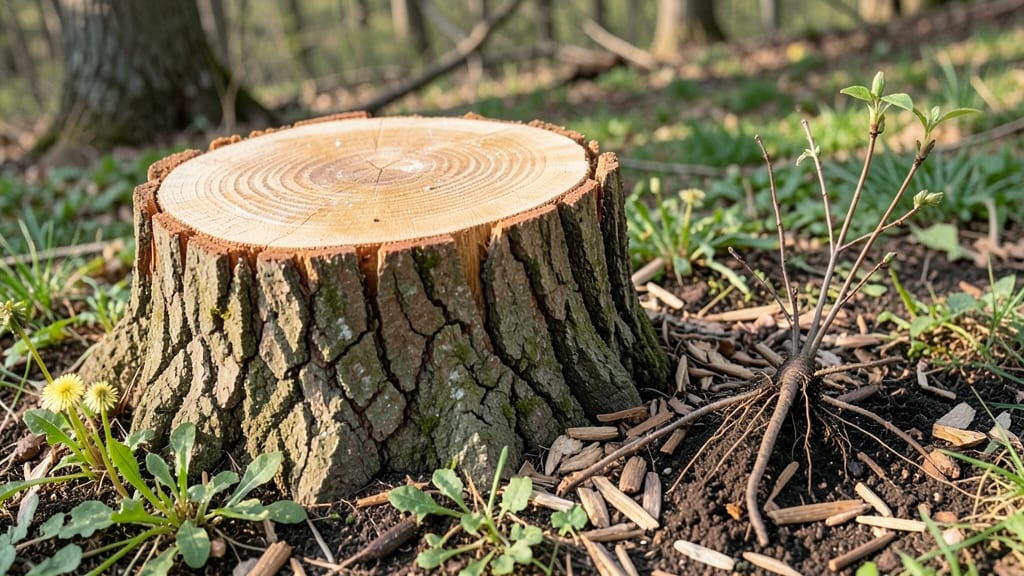
Planting around tree stumps turns forgotten patches into thriving green spaces—no digging required. 🌿 I’ve turned my own stump circle into a lush, low-maintenance garden that looks intentional, not neglected. The key is choosing plants that tolerate shallow roots and compete with the stump’s lingering influence.
Start with shade-tolerant perennials like hostas or ferns, or drought-resistant ground covers like creeping thyme. Space them closely—about 6–12 inches apart—to cover the area quickly. A 3-inch layer of mulch keeps weeds down and retains moisture, while also protecting roots from temperature swings.
Within a season, you’ll see vibrant foliage spilling over the stump’s edges, creating a seamless transition. The plants will thrive with minimal care, and the area will look intentionally landscaped. Plus, you’ll improve soil health over time as organic matter breaks down.
This works for any yard, whether you’ve got one stump or a whole grove’s worth. The same principles apply to rocky spots or tight corners—just adjust your plant choices for light and moisture conditions.
📚 In This Guide
- What you need
- Instructions
- Tips and common mistakes
- Wrapping up and next steps
What you need
- ● Soil amendments: Compost (2–3 cubic feet, depending on stump size) – boosts nutrients and improves drainage
- ● Peat moss or coconut coir (1–2 bags) – helps retain moisture in sandy soil
- ● Garden soil (1–2 cubic yards) – for filling and leveling
- ● Mulch: Wood chips or shredded bark (3–5 bags, 2–3 inches deep) – suppresses weeds and retains moisture
- ○ Optional: Pine straw or straw mulch for a finer texture
- ● Plants: Ground cover plants (e.g., creeping thyme, clover, or ajuga) – 10–20 plants, depending on stump size
- ● Perennials or shrubs (e.g., hostas, ferns, or ornamental grasses) – 3–6 plants for structure
- ○ Wildflower seeds (optional) – for a natural, low-maintenance look (sprinkle lightly)
- ● Garden shovel or spade – for digging and amending soil
- ● Garden rake – to level and smooth the soil
- ● Wheelbarrow or bucket – for mixing soil and hauling materials
- ● Gloves (heavy-duty) – to protect your hands from sharp edges and debris
- ● Watering can or hose with a gentle spray nozzle – for post-planting hydration
- ○ Optional: Soil pH tester – to check if amendments are needed
- ● Kneeling pad – for comfort during planting
- ● Stump grinder (if stump is large) – to reduce size before planting
- ● Remove any remaining roots or debris from the stump area – use a shovel or pruners if needed
- ● Check for stump rot or fungal growth – if present, treat with fungicide before planting
- ● Ensure the area gets the right sunlight for your chosen plants – most ground covers thrive in partial shade
- ● Pro tip: 💡 If the stump is still fresh, let it sit for 6–12 months to decompose slightly—it’ll make planting easier!
Step-by-Step guide to planting around tree stumps
Here’s how to turn that awkward stump into a vibrant, low-maintenance garden feature.
🪴 Step 1: Prepare the Soil and Remove Debris
Start by clearing the area around the stump of any loose bark, rocks, or old mulch. Use a hand trowel to scrape away any remaining debris clinging to the stump itself—this prevents rot and pests later. The goal is a clean, level surface where roots can establish without competition.
Next, loosen the soil within 12-18 inches of the stump using a garden fork. Break up compacted layers gently to improve drainage and root penetration. If the soil feels dry or clay-heavy, mix in 2-3 inches of compost to boost fertility and aeration. This step ensures your plants won’t struggle to thrive in poor conditions.
🌱 Step 2: Choose Stump-Friendly Plants
Select plants that tolerate shallow roots and limited soil depth near the stump. Ground covers like creeping thyme, ajuga, or lily of the valley thrive in tight spaces and suppress weeds naturally. For structure, consider ornamental grasses or ferns, which adapt well to partial shade and irregular soil.
Avoid deep-rooted plants like shrubs or perennials—they’ll compete with the stump’s residual roots for moisture. Instead, opt for species labeled as drought-tolerant or shade-loving, depending on your site’s light conditions. I like to sketch a rough layout first, spacing plants 6-12 inches apart for a dense, polished look.
💧 Step 3: Plant and Mulch Strategically
Dig small holes just wide enough to accommodate each plant’s root ball. Place the plant so its top sits at ground level—burying the crown too deep can suffocate it. Water each hole thoroughly before inserting the plant, then backfill with soil, pressing gently to eliminate air pockets.
Once planted, apply a 2-inch layer of mulch (like shredded bark or pine needles) around the base, keeping it 3 inches away from the stump to prevent moisture buildup. Mulch conserves water, regulates soil temperature, and keeps weeds at bay. Replenish it annually to maintain coverage.
☀️ Step 4: Water and Monitor Growth
Water deeply after planting, then every 2-3 days until new growth appears. Check soil moisture by sticking your finger 1 inch deep—if it feels dry, it’s time to water. Overwatering here risks rot near the stump, so let the topsoil dry slightly between sessions.
Watch for signs of stress, like yellowing leaves or stunted growth. These often signal poor drainage or root competition. If you notice wilting, trim back any aggressive plants and add a thin layer of compost to refresh the soil. With consistent care, your stump garden will fill in beautifully within 6-12 months.
Tips & tricks for perfect stump gardens
Transforming that awkward stump into a thriving garden takes a few strategic moves—here's how to avoid common pitfalls and elevate your design.
Soil Prep Strategy: In Step 1, don't just clear debris—test your soil first. A simple pH test kit will tell you if your soil needs lime (for acidic conditions) or sulfur (for alkaline). The 12-18 inch loosening zone should feel like crumbly cake batter when worked, not compacted clay. This preparation makes all the difference for shallow-rooted plants struggling near the stump's residual roots.
Plant Selection Insight: When choosing plants in Step 2, prioritize those with natural pest resistance. For example, creeping thyme deters ants while suppressing weeds—double functionality. I always check the plant tags for "shallow root zone" specifications, as this directly correlates with success near stumps. The 6-12 inch spacing recommendation works best when you visualize the mature plant size, not just the current size.
Mulching Mastery: The 2-inch mulch layer in Step 3 deserves special attention. Use only organic mulches like cedar chips or straw near the stump—they break down slowly and won't create thatch. Keep that 3-inch clearance from the stump's base religiously; this prevents moisture buildup that could accelerate rot. I've seen too many beautiful stump gardens ruined by improper mulching—don't make that mistake!
Watering Wisdom: That every 2-3 days guideline in Step 4 is perfect for most climates, but adjust based on your soil type. Sandy soils need more frequent watering while clay holds moisture longer. The 1-inch deep finger test works best in the morning—this gives plants time to use the water before evening. Watch for wilting between waterings; this is your plant's SOS signal.
Pro Tips for Planting Around A Tree Stump
- Transforming that awkward stump into a thriving garden takes a few strategic moves—here's how to avoid common pitfalls and elevate your design.
- Soil Prep Strategy: In Step 1, don't just clear debris—test your soil first.
- Plant Selection Insight: When choosing plants in Step 2, prioritize those with natural pest resistance.
Frequently asked questions
Got questions about turning that empty stump spot into a thriving garden? Here are answers to the most common concerns—so you can plant with confidence!
How close can I plant to a tree stump?
Keep new plants at least 2–3 feet away from the stump’s edge to avoid competing roots. For larger shrubs or trees, extend this to 5+ feet. Smaller ground covers (like clover or moss) can thrive closer—just monitor moisture levels!
What’s the best time of year to plant around a stump?
Spring or early fall are ideal! These seasons offer moderate soil temps and steady rainfall, helping roots establish before extreme weather. Avoid planting in peak summer heat or freezing winter—both stress young plants.
Can I plant flowers or vegetables near a tree stump?
Yes, but choose shade-tolerant varieties like hostas, ferns, or leafy greens (spinach, lettuce). Avoid deep-rooted veggies (carrots, potatoes) or sun-lovers (tomatoes, marigolds). Mulch heavily to retain moisture for shallow-rooted plants!
What if my new plants aren’t growing well?
Check for root competition (stump may still be drawing nutrients) or poor drainage (common in compacted stump soil). Try:
- Loosen soil with a garden fork.
- Add compost to boost fertility.
- Water deeply 2–3x/week (not just surface-level).
Are there low-maintenance alternatives to planting?
If gardening feels overwhelming, try:
- Mulch-only zones: Spread 3–4 inches of wood chips to suppress weeds and retain moisture.
- Rock gardens: Use decorative stones for a no-fuss, drought-resistant look.
- Grass or clover: Fast-growing and low-effort for filling space.
Wrapping up and next steps
Transforming a tree stump into a vibrant garden feature is easier—and more rewarding—than you might think! 🌱 With the right plants, a little creativity, and some thoughtful planning, you can turn dead space into a thriving, low-maintenance landscape.
Whether you opt for hardy ground covers, bold perennials, or even a mini wildflower meadow, your stump will soon become a focal point that adds beauty and life to your yard.
Ready to get started? Pick your plants, gather your tools, and dive in! Before you know it, that empty spot will be teeming with greenery—and you’ll be the proud gardener who made it happen. Happy planting! 🌿