
Propagation
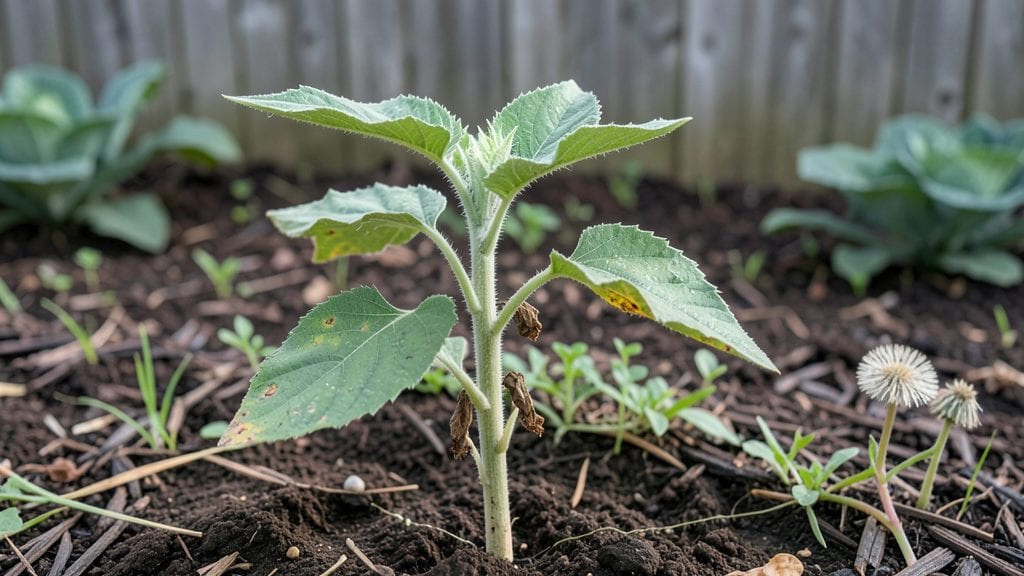
Sunflower seeds sprout faster with this simple trick—plant them just 1 inch deep in warm soil, and you’ll see shoots in 3-5 days. I’ve watched my kids’ excitement grow as those first green leaves push through, and I’ll show you how to replicate that speed every time.
The secret isn’t complicated: it’s about moisture, warmth, and a little patience at the right moment.
You’ll need well-draining soil mixed with compost, a sunny spot (at least 6 hours of sunlight daily), and a watering can with a gentle spray nozzle. Most beginners overwater at first, but sunflowers hate soggy soil—keep it damp, not drenched.
Once planted, place a clear plastic dome or even a cut-open plastic bottle over the seeds to trap heat and moisture until germination. It’s a foolproof way to skip the waiting game.
By day 10, you’ll have sturdy seedlings ready to thin out, leaving the strongest stems 12-18 inches apart. The towering stems you dream of start with these early decisions—proper spacing prevents competition for nutrients.
Within 6-8 weeks, you’ll be harvesting sunflowers tall enough to block the afternoon sun, their golden faces turning toward the sky like nature’s own sun catchers.
This method works in any climate, from desert gardens to cooler northern zones—just adjust planting time to avoid late frosts. Whether you’re growing for show, birdseed, or just pure joy, these sunflowers will reward your effort with unexpected speed and height. Let’s get those seeds in the ground!
📚 In This Guide
- What you need
- Instructions
- Tips and common mistakes
- Wrapping up and next steps
What you need
- ● Sunflower seeds – Choose fast-germinating varieties like ‘Mammoth’ or ‘Autumn Beauty’ (10–20 seeds per plant, depending on desired size).
- ● Seed-starting mix – 2–3 cups of lightweight, sterile potting soil (avoid garden soil—it’s too dense!).
- ● Biodegradable pots or peat pellets – 4–6 individual containers (3–4 inches deep) to prevent root binding.
- ● Watering can or spray bottle – A gentle misting function helps avoid seed displacement.
- ○ Clear plastic dome or plastic wrap – Creates a humidity tent to speed up germination (optional but highly effective!).
- ● Plant labels – Mark seeds with variety names and planting dates (toothpicks + masking tape work great!).
- ● Grow lights or sunny windowsill – Sunflowers need 6–8 hours of light daily (grow lights are ideal for indoor starts).
- ○ Fertilizer (optional) – A balanced, water-soluble fertilizer (5-5-5 or 10-10-10) diluted to half-strength for post-germination boosts.
- ○ Heat mat (optional) – Keeps soil at 70–75°F to cut germination time in half (especially useful in cool climates).
- ● Trowel or small spoon – For planting seeds at the correct depth (¼ inch max!).
Step-by-Step instructions for fast sunflower seed germination
Here's how to coax those seeds into sprouting within days—not weeks—so you're watching towering stems race toward the sky.
Prep Seeds for Maximum Germination Speed
Sunflower seeds have tough outer shells that slow germination. First, soak them in a bowl of lukewarm water for 12 hours. This softens the shell and jumpstarts the seed's metabolism. I like to use a small glass bowl and cover it loosely with plastic wrap to keep the water temperature stable—around 70°F is ideal.
After soaking, drain the seeds and place them between two damp paper towels. Fold the towels to encase the seeds completely, then roll them up and secure with a rubber band. This mimics the moisture and pressure of soil while keeping everything contained. Place the bundle in a sealed plastic bag to maintain humidity—you'll see tiny roots breaking through in just 24-48 hours.
Plant in Warm, Well-Drained Soil
Sunflowers thrive when planted in 60-70°F soil. If your garden bed is cooler, mix in a handful of compost to warm it naturally. Use a trowel to dig holes 1 inch deep—deeper planting delays germination because the seedling struggles to reach light. I plant 4 seeds per hole in a loose circle, spacing them 6 inches apart. This ensures you'll have at least one strong sprout per spot even if some fail.
Gently press the pre-sprouted seeds into the soil, roots first, then cover lightly with the remaining mix. Avoid compacting the soil—sunflower roots need air to grow. Water immediately after planting, but don’t drown the seeds. The soil should feel like a damp sponge, not a soggy mess. A light misting with a spray bottle works best to avoid displacing the seeds.
Provide Consistent Moisture and Warmth
Sunflowers germinate fastest in full sun and warmth. If planting outdoors, choose a location with at least 6-8 hours of direct sunlight daily. Use a clear plastic dome or row cover to trap heat and moisture around the seeds—this can cut germination time by half. Check the soil daily; it should stay evenly moist but not waterlogged. Overwatering at this stage suffocates seeds and invites rot.
Watch for the first true leaves to appear in 3-5 days. These will look like small, jagged green triangles. Once they emerge, remove the dome immediately to prevent fungal growth. Thin seedlings to the strongest plant per hole when they reach 2 inches tall, snipping the others at the base with clean scissors. This gives your champion sunflower room to grow without competition.
Support Early Growth for Towering Stems
Sunflowers need sturdy support from the start to prevent flopping. As soon as the first true leaves unfurl, insert a 5-foot bamboo stake into the soil beside each plant. Gently tie the main stem to the stake with soft plant ties or strips of old fabric—avoid wire or anything that can cut into the stem as it thickens. Check the ties weekly and loosen them as the stem grows to avoid restricting its expansion.
Fertilize lightly when the plants reach 12 inches tall with a balanced 10-10-10 formula. Sunflowers are heavy feeders, but too much nitrogen early on leads to weak stems. Water at the base once weekly, aiming for 1 inch of water per week. You’ll know you’re doing it right when the soil feels dry 1 inch below the surface before watering again. This encourages deep root growth, which translates to taller, more stable stems later.
Tips & tricks for fast sunflower seed germination
These precision techniques will help you bypass the weeks-long wait and watch those sunflower sprouts emerge in record time.
Soaking Precision: The 12-hour soak in lukewarm water at exactly 70°F is non-negotiable for breaking dormancy. Use a thermometer to verify temperature—cooler water slows metabolism, while warmer water can damage the seed. I place my bowl in a sink with running warm water to maintain that perfect 70°F range throughout the soaking period. This jumpstarts enzymatic activity that would normally take days to begin naturally.
Germination Environment: During the 24-48 hour germination window between damp towels, keep the bundle in a location with consistent warmth—above 60°F but below 80°F. A sunny windowsill works well, but avoid direct sunlight that can overheat. The sealed plastic bag creates a mini greenhouse effect, but check daily for condensation. Excess moisture here can lead to mold rather than roots.
Planting Depth Strategy: The 1-inch planting depth in Step 2 is critical—any deeper and the seedling must exert energy to reach light, delaying emergence. I use a ruler to verify depth, pressing the seeds firmly but gently into the soil. The loose circle arrangement of 4 seeds per hole creates a natural competition that weeds out weaker sprouts before they use valuable resources.
Thinning Technique: When thinning to the strongest plant at 2 inches tall, use clean scissors to snip at the base rather than pulling. This prevents disturbing the roots of your champion plant. I mark the strongest sprout with a small wooden stake before cutting others to avoid confusion in dense plantings. The goal is to eliminate competition while preserving the root system of your winner.
Pro Tips for Planted Sunflower Seeds
- These precision techniques will help you bypass the weeks-long wait and watch those sunflower sprouts emerge in record time.
- Soaking Precision: The 12-hour soak in lukewarm water at exactly 70°F is non-negotiable for breaking dormancy.
- Germination Environment: During the 24-48 hour germination window between damp towels, keep the bundle in a location with consistent warmth—above 60°F but below 80°F.
Frequently asked questions
Got questions about growing sunflowers from seeds? You’re not alone! Here are answers to the most common queries—from timing to troubleshooting—so you can grow those towering stems with confidence.
When is the best time to plant sunflower seeds?
Sunflowers thrive in warm soil (at least 50°F/10°C). Plant them after the last frost in spring, once the ground is workable. For fall harvests, sow seeds 60–90 days before your first frost date. In warm climates, you can even plant in late summer for winter blooms!
How long does it take for sunflower seeds to germinate?
With the right conditions (moisture, warmth, and light), sunflower seeds typically sprout in 7–14 days. Use a seedling heat mat or cover with plastic to speed things up. If they don’t sprout in 3 weeks, they may need more moisture or warmth.
Can I plant sunflower seeds indoors first?
Yes! Start seeds indoors 2–3 weeks before the last frost using small pots or a seed tray. Keep them in a sunny window or under grow lights (12–16 hours/day). Transplant outdoors after hardening off (acclimating to outdoor temps for 1–2 weeks).
What should I do if my sunflower seeds don’t sprout?
First, check for moisture and warmth—seeds need consistent dampness (not soggy) and temps above 50°F. If they’re still dry, replant fresh seeds ¼ inch deep. Pests or old seeds can also be culprits—try soaking seeds overnight in water to encourage germination.
Are sunflower seeds safe to plant if they’re from a store-bought sunflower?
Yes, but save seeds from organic, non-hybrid sunflowers for the best results. Store-bought hybrids may not grow true to type. If you’re unsure, opt for heirloom or open-pollinated seeds from a nursery. Always test a few seeds first to confirm viability!
Wrapping up and next steps
Planting sunflower seeds is a rewarding journey that yields quick, vibrant results—perfect for gardeners of all skill levels! 🌱 With the right soil, sunlight, and a little patience, you’ll soon be watching those towering stems reach for the sky.
Whether you’re growing sunflowers for beauty, wildlife, or even snacks, the key is consistency and care.
Now that you’ve got the know-how, grab those seeds and get planting! Start small, experiment with varieties, and enjoy the process. Before you know it, your garden will be a sunflower paradise—and you’ll be sharing your success with friends (or bragging to your plants!). Happy growing! 🌻