
Watering
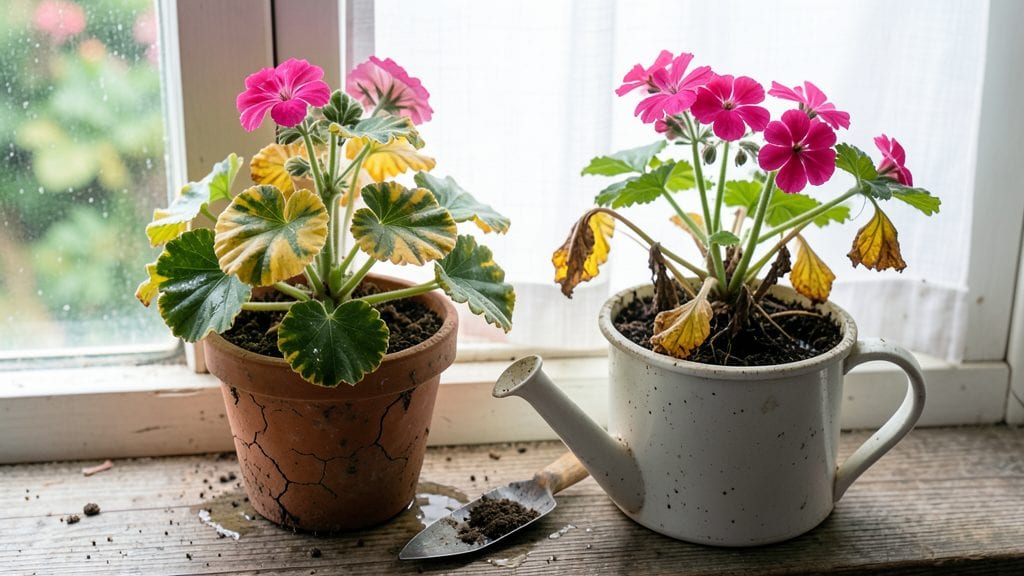
Learning the hard way that overwatering kills more plants than underwatering, I’ve saved countless leaves by mastering the subtle signs between the two. 🌱 The difference isn’t just wilting—it’s in the texture, color, and even the way roots behave.
One too many glasses of water turns soil soggy, while too little leaves plants parched and crisp.
Most gardeners guess instead of checking soil moisture with a finger before watering. I keep a small notebook to track when I water, how much, and what the leaves look like afterward—it’s the only way to spot patterns.
Succulents and ferns, for example, need completely different care, yet both show stress in their own distinct ways.
You’ll spot the difference in just a few days: underwatered leaves turn crispy at the edges, while overwatered ones feel mushy and yellow. The fix? Adjust your schedule, improve drainage, and watch your plants bounce back with vibrant green leaves that tell you everything you need to know.
This works for backyard gardens, containers, or raised beds—no matter where your plants live, the same rules apply. Let’s turn those sad leaves into thriving foliage for good.
The Hidden Triggers Behind Plant Stress
Your plants might be sending you SOS signals—but are you reading the right clues? Whether your green friends are wilting like a forgotten salad or sitting in soggy despair like a drowned sponge, the root of the problem often lies in how (or how little) you’re watering them.
Let’s pull back the curtain on why these mistakes happen, so you can fix them before your ferns become fries.
Overwatering isn’t just about giving your plant too much H2O—it’s about disrupting the delicate balance of oxygen, nutrients, and microbial life in the soil. Here’s the science behind the soggy mess:
🔬 Oxygen Starvation in the Soil
- Root suffocation: Plants need oxygen to respire (yes, they “breathe” too!). When soil stays waterlogged, oxygen gets displaced by water, forcing roots to gaspingly switch to anaerobic respiration—a slow, inefficient process that produces toxic byproducts like ethanol. This is why overwatered roots often smell rotten or mushy.
- Actionable fix: Use well-draining soil mixes (like cactus blends or chunky potting mixes) and ensure pots have drainage holes. If repotting isn’t an option, add perlite or orchid bark to improve aeration.
🦠 Microbial Mayhem
- Fungal feasts: Excess moisture creates the perfect buffet for pathogenic fungi like Phytophthora or Pythium, which attack roots like tiny, invisible termites. These fungi block water and nutrient uptake, leading to yellowing leaves and stunted growth.
- Actionable fix: Let the top 1–2 inches of soil dry out between waterings. If you suspect fungus, treat with a hydrogen peroxide solution (1 part 3% H2O2 to 4 parts water) or a fungicide like Serenade.
🧪 Nutrient Lockout
- Salinity buildup: Overwatering flushes nutrients out of the root zone, but it also traps dissolved salts in the soil. These salts create a hypertonic environment, drawing water out of root cells (osmotic stress), which mimics drought symptoms—even when the soil is wet.
- Actionable fix: Flush the soil every 2–3 months by watering until it runs out the drainage holes. Use rainwater or distilled water if your tap water is hard.
On the flip side, underwatering is like leaving a car running on fumes—eventually, the engine (or plant) just stalls. The damage isn’t always immediate, but chronic dehydration wreaks havoc on cellular function. Here’s why:
🔥 Transpiration Traffic Jam
- Stomatal shutdown: When soil moisture drops too low, plants close their stomata (tiny leaf pores) to conserve water. This halts photosynthesis, causing leaves to curl, brown at the edges, or drop. Worse? The plant can’t transport nutrients from roots to leaves, leading to nutritional deficiencies (even if you’re fertilizing!).
- Actionable fix: Water deeply until it exits the drainage holes (bottom-watering helps avoid surface evaporation). For tropical plants, check soil moisture with your finger—if the top 1 inch feels dry, it’s time to hydrate.
🌡️ Heat Stress & Wilting
- Cellular collapse: Plant cells are 80–90% water. When dehydrated, they lose turgor pressure (the “plumpness” that keeps leaves upright), causing wilting. In extreme cases, protein denaturation occurs—think of it like scrambled eggs in your leaves. This damage is often irreversible.
- Actionable fix: Group thirsty plants together to create a humid microclimate (like a mini greenhouse). Use a pebble tray with water underneath pots to increase humidity. For succulents, water less frequently but soak thoroughly when you do.
🐛 Pests Love a Dry Buffet
- Stressed = Snack Time: Underwatered plants are weaker and more susceptible to pests like spider mites, aphids, and whiteflies. These critters thrive in dry, dusty conditions and pierce leaves to suck out sap, accelerating decline.
- Actionable fix: Mist leaves occasionally (for non-succulents) and inspect undersides regularly. A neem oil spray can deter pests before they throw a party on your plant.
Pro Tip: 🌡️ The Finger Test Isn’t Enough! Some soils (like peat-based mixes) can feel dry on the surface but still hold moisture deeper down. For accuracy, use a moisture meter or the penknife test: Gently insert a clean knife into the soil—if it comes out clean, water is needed. If it’s damp, hold off!
Fixing Your Plant’s Water Woes
If your plant is struggling with water stress, the good news is that most issues can be reversed with the right care. Below, we’ll map out the most common causes of underwatering and overwatering—and the easy, actionable fixes to bring your green friend back to life. Plus, we’ll share prevention tips to keep future watering mishaps at bay.
🔥 Step 1: Check the Soil First
Before adding water, test the moisture level: - Stick your finger 1–2 inches deep into the soil.
If it feels dry and crumbly, your plant needs hydration. - Use a moisture meter (or a wooden chopstick) for accuracy—if it comes out clean, it’s time to water. - Pro Tip: 💡 If the soil pulls away from the pot edges, it’s severely dehydrated.
🍳 Step 2: Water Deeply (Not Just a Spritz)
- Slow and steady wins the race: Pour water until it drains from the bottom (for pots with drainage holes) or until the top 2–3 inches of soil are moist.
- Bottom-watering trick: Place the pot in a tray of water for 10–15 minutes—this encourages roots to absorb moisture evenly.
- Avoid misting leaves unless your plant (like a fern) thrives on humidity—most need soil moisture, not leaf dampness.
👨🍳 Step 3: Adjust Your Watering Schedule
- Morning watering is best—it gives plants time to drink before evening cools down.
- Group plants by needs: Succulents (like cacti) may only need water every 2–3 weeks, while tropicals (like pothos) prefer weekly hydration.
- Seasonal tweaks: 🌡️ Reduce watering in winter (plants grow slower) and increase slightly in summer (evaporation speeds up).
⏰ Step 4: Monitor for 1–2 Weeks
- Yellowing leaves? They’re recovering—old leaves may drop, but new growth should bounce back.
- Wrinkled or drooping? Keep watering consistently until the soil stays evenly moist.
- Prevention tip: ✨ Use a watering app (like Plantix or Gardena) to track schedules and avoid guesswork.
🔪 Step 1: Stop Watering Immediately
- No more H₂O until the soil dries out. This prevents root rot, the silent killer of overwatered plants.
- Move to a warmer, dry spot (like a sunny windowsill) to speed up evaporation.
🥘 Step 2: Assess the Roots (Gently!)
- Remove the plant from its pot and inspect the roots:
- Healthy roots: Firm, white, or light tan.
- Rotten roots: Mushy, black, or smelly—trim these with sterilized scissors.
- Pro Tip: 💡 If roots are mushy, repot in fresh, dry soil mixed with perlite or sand to improve drainage.
🌱 Step 3: Let the Soil Dry Between Waterings
- Wait until the top 1–2 inches feel dry before watering again.
- Use terracotta pots (they dry faster than plastic) or add gravel to the bottom of the pot for better airflow.
- Avoid saucers with standing water—empty them after 10 minutes.
✨ Step 4: Boost Airflow and Light
- Increase airflow by placing a small fan nearby (but not blasting directly on the plant).
- Adjust light levels: Most plants need bright, indirect light—direct sun can stress them further.
- Prevention tip: 🎯 Repot if needed—if the soil compacts easily or holds water like a sponge, upgrade to a well-draining mix.
| Problem | Quick Fix | Prevention Tip |
|---|---|---|
| Dry, crispy edges | Water deeply, then adjust schedule | Use a moisture meter to track soil dryness |
| Yellow, mushy leaves | Stop watering, trim rot, repot | Ensure pot has drainage holes |
| Wilting despite wet soil | Check roots, improve drainage | Add perlite to soil mix |
| Slow growth | Check light + water balance | Rotate plant for even sunlight exposure |
Remember: Most plants prefer slightly dry soil to soggy roots. When in doubt, wait a few more days before watering again. With these fixes, your plant should perk up in 1–4 weeks—depending on how severe the stress was. Happy reviving! 🌿
Frequently asked questions
How do I tell if my plant is thirsty or drowning?
Check the leaves first: underwatered plants have crispy, brown edges and dry soil that pulls away from the pot, while overwatered ones feel mushy with yellowing leaves and soil that stays soggy for days. For confirmation, stick your finger 2 inches deep—if it's bone-dry, it needs water; if it's damp, hold off.
Can I save a plant with root rot?
Yes, but act fast! Remove the plant, trim away black/mushy roots with sterilized scissors, then repot in fresh soil mixed with perlite. Stop watering until the soil dries completely—usually 3-5 days. Place it in bright, indirect light to help recovery.
Why does my plant wilt even when the soil is wet?
This is a classic sign of overwatering. Roots can't absorb oxygen in soggy soil, causing them to suffocate. Check for mushy stems or black roots—if present, improve drainage immediately by adding gravel to pots or switching to a cactus mix.
Is it better to underwater or overwater plants?
Most plants prefer slightly dry soil—overwatering kills 90% more plants than underwatering. The key is balance: water deeply when the top inch feels dry, then let excess drain away. Use terracotta pots for faster drying if you're unsure.
How often should I water my houseplants?
It varies by plant! Tropicals like pothos need water every 7-10 days, while succulents can go 3-4 weeks without water. The best rule? Check soil moisture with your finger—if the top 1-2 inches are dry, it's time. Morning watering prevents fungal growth.