
Watering
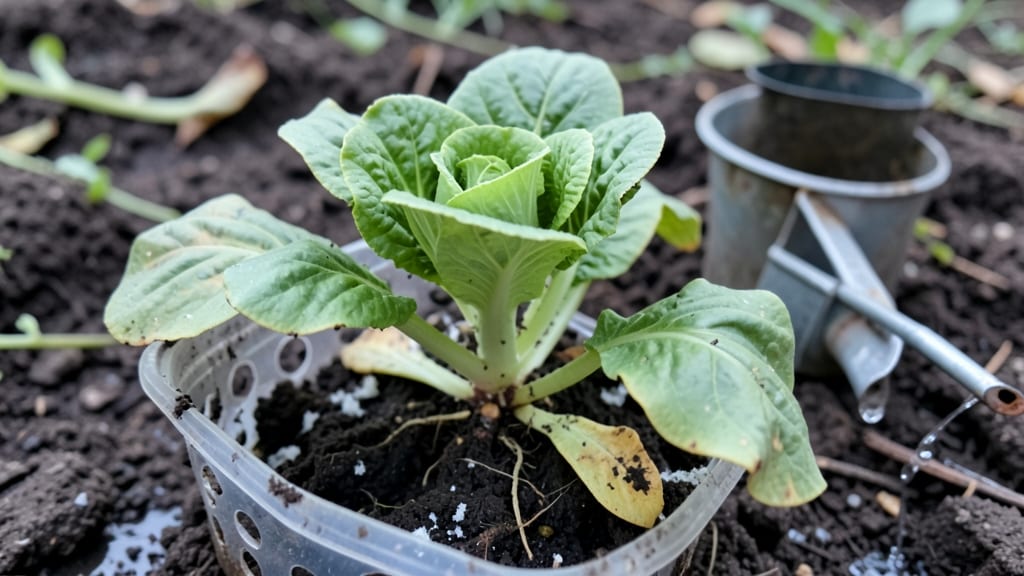
This plant overwatered seedling with its drooping leaves and yellowing stems is a cry for help—not a death sentence—because I’ve saved dozens by acting fast. late. The key is stopping the damage first, then giving the plant the right conditions to bounce back.
Overwatering drowns roots by cutting off oxygen, leading to that sad, mushy rot you don’t want to see. Most gardeners (myself included) overdo it because we’re excited—until the seedlings start wilting despite our efforts.
The good news? Seedlings are resilient when you fix the problem early. You’ll need a clean pot, fresh soil mix, and patience to let the roots recover.
Within a week, you’ll see new growth pushing through as the roots re-establish. The leaves will firm up, and the plant will stand tall again—proof that even the most neglected seedlings can make a comeback.
This method works for tomatoes, herbs, and flowers alike, so don’t toss those limp stems just yet.
Once you’ve revived your plant, adjust your watering schedule to check soil moisture with your finger before adding more. A quick test is all it takes to prevent future mishaps. Your seedling will thank you with stronger stems and healthier leaves down the line.
Common Causes Of Seedling Drowning
Overwatering seedlings isn’t just a gardening mistake—it’s often the result of well-meaning but misinformed care. Whether you’re a new gardener or a seasoned pro, understanding the why behind soggy soil can help you avoid killing your tiny plants before they even get a chance to grow.
Let’s break down the most common culprits and the science behind them.
Not all soil drains the same way, and if your potting mix holds onto water like a sponge, your seedlings won’t get the oxygen their roots desperately need. Here’s what’s happening:
- Compacted or heavy soil: Clay-heavy or poorly amended garden soil can suffocate roots by blocking airflow. When water sits instead of draining, it creates an anaerobic (oxygen-free) environment, where harmful bacteria thrive and roots rot.
- Lack of organic matter: Soil without compost, perlite, or vermiculite acts like a brick, trapping moisture. Roots in such conditions can’t absorb water efficiently, leading to edema (a condition where cells burst from excess water uptake).
- Over-reliance on peat moss: While peat holds moisture, it can also become waterlogged if not balanced with sand or coconut coir. Without proper aeration, roots drown in their own "swamp."
💡 Pro Tip: Test your soil’s drainage by filling a cup halfway with potting mix, adding water, and timing how long it takes to drain. If it takes more than 10 minutes, amend with coarse sand or perlite (20-30% of the mix).
Seedlings have tiny root systems—think of them like straws sipping water. If you water them daily (or even every other day), you’re forcing their roots to sit in a constantly wet environment. Here’s the breakdown:
- Excessive surface moisture: Watering from above can create a crust on the soil, preventing evaporation and trapping humidity near the stem. This mimics a greenhouse effect, encouraging fungal growth like Pythium or Phytophthora, which attack seedlings within 24-48 hours.
- Ignoring the "finger test": Sticking your finger 1 inch into the soil is the gold standard. If it feels damp, wait. If it’s bone-dry, water lightly. Most seedlings only need moisture when the top half-inch of soil feels dry.
- Automatic watering systems: Drip irrigation or self-watering pots can be lifesavers—but if set too aggressively, they turn your tray into a petri dish. Always monitor, even with "smart" systems.
✨ Key Insight: Seedlings should be watered less frequently but more deeply than mature plants. A good rule: Water until the soil is moist 1-2 inches down, then let it dry slightly before the next watering.
Your pot isn’t just a home for your seedling—it’s a lifeline for root health. The wrong container can turn your watering routine into a death sentence. Here’s how:
| Problem Container | Why It Fails |
|---|---|
| Plastic trays without drainage | Water pools at the bottom, creating a stagnant "root bath." Roots suffocate, and mold spreads upward. |
| Glazed ceramic pots | Non-porous surfaces prevent excess moisture from evaporating, keeping soil soggy for days. |
| Overly large pots | Extra soil stays wet longer, delaying root development. A seedling in a 1-gallon pot is like a toddler in a bathtub—too much space, too little control. |
| Black plastic pots | Absorbs heat, increasing evaporation but also trapping moisture if not balanced with proper drainage. |
🔥 Fix It: Use terracotta or fabric pots (breathable materials) with drainage holes. For trays, elevate them on a rack to allow airflow underneath. And size matters: A 2-4 inch pot is ideal for most seedlings.
Humidity, temperature, and even your home’s layout can turn your watering habits into a disaster. Here’s how the weather (or lack of it) plays a role:
- High humidity: If your seedlings are in a closed greenhouse, bathroom, or kitchen (hello, steamy cooking!), moisture lingers in the air. Leaves absorb this humidity like a sponge, leading to transpiration imbalance—where the plant takes in more water than it can process.
- Cold temperatures: Cool soil slows root activity, making it harder for seedlings to "drink" efficiently. If you’re watering on a chilly morning, the roots may not absorb the moisture, leaving it to pool around them.
- No airflow: Stagnant air traps moisture. A fan on low (just 1-2 hours daily) mimics natural wind, helping soil dry faster and reducing fungal risks.
🎯 Action Step: Place seedlings in a bright, breezy spot (like a sunny windowsill with a small fan). If humidity is high, water less often but ensure containers have drainage.
Revive Your Seedling in 3 Steps
If your seedling is looking sad and soggy, don’t panic—it’s not too late to save it! Overwatering can stunt growth, cause root rot, or even kill your plant if left unchecked. The good news? With the right steps, you can nurse it back to health.
Below, we’ll break down the most common causes of an overwatered seedling and how to fix them—plus tips to keep your little green friend thriving.
Before doing anything else, halt all watering. Continuing to add water will only worsen root rot and suffocate the roots. Let the soil dry out slightly before taking further action.
💡 Pro Tip: If the soil feels cold, slimy, or smells foul, it’s a clear sign of overwatering. Let it air out for at least 24 hours before proceeding.
Poor drainage is often the root cause of overwatered seedlings. Here’s how to fix it:
🔥 Fix Clogged or Compacted Soil
- Gently remove the seedling from its container.
- Loosen the soil around the roots with your fingers or a small tool.
- If the soil is waterlogged and compacted, mix in perlite, vermiculite, or sand (about 20% of the soil volume) to improve aeration.
🍳 Repot if Necessary
- If the roots are mushy or black (a sign of rot), trim away the damaged parts with sterilized scissors.
- Repot the seedling in a clean, well-draining container with fresh, lightweight potting mix.
- Ensure the new pot has drainage holes to prevent future waterlogging.
⏰ Let It Dry Between Waterings
- After repotting, wait until the top 1-2 inches of soil feel dry before watering again.
- Stick your finger in the soil—if it’s damp below the top layer, wait another day.
Now that your seedling is out of the waterlogged danger zone, it’s time to establish a healthier watering routine.
💧 Water Less, But More Deeply
- Instead of frequent shallow waterings, give your seedling a slow, deep drink when the soil is dry.
- Water until you see it draining from the bottom of the pot, then empty the saucer to avoid soggy roots.
🌿 Monitor Humidity and Environment
- Overwatering is worse in humid or poorly ventilated spaces. Ensure your seedling has:
- Good airflow (a small fan on low can help).
- Indirect sunlight (avoid harsh midday sun).
- A humidity level between 40-60% (use a hygrometer if needed).
🎯 Prevent Future Overwatering
- Use your finger as a guide—stick it into the soil before watering.
- Avoid schedules—plants don’t need water on a strict timeline. Adjust based on soil dryness.
- Choose the right pot—terracotta or fabric pots dry out faster than plastic.
With proper care, your seedling should show improvement in 3-7 days. Look for these positive signs:
- 🌱 New growth (tiny leaves or stems emerging).
- 💧 Soil drying faster between waterings.
- 🌿 Healthy green color (no more yellowing or wilting).
- 👃 No foul odor from the soil.
If your seedling isn’t improving after a week, it may have suffered permanent root damage. In that case, start fresh with a new seedling—but don’t give up! With these adjustments, your next one will thrive.
Frequently asked questions
Why does my seedling look wilted even though I water it daily?
Daily watering often means overwatering—seedlings need moisture when the top half-inch of soil feels dry, not on a schedule. Too much water suffocates roots by blocking oxygen, causing wilting. Check for yellowing leaves or mushy stems, which signal root rot from excess moisture. Let the soil dry slightly between waterings to revive your plant.
Can I save a seedling with black, mushy roots?
Yes, but act fast! Trim away the black, mushy roots with clean scissors, then repot in fresh, well-draining soil with perlite or vermiculite. Avoid watering for 2-3 days to let roots recover. If most roots are healthy, your seedling can bounce back with proper care.
How do I know if my seedling needs repotting?
Repot if roots are circling the pot, soil stays soggy for days, or you see mold/fungus. Use a pot 2-4 inches larger with drainage holes and a lightweight potting mix. Terracotta pots dry faster than plastic. After repotting, wait until the top 1 inch of soil feels dry before watering again.
Will a fan help my overwatered seedling recover?
A gentle fan on low (1-2 hours daily) improves airflow, reducing humidity around leaves and preventing fungal growth. This mimics natural wind, helping soil dry faster and roots recover. Place the fan 6-12 inches away to avoid stressing delicate stems.
Can I use hydrogen peroxide to fix overwatered seedlings?
Yes! Mix 1 teaspoon of 3% hydrogen peroxide with 1 quart of water to water your seedling. This oxygenates the roots and fights bacteria. Use sparingly—only enough to moisten the soil—and avoid overdoing it, as too much can harm roots. Repeat every 3-4 days until recovery.