
Planting
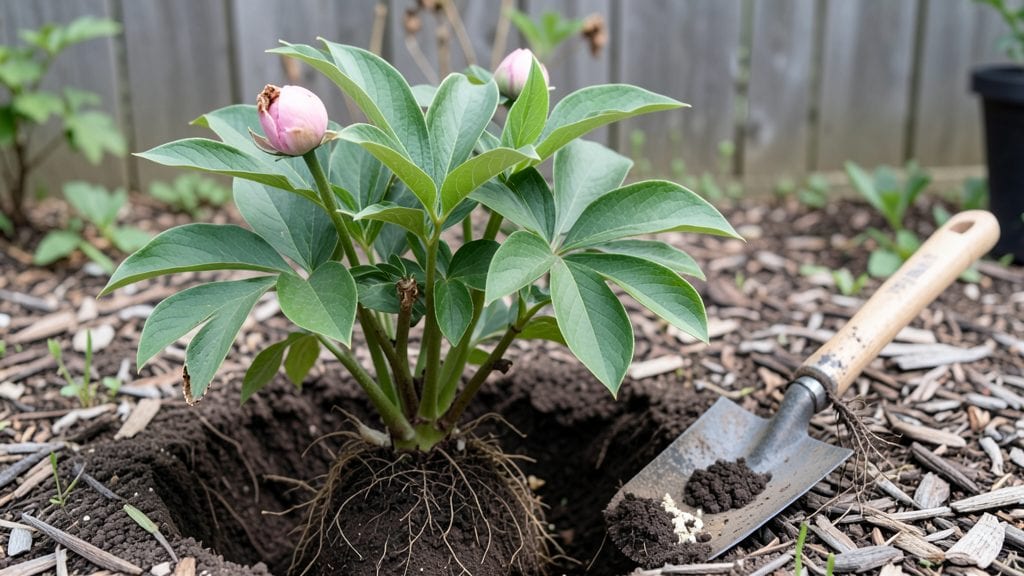
Here are peony planting tips that guarantee bold, reliable blooms for decades—these perennials reward patience with vibrant pink, red, or white flowers that return bigger every year.
I’ve planted hundreds of peonies, and the difference between a thriving bush and a flop comes down to just a few key moves: soil prep, sunlight placement, and knowing when to stop digging.
The secret isn’t fancy equipment—it’s loose, well-draining soil mixed with compost, a sunny spot with at least 6 hours of morning sun, and planting the "eyes" (buds) just 1–2 inches below the soil line.
Too deep? No blooms. Too shallow? Floppy stems. I’ve even turned neglected store-bought peonies into showstoppers by adjusting just these details, and you can too.
📚 In This Guide
- What you need
- Instructions
- Tips and common mistakes
- Wrapping up and next steps
What you need
- ● Peony roots (bare-root or potted): 1–3 plants per 4–6 sq ft of space (choose Paeonia lactiflora or Paeonia officinalis for best results).
- ● Well-draining soil: Amend clay or heavy soil with compost (2–3 inches) or organic matter (e.g., peat moss, aged manure).
- ● Fertilizer: Balanced granular (10-10-10) or low-phosphorus (5-10-10) fertilizer (½ cup per plant at planting).
- ○ Bone meal (optional): 1 tbsp per plant for phosphorus boost (helps root growth).
- ● Mulch: 2–3 inches of organic mulch (straw, shredded bark, or pine needles) to retain moisture and regulate temperature.
- ● Watering can or hose with adjustable nozzle: For gentle, deep watering (avoid overhead sprinklers).
- ● Garden gloves: Heavy-duty to protect hands while handling roots.
- ● Trowel or spade: For digging planting holes (6–8 inches deep and wide).
- ● Measuring tape or ruler: To ensure proper spacing (18–24 inches apart for herbaceous peonies; 3–4 ft for tree peonies).
- ● Soil pH test kit: Peonies thrive in 6.0–7.5 pH; adjust with lime (to raise pH) or sulfur (to lower) if needed.
- ● Epsom salt (magnesium sulfate): 1 tbsp dissolved in water (sprayed monthly) for vibrant blooms.
- ● Plant supports (cages or stakes): For tall varieties (e.g., Paeonia ‘Sarah Bernhardt’) to prevent flopping.
- ● Drip irrigation system: For automated, consistent watering (especially in hot climates).
- ● Fungicide (e.g., copper-based): Preemptive treatment if your area has Botrytis (gray mold) risks.
Step-by-Step instructions for planting peonies
Peonies thrive when planted correctly—their long lifespan depends on proper placement and care from day one.
Choose the Perfect Location for Sun and Soil
Peonies demand full sun—at least 6-8 hours daily—to produce their signature lush blooms. I always scout the site in late afternoon when the sun casts the longest shadows; this reveals where light lingers longest. Avoid spots where trees or buildings cast shade after noon, as peonies need consistent warmth to develop strong stems.
The soil must drain exceptionally well, yet retain moisture. Amend heavy clay with 2-3 inches of compost and a handful of coarse sand per square foot to improve aeration. Peonies hate soggy roots, so if your soil stays damp for more than a day after rain, raise the planting bed by 4-6 inches using a mound of amended soil. Test drainage by digging a 12-inch hole—if water pools after 30 minutes, you’ll need to adjust the site.
Plant Bare-Root Peonies at the Right Depth
Timing matters: plant bare-root peonies in early fall, 6-8 weeks before the first hard frost. This gives roots time to establish before winter. Handle roots gently—they’re brittle, and damage delays blooming. Soak the roots in lukewarm water for 2-3 hours before planting to rehydrate them; you’ll see them plump up slightly, signaling readiness.
Dig a hole 2-3 inches deeper than the root crown (the swollen area where stems meet roots). The crown should sit 1-2 inches below soil level—burying it too deep causes rot, while planting too shallow leads to weak stems. Spread roots horizontally in the hole, ensuring they fan out naturally without bending. Backfill with the native soil (no amendments here) and water deeply to settle it around the roots.
Space Plants for Future Growth and Airflow
Peonies spread slowly but steadily, so give them 3-4 feet of space between plants. Crowding leads to disease and stunted blooms. I mark planting spots with stakes and twine to visualize the mature size—peonies can reach 3 feet wide in 5 years. Avoid planting near aggressive perennials like mint or daylilies, which compete for nutrients and moisture.
Mulch the area with 2-3 inches of organic mulch (like shredded bark) to suppress weeds and retain moisture. Keep mulch 4-6 inches away from the crown to prevent rot. Water the planting site once a week for the first month, aiming for 1 inch of water per week. You’ll know it’s enough when the soil feels moist 2 inches below the surface—dry soil here signals thirsty roots.
Support and Prune for Long-Term Health
First-year peonies focus on root growth, so you’ll see minimal blooms. In year two, stems may flop under heavy blossoms. Install sturdy peony rings (available at garden centers) around each plant in early spring to support them. These wire cages prevent stems from bending or breaking, ensuring blooms face upward. If you skip this, you’ll spend summer kneeling to admire flowers at eye level.
Prune spent blooms by cutting stems back to the first set of healthy leaves after flowering. Never cut into the woody base—this weakens the plant. In late fall, trim all foliage back to 2 inches above the crown to encourage next year’s growth. I always wait until after the first hard frost to prune, as this gives the plant time to store energy for spring.
Winterize for Longevity
Peonies are hardy but benefit from winter protection in colder climates. After the ground freezes, apply 4-6 inches of mulch (like straw or leaves) over the planting area. This insulates roots from extreme temperature swings. In USDA Zones 3-5, where winters dip below 0°F, I add a thin layer of burlap over the crown for extra insulation—remove it in early spring before new growth appears.
Resist the urge to fertilize in the first year; peonies establish best with minimal disturbance. Begin light feeding in year two with a balanced 10-10-10 fertilizer in early spring, applying it 6 inches away from the crown. Over-fertilizing leads to lush foliage but fewer blooms—a common mistake that frustrates new growers. Watch for buds forming in late winter—this is your reward for patience.
Tips & tricks for perfect peony planting
Planting peonies correctly sets the stage for decades of blooms—here’s how to avoid common pitfalls and maximize success from day one.
Sunlight Precision: Those 6-8 hours of daily sun are non-negotiable for vibrant blooms, but not all sunlight is equal. I’ve learned the hard way that morning sun paired with afternoon light works best—early morning dew can linger too long in shaded spots, promoting fungal issues. Use a sun calculator app to map your garden’s light patterns throughout the day, especially if you’re planting near structures that cast moving shadows.
Soil Drainage Test: The 30-minute water test in Step 1 reveals everything about your soil’s health. If water disappears within 15 minutes, your soil drains too quickly and needs more organic matter. If it lingers beyond 30 minutes, you’re dealing with compacted clay that requires the 4-6 inch raised bed solution mentioned. For heavy clay soils, I recommend mixing in 1 part coarse sand to 3 parts compost—this creates the ideal porous structure peonies crave.
Root Handling Technique: Those brittle roots in Step 2 deserve gentle treatment—never pull them apart or force them into position. I always spread them horizontally like a fan, ensuring no overlaps. A quick trick: place the root crown on a small mound of soil first, then arrange roots downward into the hole. This natural positioning encourages faster establishment. For extra-large roots, you can even trim the longest ones by about 1/3 to encourage bushier growth without sacrificing blooms.
Winter Protection Strategy: The 0°F threshold in colder zones isn’t just about survival—it’s about preserving next year’s buds. I’ve found that adding a thin layer of burlap (not directly on the crown) creates a microclimate that prevents temperature swings. In Zone 4, I also tuck a handful of straw mulch around the base before the final snowfall—this acts as insulation against conductive cold from the ground. Remove all winter protection in early spring once consistent daytime temperatures reach 50°F.
Pro Tips for Peony Planting Tips
- Planting peonies correctly sets the stage for decades of blooms—here’s how to avoid common pitfalls and maximize success from day one.
- Sunlight Precision: Those 6-8 hours of daily sun are non-negotiable for vibrant blooms, but not all sunlight is equal.
- Soil Drainage Test: The 30-minute water test in Step 1 reveals everything about your soil’s health.
Frequently asked questions
Got questions about peony planting? You’re not alone! Here are answers to the most common queries to help you grow stunning blooms with confidence.
When is the best time to plant peonies?
The ideal time to plant peonies is in early fall (September–October) or early spring (March–April). Planting in fall gives roots time to establish before winter, while spring planting works in milder climates. Avoid planting in extreme heat or freezing temperatures.
How long does it take for peonies to bloom after planting?
Peonies are patient plants! They typically take 2–3 years to establish and bloom after planting. Some varieties may flower sooner (1–2 years), but consistency comes with age. The longer they grow, the bigger and more abundant the blooms become.
Can peonies survive in hot or cold climates?
Peonies are hardy in USDA Zones 3–8, thriving in both cold winters and hot summers. They prefer full sun (6+ hours/day) but tolerate partial shade in scorching climates. Mulch helps insulate roots in extreme cold or heat, protecting them year-round.
What pests or diseases should I watch for with peonies?
Peonies are generally low-maintenance, but watch for peony wilt (Botrytis), leaf spot, or aphids. Improve airflow by spacing plants 3–4 feet apart, and avoid overhead watering. If fungal issues arise, remove affected leaves and apply fungicide if needed.
Can I grow peonies in containers or small gardens?
Yes! Peonies adapt well to large containers (18"+ diameter) with drainage holes. Use well-draining soil and a supportive trellis for herbaceous types. Just ensure containers don’t dry out completely—peonies prefer consistently moist (but not soggy) soil.
Wrapping up and next steps
Planting peonies is a rewarding way to bring timeless beauty and fragrance to your garden—just follow the right steps! Remember to choose the perfect location (sunny, well-draining soil), plant at the right depth (eyes slightly above soil), and give them space to thrive.
With a little patience, your peonies will reward you with vibrant blooms for decades—a true garden investment! 🌸
Now that you’re ready to plant, grab your tools and get started! For extra care tips, check out our guide on peony maintenance—happy gardening! 🌱