
Watering
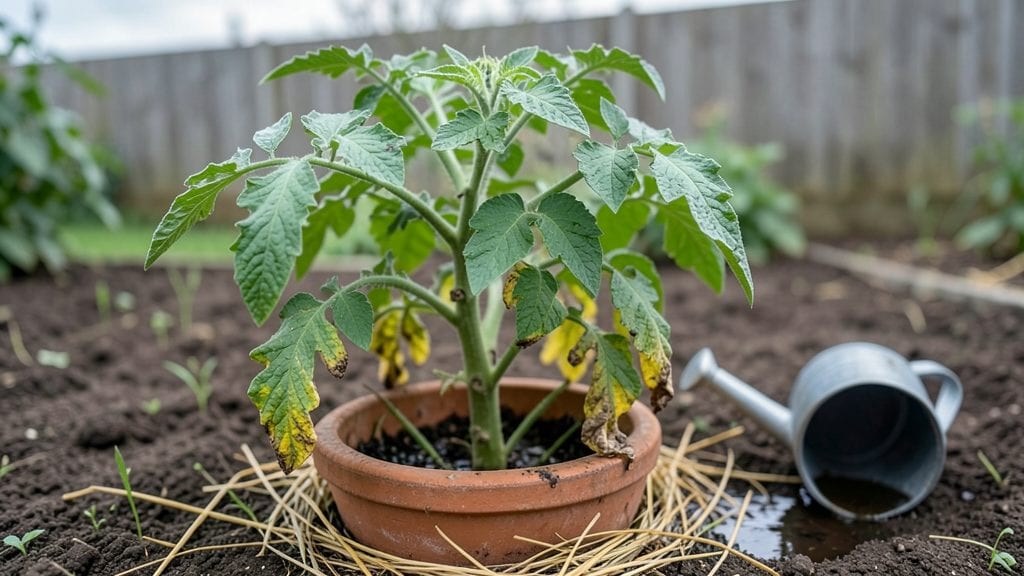
Those unsightly blisters on your plant stems aren’t just cosmetic—they’re a cry for help. 🌱 I’ve seen overwatered plant edema turn lush foliage into a swollen mess, but the good news?
Fixing it is simpler than you’d think. Most gardeners assume it’s a disease, but it’s actually a watering problem hiding in plain sight.
The culprit is too much moisture, which forces plant cells to expand beyond their limits. You’ll spot it as raised, corky bumps on stems or leaf undersides—common in ferns, impatiens, and begonia.
The fix starts with cutting back on water, improving drainage, and pruning affected areas to stop the spread. Trust me, your plants will thank you.
Within days of adjusting your routine, new growth will emerge smooth and healthy. The key is checking soil moisture with your finger before watering—if it’s still damp, wait. This method works for houseplants, containers, and garden beds alike, saving you from tossing out plants you love.
Prevention is easy once you know the signs: well-draining soil, proper pot size, and watering only when the top inch feels dry. I’ve kept my collection edema-free for years using these same rules—no guesswork, just consistent care. Let’s get those plants back to normal!
The Hidden Triggers Behind Swollen Spots
When your plant’s stems or leaves start looking like tiny water balloons, the culprit is almost always overwatering-induced edema. But why does this happen? The answer lies in how plants balance water intake, root pressure, and transpiration—especially when care goes awry.
Let’s break down the science behind the swelling and why your plant’s cells are essentially drowning in their own moisture.
Plants absorb water through their roots, but when soil stays soggy for too long, roots can’t process the influx fast enough. Here’s what goes wrong:
- Oxygen deprivation: Waterlogged soil cuts off oxygen, forcing roots to slow down water uptake. Without proper aeration, roots can’t regulate the flow, leading to excess water seeping into leaf tissues.
- Root pressure buildup: When roots absorb more water than they can transport, pressure mounts in the xylem (the plant’s water highways). This forces water into cells that aren’t designed to handle it—like a burst pipe.
- Weak root systems: Young plants or those recovering from stress (like repotting shock) have underdeveloped roots. Their limited capacity to manage water makes them highly susceptible to edema.
💡 Pro Tip: Test your soil’s drainage by filling a pot with water and timing how long it takes to drain. If it’s still damp after 2 hours, your plant’s roots are suffocating.
Edema thrives when a plant takes in more water than it can lose through transpiration (the process of water evaporating from leaves). Common scenarios that throw off this balance:
| Cause | Why It Matters |
|---|---|
| Low humidity | Dry air speeds up transpiration, but if roots are overwatered, the plant can’t keep up with the demand. Cells swell as water gets trapped. |
| Poor airflow | Stagnant air (like in crowded greenhouses or tightly sealed rooms) slows transpiration, making leaves retain excess moisture. |
| Night watering | Plants transpire less at night. Watering then means the plant absorbs but can’t release it, leading to edema by morning. |
✨ Actionable Fix: Water in the early morning when transpiration is at its peak. Avoid soggy soil by letting the top 1–2 inches dry out between waterings.
Edema often flares up when environmental conditions disrupt a plant’s natural water regulation. Here’s how:
- Cold roots, warm leaves: Cool temperatures slow root activity, while warm air increases transpiration. The mismatch forces water into leaf cells, causing swelling. (This is why edema is common in spring or fall.)
- Low light stress: Plants in dim conditions transpire less but may still absorb water if overwatered. The imbalance leads to waterlogging in leaves.
- Rapid temperature swings: Sudden drops (like moving a houseplant outdoors overnight) can shock the plant’s water transport system, triggering edema.
🌡️ Quick Check: If your plant is in a drafty spot or near a heater/AC vent, relocate it to a stable, moderate environment (ideally 65–75°F during the day).
Understanding these triggers is the first step to preventing edema. Next, we’ll dive into how to reverse the damage and restore your plant’s health—without the guesswork.
Fixing Swollen Plant Spots Fast
Edema in plants—those unsightly, swollen bumps on stems and leaves—can stress even the greenest thumbs. But don’t panic! With the right fixes, you can restore your plant’s health and prevent future outbreaks.
Below, we’ve mapped practical solutions to the most common causes, along with easy prevention tips to keep your plants thriving.
If your plant is drowning in moisture, the first step is cutting back on water. Edema thrives in soggy soil, so let’s fix that.
🔥 Step 1: Let the Soil Dry Out
- Stop watering immediately for 3–5 days to allow excess moisture to evaporate.
- Check soil moisture before watering: Stick your finger 1–2 inches deep—if it’s damp, wait another day.
- Use well-draining pots (terracotta or pots with drainage holes) to prevent waterlogging.
👨🍳 Step 2: Revise Your Watering Routine
- Water deeply but less frequently—plants like succulents and cacti need far less water than tropicals.
- Water in the morning (not at night) to reduce humidity around the plant.
- Use the "soak-and-dry" method: Water thoroughly until it drains from the bottom, then wait until the top inch of soil is dry before watering again.
🌡️ Pro Tip: Test Your Soil
If you’re unsure whether your soil holds too much water, mix in perlite or sand (10–20%) to improve drainage. Peat moss can also help retain moisture without suffocating roots.
Edema can also form when plants absorb more water than they can transpire (release through leaves). If your plant is in hot, direct sunlight, it may be struggling to process moisture efficiently.
🍳 Step 1: Move to Indirect Light
- Relocate your plant to a spot with bright, indirect light (east or north-facing windows are ideal).
- Avoid harsh afternoon sun, especially in summer—it increases evaporation and stress.
🥘 Step 2: Increase Airflow
- Use a small fan (on low) near the plant to improve transpiration without damaging leaves.
- Prune crowded foliage to allow better airflow around the plant.
✨ Pro Tip: Humidity Matters
If your home is very dry (common in winter with heating), mist leaves lightly or use a pebble tray with water to add humidity—but only if the plant isn’t already waterlogged.
Too much fertilizer (especially high in nitrogen or salts) can disrupt a plant’s ability to regulate water uptake, leading to edema.
🔪 Step 1: Flush the Soil
- Water the plant thoroughly for 10–15 minutes to leach out excess salts.
- Repeat 2–3 times over a week to fully cleanse the soil.
📊 Step 2: Switch to a Balanced Fertilizer
- Use a diluted, organic fertilizer (like fish emulsion or seaweed extract) at half strength.
- Feed less frequently—once every 4–6 weeks is often enough for houseplants.
💡 Pro Tip: Avoid "Quick Fix" Fertilizers
Slow-release granules or organic options are gentler than liquid fertilizers. If you’re unsure, skip fertilizer for a month while the plant recovers.
Once you’ve treated the edema, stop it from coming back with these habits:
- Know your plant’s needs: Research whether your plant prefers dry, moist, or humid conditions (e.g., snake plants vs. ferns).
- Check leaves regularly: Early edema spots look like small, translucent blisters—catch them before they spread!
- Use the right pot size: A pot that’s too large holds excess moisture; choose one that’s only slightly bigger than the root ball.
- Avoid cold drafts: Cold water or chilly air can shock roots, making them absorb water inefficiently.
Final Thought: Edema is usually a sign your plant is confused—too much water or too little airflow. By adjusting one (or two) of these factors, you’ll see improvement in 1–2 weeks.
And remember: prevention is easier than cure—once your plant’s back in balance, stick to a consistent care routine!
Frequently asked questions about plant edema
What do swollen plant spots actually look like?
Edema appears as small, raised, translucent blisters on leaf undersides or stems—often clear or pale green at first, then turning brown and corky. Think of them like tiny water-filled blisters on your skin. They’re most noticeable on ferns, impatiens, and begonias, and usually appear near leaf veins.
Is plant edema contagious or harmful to other plants?
No, edema isn’t contagious—it’s purely a water-related stress response. However, the conditions causing it (like poor drainage) can affect nearby plants. Isolate affected plants temporarily while you adjust their care, then reintroduce them once they’ve recovered to prevent secondary stress.
Can I prune off edema spots to save my plant?
Yes! Use clean, sharp scissors to trim affected leaves and stems just above the swollen areas. This stops the spread and helps the plant redirect energy to healthy growth. For severe cases, prune back by 1/3 to encourage new, edema-free foliage—just avoid cutting into healthy tissue.
Why does my plant get edema even though I water it sparingly?
Edema often appears when roots absorb more water than the plant can transpire (release through leaves). Common triggers include low humidity, poor airflow, or sudden temperature changes. Check your plant’s environment—if it’s in a sealed room or near drafts, relocate it to a stable spot with better circulation.
Will my plant recover completely from edema?
Most plants bounce back within 2–4 weeks if you adjust their care! New growth will emerge smooth and healthy once you fix the root cause (literally and figuratively). However, severely damaged stems may not recover—focus on preventing further spread by improving drainage and airflow.