
Watering
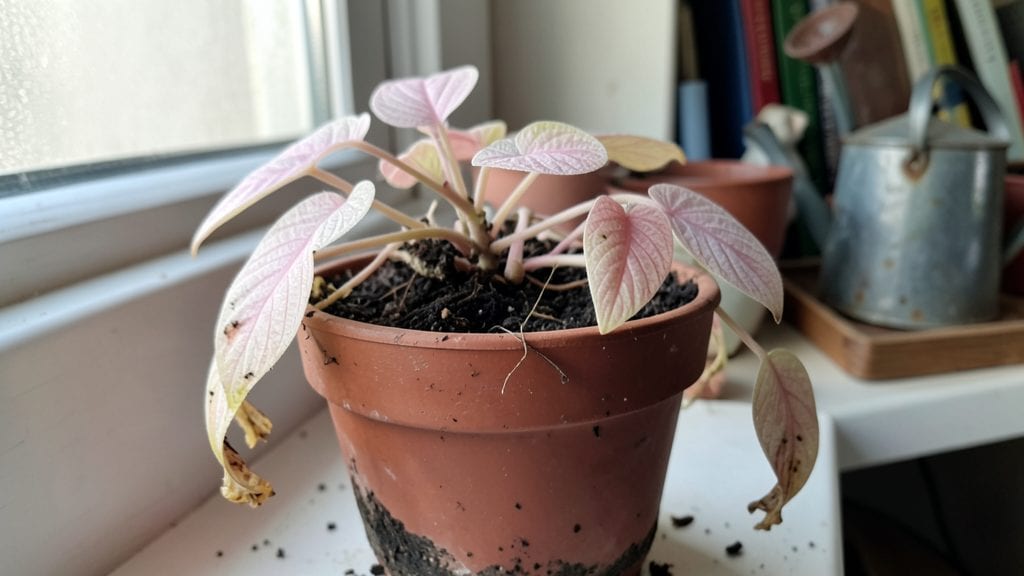
Overwatered nerve plants look like sad, droopy ghosts—yellow leaves, mushy stems, and roots that smell like swamp water. 🌱 I’ve nursed more than my share back to life, and the fix is simpler than you’d think.
The key is stopping the water torture immediately and giving those roots a chance to breathe.
First, pull the plant out and inspect the roots—if they’re black and squishy, you’ve got root rot. Trim the bad bits with clean scissors, then repot in fresh, well-draining mix (cactus or succulent soil works great). Place it somewhere bright but indirect, like a sunny windowsill away from the glass.
Within 48 hours, you’ll see the difference: leaves perking up, stems firming, and that classic nerve plant vibrancy returning. The secret? Water only when the top inch of soil is bone-dry, and use a pot with drainage holes—no excuses. This plant thrives on neglect, not love.
Prevention is easy once you know the signs: wrinkled leaves mean thirst, but yellowing means drowning. Stick your finger in the soil before watering—if it’s damp, wait. Trust me, your nerve plant will thank you with glossy, upright leaves for years.
Root Causes Of Water Overload
When your fittonia (commonly called the nerve plant) starts looking sad with droopy, yellowing leaves, it’s often a sign of water stress—specifically, overwatering. But why does this happen? The issue usually stems from a mix of environmental factors, human habits, and the plant’s natural needs.
Let’s break down the key reasons your nerve plant might be drowning in its own pot.
One of the most common culprits is stagnant water in the soil. Nerve plants thrive in well-draining conditions, but many gardeners unknowingly trap moisture in their pots. Here’s how it happens:
- Compacted or heavy soil: If your potting mix is too dense (like garden soil or clay-heavy blends), water doesn’t escape easily. Nerve plants prefer airy, peat-based mixes with perlite or orchid bark for porosity.
- No drainage holes: Pots without holes act like bowls, holding water at the roots. Even "breathable" fabric pots can trap excess moisture if not paired with the right soil.
- Overzealous watering: Giving your plant a drink every time the topsoil feels slightly damp (instead of dry) leads to anaerobic conditions, where roots suffocate from lack of oxygen.
💡 Pro Tip: Test your soil’s drainage by filling a spare pot with the same mix, adding water, and timing how long it takes to drain. If it’s slower than 10–15 minutes, amend with coarse sand or orchid bark.
Nerve plants are tropical natives, so they love high humidity (60–80%). But if your home’s air is dry (common in winter or air-conditioned spaces), the plant transpires more—losing water faster than the soil can dry. This can trick you into overwatering to "compensate." Here’s the science:
- Evaporative stress: Dry air pulls moisture from leaves and soil, speeding up evaporation. Without adjusting watering, roots stay soggy longer.
- Cold drafts + moisture: If your plant sits near a window with cold air (e.g., AC vents), the temperature drop slows root activity, making them less efficient at processing water.
- Terracotta pots vs. plastic: Terracotta wicks moisture from the soil, drying it out faster—but if you overwater to "keep it moist," the roots never dry between waterings.
🌡️ Fix It: Increase humidity with a pebble tray or humidifier, or move the plant away from drafts. Water less frequently if humidity rises above 70%.
Most plant owners water on a schedule (e.g., every Wednesday), but nerve plants need a soil-based approach. Overwatering often happens when:
- You water "just in case": Checking soil moisture with your finger (1–2 inches deep) is critical. If it’s damp, wait. If it’s bone-dry, you’ve likely underwatered before.
- Seasonal changes: Winter slows root growth, so the plant needs 30–50% less water than in spring/summer. Yet many water the same amount year-round.
- Pot size shock: Repotting into a larger container without adjusting your watering routine means more soil stays wet for weeks instead of days.
⏰ Actionable Rule: Stick your finger in the soil—if it feels like a wrung-out sponge, water. If it’s damp like a damp paper towel, wait 2–3 more days.
Not all soil is created equal. Nerve plants despise water-retentive mixes like those for ferns or succulents. Common mistakes:
- Too much peat or coconut coir: While these hold moisture, they can stay anaerobic (oxygen-deprived) if not balanced with 30–50% perlite or bark.
- Lack of organic matter: Pure mineral mixes (like cactus soil) don’t buffer pH or provide microbes to break down excess salts from tap water.
- Old, compacted soil: Soil breaks down over time, losing its air pockets. Repot every 12–18 months with fresh mix.
🔄 Ideal Mix Recipe:
50%
Peat moss or coconut coir
30%
Perlite or pumice (for aeration)
20%
Orchid bark or charcoal (for drainage + microbial life)
How to Revive Your Drooping Plant
Reviving an overwatered nerve plant (or Fittonia) starts with quick action and a few simple adjustments. Since soggy roots and yellowing leaves are the main culprits, focus on draining excess moisture, supporting root health, and reestablishing balance.
Below, we break down the fixes by cause—so you can target the issue and prevent future mishaps.
Problem: Overwatering creates anaerobic conditions, suffocating roots and accelerating rot. Fix:
- Pause watering for 3–5 days to let the soil dry out. This gives roots a chance to recover.
- If the soil feels squishy or smells sour, it’s a red flag—wait even longer.
- Pro Tip: Stick your finger 1–2 inches deep into the soil. If it’s damp, hold off. If it’s bone-dry, a light misting (not soaking) may help.
Problem: Compacted or rotting roots can’t absorb nutrients, even if you stop watering. Fix:
- Gently remove the plant from its pot, shaking off excess soil to check roots.
- Trim black, mushy, or slimy roots with sterilized scissors (wipe with rubbing alcohol).
- Rinse healthy roots briefly in room-temperature water to remove old soil.
- ⚠️ Warning: Avoid cold water—it shocks the plant!
Prevention Tip: Use a well-draining mix (50% peat/perlite + 50% orchid bark) to avoid future root suffocation.
Problem: Old, waterlogged soil harbors fungi and bacteria that re-infect roots. Fix:
- Choose a pot with drainage holes (terracotta is ideal—it breathes!).
- Use a fast-draining mix (avoid heavy garden soil). A chunky, airy blend works best.
- Repot at the same depth—burying the stem encourages rot.
- Water lightly only after 2–3 days, then wait until the top 1 inch of soil is dry before watering again.
💡 Pro Tip: Add a thin layer of charcoal (like activated charcoal) to the soil to prevent bacterial growth.
Problem: Overwatered plants often struggle in low light + high humidity, slowing recovery. Fix:
- Move to bright, indirect light (east or north-facing windows). Avoid harsh sun, which stresses weak plants.
- Reduce humidity temporarily (aim for 40–50%). Use a small fan on low if your space is too damp.
- Mist leaves lightly only if they feel crispy—but avoid soggy conditions.
✨ Prevention: A humidity tray with pebbles (not waterlogged) can help regulate moisture without overdoing it.
Signs of Improvement (by Day 2): ✅ Leaves perk up slightly (though full recovery takes 1–2 weeks). ✅ No new yellowing or wilting. ✅ Soil feels light and dry at the surface.
If No Progress After 48 Hours:
- Check for pests (like fungus gnats or mealybugs)—treat with neem oil if needed.
- Consider bottom-watering (place the pot in 1 inch of water for 10 mins, then drain). This prevents soil compaction.
🎯 Long-Term Prevention:
- Water every 7–10 days (less in winter).
- Use the "finger test"—never on a schedule.
- Rotate the pot weekly for even light exposure.
Remember: Patience is key! Nerve plants are resilient—with the right care, they’ll bounce back with vibrant veins and lush growth in no time. 🌿✨
Frequently asked questions about reviving an overwatered nerve plant
How do I tell if my nerve plant is overwatered vs. underwatered?
Check the leaves and soil: overwatered plants have yellowing leaves, mushy stems, and soil that smells sour or stays damp for days. Underwatered plants show crispy, brown edges and soil that pulls away from the pot edges. Stick your finger 1–2 inches deep—if it's bone-dry, you're underwatering. If damp, you're overdoing it.
Can I save a nerve plant with completely black, mushy roots?
Yes, but act fast! Trim all black/mushy roots with sterilized scissors, then repot in fresh, well-draining soil. Skip watering for 3–5 days to let roots recover. If >50% of roots are gone, propagation from healthy stems may be needed. Patience is key—roots regrow in 2–3 weeks with proper care.
Why does my nerve plant keep getting overwatered even after I stop?
Three likely causes: poor drainage (no pot holes or heavy soil), high humidity (tricks you into watering too soon), or plastic pots that trap moisture. Switch to terracotta with drainage holes and test soil moisture with your finger before watering. A pebble tray can also help regulate humidity without overwatering.
How often should I water a recovered nerve plant?
After recovery, water only when the top 1 inch of soil is completely dry—typically every 7–10 days in summer, 10–14 days in winter. Use the "finger test" and avoid schedules. Mature plants in bright, indirect light need less frequent watering than those in low light. Adjust based on your home's humidity levels.
Will my nerve plant's leaves ever look normal again after overwatering?
Yes! New growth will emerge with vibrant veins within 2–4 weeks if roots are healthy. Damaged leaves won't recover, but the plant will produce fresh foliage. Focus on preventing future overwatering by using well-draining soil and proper pots. With consistent care, your nerve plant will regain its signature colorful patterns.