
Watering
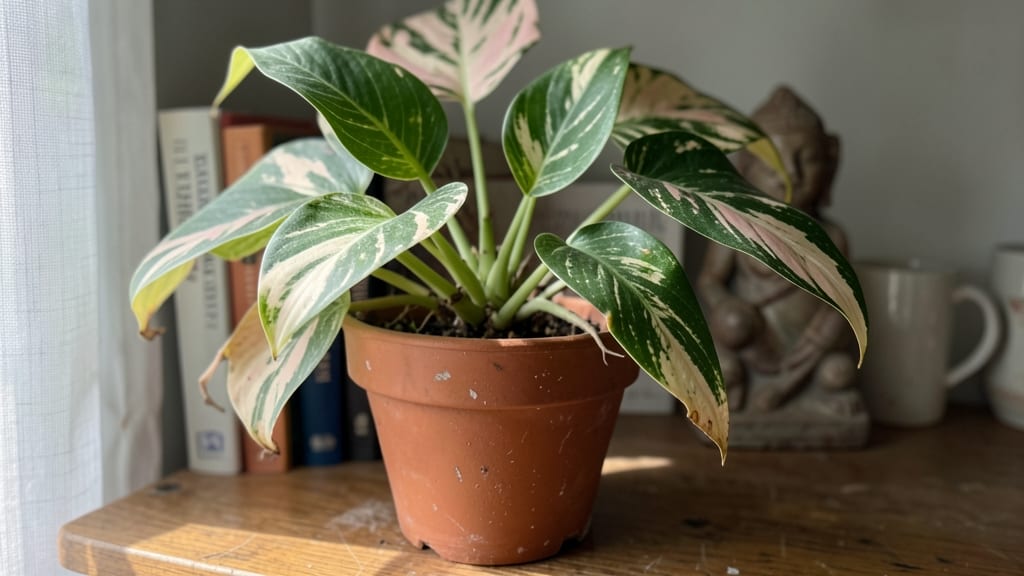
An overwatered arrowhead plant with those pitiful, droopy leaves isn’t dying—it’s just begging for a little TLC. 🌱 I’ve saved countless soggy Syngoniums, and the cure boils down to three simple steps that’ll have it thriving again. before it spreads.
The key is acting fast: those mushy stems and yellowing fronds? That’s your plant begging for drier soil and better airflow.
Most people overwater because they’re afraid of underwatering, but arrowheads hate soggy roots. Start by letting the top 2 inches of soil dry out completely between waterings—stick your finger in to check. If the soil feels damp past your first knuckle, hold off.
Then, repot into fresh, well-draining mix if the roots smell funky or look black and mushy. Prune any squishy stems at the base with clean scissors, and watch for new growth within 2-3 weeks.
What you’ll end up with is a plant that’s lush, upright, and vibrant again—no more sad, limp leaves or brown patches. The before-and-after difference is shocking: one week of proper care turns a dying arrowhead into a thriving statement piece.
Just keep that soil slightly dry, and you’ll avoid this mess entirely next time.
Works for both potted plants and those growing in hanging baskets—just adjust the pot size to match the plant’s maturity. Here’s how to keep it happy long-term without guessing.
Common Causes Of Too Much Water
When your arrowhead plant (Syngonium podophyllum) starts looking sad—yellow leaves, mushy stems, or even root rot—it’s often a sign of overwatering. But why does this happen? The issue usually stems from a mix of environmental factors, human habits, and the plant’s natural needs.
Let’s break down the most common culprits and why they lead to soggy soil and stressed roots.
One of the biggest mistakes plant parents make is watering on a schedule rather than by need. Arrowhead plants thrive in well-draining soil and can’t tolerate sitting in wet conditions for long.
If you water every few days—regardless of humidity, light, or season—you’re likely drowning the roots instead of hydrating them.
- Why it happens: Plants don’t follow your calendar. A strict watering routine ignores factors like temperature, airflow, and soil moisture levels. Even if your plant looks dry, the roots may still be suffocating in compacted, waterlogged soil.
- Actionable fix: Stick your finger 1-2 inches into the soil. If it’s damp, wait. If it’s bone-dry, water thoroughly—then let excess drain completely. 💡 Pro Tip: Use a moisture meter for precision!
Arrowhead plants are tropical but hate soggy feet. If your pot lacks drainage holes or your soil is too dense (like heavy garden soil or pure peat), water pools at the bottom instead of draining away.
Over time, this creates the perfect breeding ground for root rot—a fungal infection that chokes the roots.
- Why it happens:
- No drainage holes = water sits stagnant.
- Clay or compacted soil = poor aeration, trapping moisture.
- Over-potting = excess soil holds more water without drying out.
- Actionable fix:
- Repot in a container with drainage holes and use a fast-draining mix (e.g., 50% potting soil + 50% perlite/pumice).
- Avoid garden soil—it’s too dense. ✨ Bonus: Add orchid bark for extra airflow!
Arrowhead plants love humidity but struggle when conditions change abruptly. High humidity (like in a bathroom) + cool temps = slower evaporation, meaning soil stays wet longer. Conversely, dry air + heat can trick you into overwatering to "compensate." Either way, the roots suffer.
- Why it happens:
- Low light + high humidity = soil stays damp too long.
- Central AC or drafts = uneven drying, leading to patchy rot.
- Seasonal shifts (e.g., winter cooling) slow root activity, making them more susceptible to rot.
- Actionable fix:
- Move your plant to bright, indirect light (e.g., near a north or east window).
- Use a hygrometer to monitor humidity—aim for 40-60%. Mist lightly if air is dry, but avoid soggy leaves.
- In winter, reduce watering by 30-50% since growth slows.
Big pots = more soil = more water retention. If your arrowhead plant is crammed into a container that’s too large for its root system, the excess soil stays wet for weeks, inviting rot.
Conversely, a pot that’s too small can dry out roots—but if you overwater to "help," you’re just making it worse.
- Why it happens:
- Roots can’t absorb water fast enough in oversized pots, leading to waterlogging.
- Plastic pots (without drainage) trap moisture longer than terracotta.
- Repotting too late = roots become root-bound and suffocate in compacted soil.
- Actionable fix:
- Choose a pot 1-2 inches larger in diameter than the root ball.
- Upgrade to terracotta or fabric pots for better breathability.
- If repotting, 🔥 Trim 20% of the roots to encourage fresh growth and prevent shock.
Most overwatering issues boil down to one or more of these factors. The good news? Once you identify the root cause (pun intended), fixing it is straightforward. Next, we’ll cover how to revive your arrowhead plant in 3 simple steps—no guesswork required!
Revive Your Arrowhead Plant Now
Your arrowhead plant (Syngonium podophyllum) is drooping, yellowing, or worse—sitting in soggy soil like a soggy sponge. Don’t panic! With the right care, you can nurse it back to health and prevent future waterlogging woes.
Below, we break down cause-specific fixes and prevention tips to get your plant thriving again in no time.
Cause: Overwatering leads to oxygen deprivation in roots, causing yellowing, mushy stems, or blackened roots. How to Fix:
- 🔥 Emergency Drainage
- Gently remove the plant from its pot and inspect the roots. Snip off any black, mushy, or slimy roots with sterilized scissors (🔪).
- Rinse the remaining roots under lukewarm water to remove excess soil and debris.
- 🍳 Repotting in Fresh Soil
- Choose a well-draining mix: Combine potting soil with perlite or orchid bark (50/50 ratio) to improve aeration.
- Repot the plant in a clean container with drainage holes—terracotta pots are ideal for faster evaporation.
- Water lightly only after 2–3 days to let roots acclimate.
- ⏰ Recovery Care
- Place the plant in bright, indirect light (no direct sun yet—it’s still weak!).
- Wait 7–10 days before watering again. Stick your finger 1–2 inches into the soil—if it’s dry, water sparingly.
💡 Pro Tip: If repotting isn’t an option, top-dress with dry sphagnum moss to absorb excess moisture while letting roots breathe.
Cause: Overwatering stresses the plant, causing leaves to wilt or curl as it struggles to absorb nutrients. How to Fix:
- 👨🍳 Let It Dry Out
- Stop watering immediately and move the plant to a warmer, shaded spot (65–75°F is ideal).
- Check soil moisture daily—if the top 1–2 inches feel damp, wait another day.
- 🌡️ Humidity Boost (If Needed)
- Mist the leaves lightly (avoid soggy centers) or place a pebble tray with water nearby to raise humidity.
- Avoid placing the plant on a tray with standing water—this can worsen root issues.
- 🎯 Gradual Reintroduction to Water
- After 5–7 days, resume watering only when the top 50% of soil is dry.
- Use the "finger test" to avoid overdoing it—soil should feel dry but not bone-dry.
✨ Prevention Tip: Group plants together to create a microclimate with natural humidity, reducing the need for frequent watering.
Cause: Chronic overwatering starves roots of oxygen, halting growth and nutrient uptake. How to Fix:
- 🔪 Root Pruning & Soil Refresh
- Trim 1/3 of the roots if they’re circling or overly dense. Healthy roots should be white or pale yellow.
- Replace old soil with a moisture-wicking mix (add coconut coir or charcoal for extra drainage).
- 🍽️ Fertilizer Reset
- Wait 4–6 weeks before fertilizing—overwatered plants can’t process nutrients well.
- Use a balanced, diluted liquid fertilizer (half-strength) once recovery is visible.
- 🌿 Light & Airflow Adjustments
- Move the plant to bright, indirect light (east or north-facing windows are perfect).
- Improve airflow with a small fan on low (2–3 hours daily) to prevent fungal issues.
💡 Pro Tip: Arrowhead plants thrive in humidity but hate soggy feet—aim for 40–60% humidity and well-draining pots to keep them happy long-term.
To keep your arrowhead plant happy and hydrated (but not drowned), follow these easy habits:
- ⏳ Watering Schedule: Every 7–10 days in spring/summer; every 10–14 days in fall/winter.
- 📏 Pot Size: Use a pot only 1–2 inches larger than the root ball—bigger pots = more moisture retention.
- 🌧️ Rainy Days: Move potted plants under cover or cover with a plastic bag to prevent excess water.
- 🔍 Soil Check: Always test soil moisture before watering—stick your finger in!
- 🌿 Prune Regularly: Trim yellow or damaged leaves to redirect energy to new growth.
Remember: Arrowhead plants are forgiving—with the right adjustments, they’ll bounce back faster than you think! 🌿💚 Start with one fix, monitor progress, and soon you’ll have a lush, vibrant plant that’s the star of your space.
Frequently asked questions
Why do my arrowhead plant's leaves turn yellow when overwatered?
Yellowing leaves are your arrowhead's SOS signal for soggy roots. Overwatering suffocates roots by cutting off oxygen, forcing the plant to shed leaves to conserve energy. Check the soil—if it stays damp for more than 2-3 days, you're overdoing it. The fix? Let the top 2 inches dry completely before watering again.
Can I save an arrowhead plant with mushy stems from overwatering?
Yes! The key is acting fast. First, remove the plant from its pot and trim all mushy stems with clean scissors. Repot in fresh, well-draining soil with perlite, then place in bright indirect light. Water only when the soil is completely dry—you'll see new growth within 2-4 weeks if the roots aren't completely rotted.
How often should I water my arrowhead plant after fixing overwatering?
Start with a 10-14 day watering schedule in spring/summer, checking soil moisture first. In winter, space waterings to every 3-4 weeks since growth slows. Always water until it drains from the bottom, then empty the saucer—arrowheads hate sitting in water. Use your finger as a guide: if the top 1 inch feels dry, it's time.
What's the best soil mix to prevent overwatering arrowhead plants?
Create a 50/50 mix of peat-based potting soil and perlite or orchid bark. This combination improves drainage while retaining just enough moisture. For extra insurance, add a handful of charcoal to prevent fungal issues. Avoid garden soil—it compacts and holds too much water, keeping roots soggy.
Will my arrowhead plant recover if I've been overwatering for months?
It depends on root health. If only the leaves are affected but roots are firm and white, recovery is possible with proper care. However, if roots are black, mushy, and smelly, the plant may not survive. In severe cases, propagate healthy stems in fresh soil—you might get new growth from the cuttings while the main plant recovers.