
Companion Plants
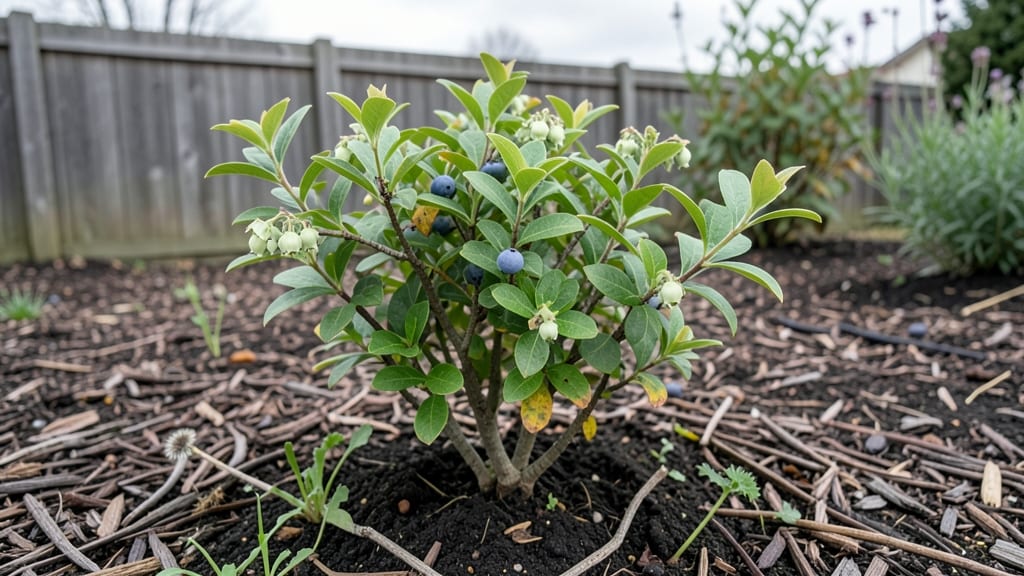
Growing northern blueberry plants in your yard means waking up to bushes heavy with sweet, juicy berries every summer. 🌿 I’ve learned the hard way that these shrubs aren’t fussy—they just need the right soil, sunlight, and a little TLC to reward you with pounds of fruit.
The key isn’t complicated: acidic soil, consistent moisture, and smart pruning make all the difference between a handful of berries and a harvest that puts your neighbors to shame.
You’ll need a spot with full sun—at least 6 to 8 hours daily—and soil that tests between 4.5 and 5.5 pH. Most garden soil is too alkaline, so you’ll likely need to amend it with peat moss or sulfur before planting.
Once established, these shrubs are drought-tolerant but produce best with 1 to 1.5 inches of water per week, especially during fruit set. Mulching helps retain moisture and keeps roots cool.
By late summer, you’ll be picking berries that burst with flavor, far sweeter than store-bought. The bushes also stay compact—3 to 5 feet tall—so they fit neatly into small yards or foundation plantings.
Just watch for birds and prune out dead wood in early spring to keep the plant productive for decades. It’s the kind of harvest that makes gardening feel like a well-kept secret.
Cold-hardy varieties like ‘Bluecrop’ or ‘Patriot’ handle winters down to -20°F, but young plants need a little protection in their first few years. A thick layer of mulch or a frost cloth in extreme cold keeps roots safe.
The payoff? A blueberry bush can produce fruit for 30 years or more—that’s a legacy in every sense of the word.
📚 In This Guide
- What you need
- Instructions
- Tips and common mistakes
- Wrapping up and next steps
What you need
- ● Northern blueberry plants: 3–5 Vaccinium angustifolium (lowbush) or Vaccinium corymbosum (highbush) varieties (check local nurseries for cold-hardy types).
- ● Well-draining soil: Acidic peat moss, pine bark fines, or a composted pine needle mix (pH 4.5–5.5). Aim for 1–2 cubic yards per 100 sq. ft. of planting area.
- ● Organic mulch: 3–4 inches of pine straw, wood chips, or sphagnum peat to retain moisture and acidity.
- ● Slow-release fertilizer: 10-10-10 or 12-12-17 (low in phosphorus) or an acid-loving plant formula (follow label rates).
- ● Amendments: Sulfur (to lower pH if needed) and cottonseed meal (for nitrogen).
- ● Garden gloves (nitrile-coated for durability).
- ● Pruning shears (sterilized with rubbing alcohol).
- ● Garden trowel or spade (for digging holes 12–18 inches wide/deep).
- ● pH testing kit (digital or liquid test strips).
- ● Watering can or hose with a soaker nozzle (avoid overhead watering).
- ○ Drip irrigation system (optional) for consistent moisture.
- ● Sunlight: Full sun (6+ hours/day) in well-drained, acidic soil.
- ● Spacing: 3–6 feet apart (highbush) or 2–3 feet apart (lowbush) for airflow.
- ● Climate: USDA Zones 3–7 (northern blueberries tolerate cold!).
- ○ Companion plants (optional): Borage, thyme, or ferns (avoid competitive roots like grasses).
Step-by-Step instructions for planting northern blueberry shrubs
Here's the foolproof method I use to establish healthy, productive blueberry bushes that bear fruit for decades.
🌱 Step 1: Prepare the Planting Site for Acidic Soil
Northern blueberries demand soil with a pH between 4.5 and 5.5—test your soil first using a reliable kit. If your current pH is above 6.0, you'll need to amend the area with 2-3 pounds of sulfur per 100 square feet mixed into the top 12 inches of soil. I spread it evenly and water it in thoroughly before planting.
Blueberries also thrive in well-draining soil. Work in 2-3 inches of compost and 1 cup of peat moss per planting hole to improve texture and acidity. The reason we avoid garden soil is that it's often alkaline and compacted—blueberry roots need loose, airy conditions to spread properly. Dig holes twice as wide as the root ball but only as deep as the container's bottom.
🪴 Step 2: Plant Blueberry Shrubs at the Right Depth and Spacing
Remove the plant from its container and loosen any circling roots with your fingers—this encourages outward growth. Place the bush in the hole so the top of the root ball sits 1 inch above soil level. Blueberries hate having their crown buried, which causes rot and poor establishment.
Space plants 5-6 feet apart in rows 8-10 feet apart to allow for proper airflow and future shrub growth. If planting multiple bushes, I always stagger them in a grid pattern for even sunlight exposure. Backfill the hole with the amended soil, pressing gently around the roots to remove air pockets. Water deeply right after planting to settle the soil.
☀️ Step 3: Provide Full Sun and Consistent Moisture
Northern blueberries require 6-8 hours of direct sunlight daily—choose a location that gets morning sun and afternoon shade if your summers are extremely hot. I place a 2-3 inch layer of pine bark mulch around each plant (but not touching the stem) to retain moisture and slowly acidify the soil over time.
Water deeply 2-3 times per week during the first growing season, keeping the soil evenly moist but not soggy. You'll know it's right when the top 2 inches of soil feel damp to the touch. Overwatering causes root rot, while underwatering stresses the plant during establishment. A drip irrigation system works best to deliver water directly to the roots without wetting the foliage.
✂️ Step 4: Prune and Fertilize for First-Year Establishment
In late winter or early spring, cut back any dead or crossing branches to open the center of the plant. I also remove any suckers growing below the graft union if you're working with a named cultivar. Blueberries produce better fruit when they have good airflow and sunlight penetration.
Apply a slow-release, acid-loving plant fertilizer (like one formulated for blueberries or azaleas) in early spring and again in midsummer. I use about 1/4 pound per plant for the first year, following the package instructions carefully. Avoid high-nitrogen fertilizers—they promote leafy growth at the expense of fruit production. Monitor the plants for signs of stress like yellowing leaves or stunted growth, which often indicate pH or nutrient issues.
Tips & tricks for perfect northern blueberry planting
Between us, establishing blueberry bushes that thrive for decades starts with these key details nobody mentions upfront.
Soil pH Precision: That 4.5-5.5 pH range is non-negotiable, but testing is only half the battle. I've seen gardeners add sulfur and still get poor results because they didn't water it in thoroughly. Spread the 2-3 pounds of sulfur per 100 square feet evenly, then give it a deep watering that penetrates 12 inches deep—this activates the sulfur properly. Think of it like mixing baking soda into a cake batter: you need to incorporate it completely for it to work.
Root Ball Technique: When loosening circling roots in Step 2, don't just pull at them—gently separate them with your fingers like you're untangling headphones. The goal is to encourage outward growth, not damage the roots further. I also recommend soaking the root ball in water for 10-15 minutes before planting if the soil feels particularly dry. This gives the roots a head start on hydration right when they need it most.
Mulch Strategy: That 2-3 inch layer of pine bark mulch isn't just for looks—it's a slow-release acidifier. I use only pine bark because it breaks down gradually and maintains that crucial soil acidity. Keep it 2-3 inches away from the stem to prevent rot, and refresh it annually in spring. Pro tip: Mix in a handful of sulfur granules with the mulch for an extra acidity boost during the first year.
Watering Wisdom: The 2-3 times per week guideline assumes average rainfall. In my experience with northern climates, I actually water every other day during the first growing season if we haven't had recent rain. The key is that top 2 inches of soil—stick your finger in and feel for dampness. If it's dry at that depth, water deeply until it runs out the bottom of the hole. Overwatering is just as deadly as underwatering for these acid-loving shrubs.
Pro Tips for Northern Blueberry Plants
- Between us, establishing blueberry bushes that thrive for decades starts with these key details nobody mentions upfront.
- Soil pH Precision: That 4.5-5.5 pH range is non-negotiable, but testing is only half the battle.
- Root Ball Technique: When loosening circling roots in Step 2, don't just pull at them—gently separate them with your fingers like you're untangling headphones.
Frequently asked questions
What’s the best soil pH for northern blueberries?
Northern blueberries love acidic soil—aim for a pH between 4.5 and 5.5. Test your soil with a kit, and amend with sulfur or peat moss if it’s too alkaline. Pro tip: Avoid lime (it raises pH) and opt for organic matter like pine needles or composted leaves instead!
When is the best time to plant northern blueberry bushes?
Plant in early spring or fall (4–6 weeks before frost) for the best root establishment. Avoid summer heat stress! If buying bare-root plants, soak roots in water for 2–3 hours before planting. Bonus: Mulch with pine straw to retain moisture and acidity.
Can I grow northern blueberries in containers?
Use a large pot (at least 18–24 inches deep) with acidic potting mix (like a blueberry-specific blend). Add sphagnum peat moss and ensure drainage holes. Container hack: Fertilize with an acid-loving plant food every 4–6 weeks during growing season.
Why aren’t my northern blueberries producing fruit?
Common culprits: poor pollination (plant 2+ bushes), wrong soil pH, or over-fertilizing with nitrogen (which boosts leaves, not fruit). Check for bird damage too! Fix it: Hand-pollinate with a paintbrush if bees are scarce, and switch to a balanced 10-10-10 fertilizer in late winter.
What companion plants pair well with northern blueberries?
Blueberries thrive with low-competition, acid-loving pals like:
- Comfrey (improves soil)
- Thyme or oregano (repels pests)
- Ferns (shade-tolerant ground cover)
- Avoid: Rhododendrons (compete for nutrients) or grass (raises pH).
Do northern blueberries need winter protection?
Most varieties handle USDA Zones 3–7, but young plants or southern climates may need help. Mulch heavily (4–6 inches) with straw or leaves after the ground freezes. Avoid: Piling mulch against stems—keep it 2–3 inches away to prevent rot.
Wrapping up and next steps
Growing northern blueberry plants is a rewarding journey that brings sweet, antioxidant-rich berries to your table while enhancing your garden’s beauty. With the right soil prep, sunlight, and companion plants, these acid-loving shrubs can thrive—even in cooler climates.
Whether you’re a seasoned gardener or just starting, their resilience and delicious yield make them a must-have addition.
Ready to get started? Pick your spot, amend that soil, and plant with confidence! 🌱 Your future blueberry harvests will thank you.